
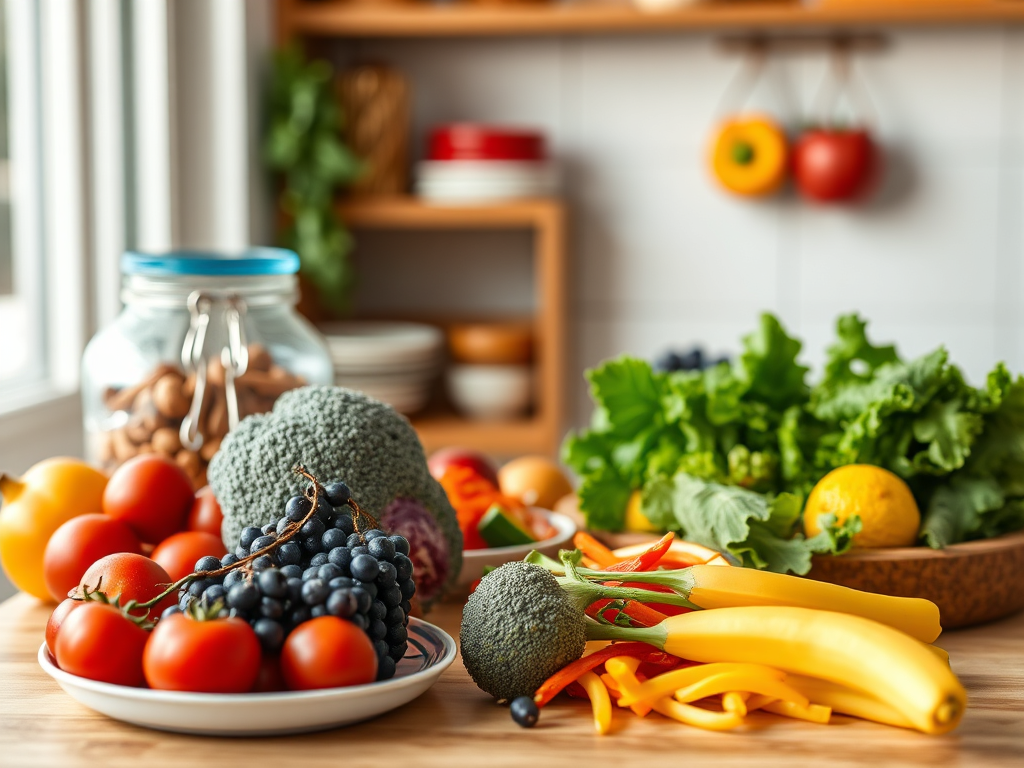
Integrating superfoods into family meals requires careful consideration of nutritional balance, dietary preferences, and meal preparation methods. Focus on incorporating a variety of superfoods, such as quinoa, kale, and blueberries, to enhance overall nutrition while ensuring meals remain appealing to all family members. Be mindful of potential allergies, and gradually introduce new ingredients to avoid resistance. Planning meals with these factors in mind helps create nutritious, enjoyable dishes that support family health.
Understanding Superfoods and Their Benefits
Superfoods are nutrient-rich foods considered to be particularly beneficial for health and well-being. Common examples include foods like kale, chia seeds, blueberries, and quinoa, which are packed with vitamins, minerals, antioxidants, and healthy fats. Understanding what makes a food a superfood is essential when integrating them into family meals, as they often provide concentrated health benefits that can help support overall nutrition.
When considering superfoods, it’s important to note that they can offer various health benefits, such as improved digestion, enhanced immune function, and better heart health. However, the term ‘superfood’ can sometimes be misleading, as it does not imply that these foods are a cure-all. They should complement a balanced diet rather than replace other essential food groups. Educating oneself about the specific benefits of different superfoods can help in making informed choices about which ones to include in family meals.
Assessing Family Preferences and Dietary Needs
Integrating superfoods into family meals should take into account the preferences and dietary restrictions of family members. Each person may have different tastes, allergies, or intolerances that affect their ability to enjoy certain foods. For example, while one child might love spinach, another might refuse to eat it. Thus, understanding these preferences is crucial for successful integration.
Additionally, dietary needs can vary significantly. Families with members who have specific health concerns, such as gluten intolerance or nut allergies, must be cautious about which superfoods to incorporate. It’s beneficial to engage family members in discussions about their likes and dislikes, and to explore various recipes that utilize superfoods in ways that appeal to everyone. This approach not only fosters a sense of inclusion but also encourages healthier eating habits.
Practical Ways to Incorporate Superfoods
Once you have a grasp of the family’s preferences and dietary needs, the next step is to find practical ways to incorporate superfoods into meals. Here are some effective strategies:
- Smoothies: A great way to sneak in superfoods like spinach, kale, or acai berries. Blending these with fruits can mask their flavors while still providing nutritional benefits.
- Snacks: Use superfoods like chia seeds or nuts in energy bars or snacks. Homemade granola bars can include oats, honey, and superfood ingredients for a nutritious treat.
- Substitutions: Replace regular grains with quinoa or farro in meals. These grains are not only more nutritious but also add interesting textures to dishes.
- Salads: Add superfoods such as avocados, nuts, and berries to salads for a health boost. Mixing different textures and flavors can make salads more appealing to kids.
It’s important to introduce superfoods gradually. Start with small amounts to gauge the family’s reactions and adjust accordingly. Making meals colorful and visually appealing can also help in making superfoods more enticing.
Monitoring Reactions and Making Adjustments
After integrating superfoods into family meals, it’s essential to monitor how family members respond to these changes. Pay attention to both their physical reactions and their willingness to try new foods. Some children may initially resist new ingredients, while others might embrace them enthusiastically. Keeping an open dialogue about food preferences and experiences can help in making necessary adjustments.
In cases where a superfood does not go over well, consider different preparation methods or combinations. For instance, if kale is met with resistance, try sautéing it with garlic and olive oil, or blend it into a smoothie where its flavor is less pronounced. The goal is to create a positive eating experience that encourages a balanced diet.
Frequently Asked Questions
What are some examples of superfoods?
Examples of superfoods include blueberries, quinoa, kale, chia seeds, and salmon, all known for their high nutrient density.
How can I introduce superfoods to picky eaters?
Start with small amounts in familiar dishes, such as adding spinach to smoothies or mixing chia seeds into yogurt.
Are superfoods suitable for everyone?
While many superfoods are generally healthy, individual dietary needs and allergies should always be considered when introducing them.
What is the best way to prepare superfoods?
Preparation can vary; some superfoods are best raw, while others may provide more nutrients when cooked, such as steaming vegetables.
How can I ensure my family enjoys meals with superfoods?
Involve family members in meal planning and preparation, and create colorful, visually appealing dishes that highlight superfoods.
Conclusion
Integrating superfoods into family meals can significantly enhance nutrition and health, but it requires thoughtful planning and consideration of individual preferences. By understanding the benefits of superfoods, assessing family dietary needs, and incorporating them creatively into meals, families can enjoy a variety of nutritious options. Monitoring reactions and being flexible with meal preparation will ensure that superfoods become a welcomed addition to the family diet.
Related Content
- Common Mistakes When Incorporating Superfoods into Meals: Practical Solutions and Examples
- Bok Choy Nutrition, Vitamins, And Minerals For Smarter Meal Planning
- Steps to Take If Superfood Powders Don’t Mix Well: Effective Methods for Smooth Blending
- How to Choose Superfoods That Aid Digestion: Key Foods and Nutritional Insights
- What to Prioritize When Selecting Superfoods for Health: Key Nutritional Elements and Practical Considerations