
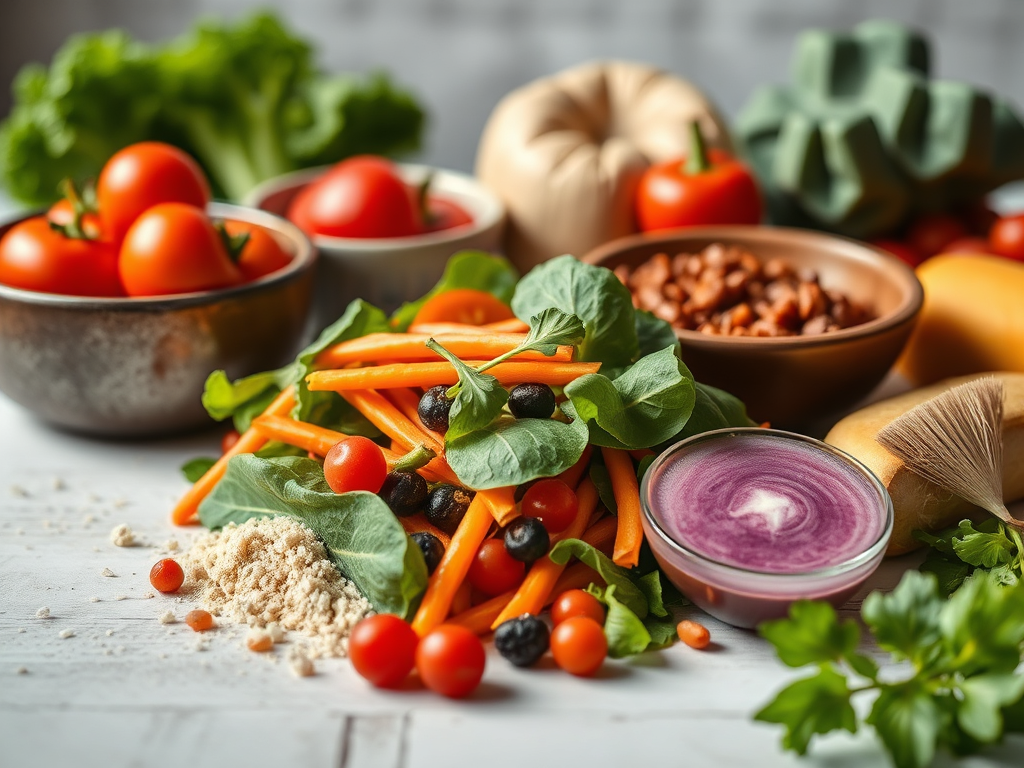
Some superfoods may not be suitable for seniors due to potential digestive issues, nutrient absorption concerns, and interactions with medications. Foods like kale and chia seeds can be hard to digest, while certain superfoods may contain high levels of oxalates or potassium, which can pose risks for those on specific medications. It's essential for seniors to consult healthcare professionals to ensure their superfood choices align with their individual health needs and dietary restrictions.
Understanding Nutritional Needs of Seniors
As individuals age, their nutritional requirements change significantly due to various physiological changes. Seniors often experience a decrease in metabolism and muscle mass, which can affect their dietary needs. Additionally, the body’s ability to absorb certain nutrients diminishes with age, making it crucial to tailor dietary choices accordingly. For example, seniors may require more protein to maintain muscle health and more vitamins and minerals to support overall well-being. Therefore, understanding these evolving needs is essential when considering the incorporation of superfoods into their diets.
Moreover, hydration becomes increasingly important as seniors may not feel thirsty even when their bodies require fluids. This can lead to dehydration, which can complicate the absorption of nutrients. Hence, it is vital for seniors to focus on nutrient-dense foods that provide the necessary vitamins and minerals without excessive calories. Superfoods, while often touted for their health benefits, can sometimes complicate this balance if not chosen carefully.
Specific Superfoods to Approach with Caution
Several superfoods are popular for their health benefits, but not all are suitable for seniors. For instance, foods like kale and spinach are rich in nutrients but also contain oxalates, which can contribute to kidney stone formation, especially in individuals with a history of kidney issues. Similarly, chia seeds, known for their omega-3 fatty acids and fiber content, can cause digestive problems if not consumed with adequate hydration, potentially leading to bloating or discomfort.
Another superfood to consider is acai berries, which are high in antioxidants but can interact with certain medications, particularly blood thinners. Seniors need to be cautious about introducing these foods into their diets without prior consultation with healthcare professionals. Understanding which superfoods can be beneficial or harmful is crucial in making informed dietary choices.
Potential Side Effects and Interactions
While superfoods are often labeled as health boosters, they can also present risks, particularly for seniors. For example, high potassium foods like avocados and bananas can be harmful to those taking certain medications such as ACE inhibitors, which are commonly prescribed for hypertension. Excessive potassium can lead to hyperkalemia, a condition that can be life-threatening.
Additionally, some superfoods may cause allergic reactions or intolerances in older adults. For instance, the popularity of gluten-free superfoods may lead seniors to consume more alternative grains that could trigger sensitivities. It’s essential to monitor any adverse reactions and consult healthcare providers when introducing new foods into the diet.
Strategies for Safe Superfood Consumption
Seniors can enjoy the benefits of superfoods by following some simple strategies. First, it is advisable to introduce new superfoods gradually, allowing time to monitor how the body responds. This approach can help identify any adverse reactions or digestive issues early on. Pairing superfoods with other foods can also enhance nutrient absorption and reduce the risk of gastrointestinal discomfort. For example, consuming fat-soluble vitamins found in foods like spinach with a source of healthy fat can improve absorption.
Moreover, seniors should prioritize whole-food sources of nutrients over processed superfood products, which may contain added sugars or preservatives. Consulting with a registered dietitian can provide personalized guidance tailored to individual health needs, ensuring that dietary changes support overall health and well-being.
Related Content
- How to Recognize Signs of Food Intolerances with Superfoods: Symptoms, Testing, and Dietary Adjustments
- How to Balance Whole Foods With Superfood Intake: Effective Strategies for Nutritional Harmony
- What To Do If A Superfood Causes Allergic Reactions: Identifying Symptoms and Effective Responses
- How to Choose Superfoods That Complement Your Diet: Essential Foods and Practical Steps
- Top Whole Foods That Help Reduce Inflammation (Naturally)