
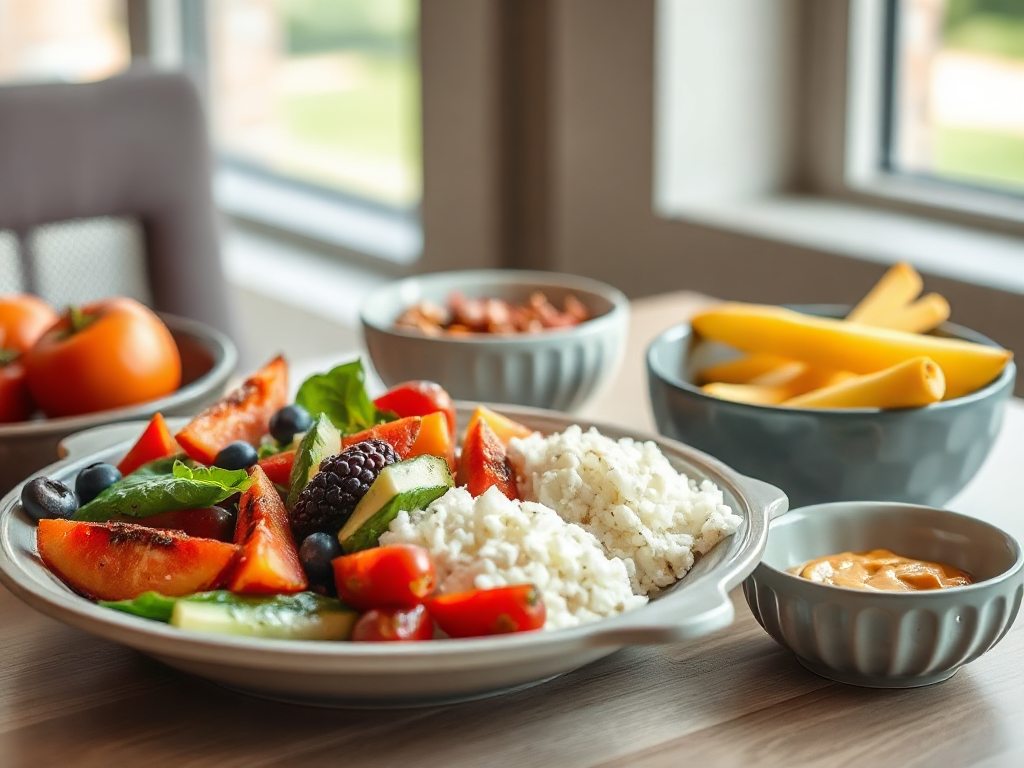
Incorporate superfoods into meal planning by assigning a few nutrient-dense ingredients to specific breakfasts, lunches, dinners, and snacks rather than adding them randomly. Build meals around familiar staples, then rotate berries, leafy greens, beans, oats, nuts, seeds, fatty fish, fermented foods, or unsweetened cocoa according to taste, budget, storage life, and dietary needs. Pair high-fiber choices with adequate fluids and vary ingredients to avoid digestive discomfort or an overly restrictive menu. A simple weekly map might use berries and chia at breakfast, lentils or greens at lunch, salmon or beans at dinner, and nuts or fruit for snacks. Portions and overall meal balance matter more than collecting many specialty products.
Define the Role of a Superfood in Your Week
A useful meal plan treats a superfood as one component of a meal, not as a replacement for a varied eating pattern. The term has no single scientific definition, so it is more helpful to examine the nutrient or food feature that makes an ingredient worth using. Berries contribute fiber and plant compounds, leafy greens provide folate and carotenoids, beans offer fiber and protein, and nuts and seeds add unsaturated fats, minerals, and texture. Fatty fish supplies omega-3 fats, while oats can contribute soluble fiber and a convenient whole-grain base.
Begin by choosing two or three ingredients that fit meals you already eat. Someone who regularly has yogurt may add berries, ground flaxseed, or walnuts. A person who prefers savory breakfasts might use spinach in eggs, beans in a breakfast bowl, or avocado on whole-grain toast. This approach is more sustainable than buying several powders, exotic fruits, and specialty bars that do not have a clear place in the week.
The main planning decision is whether an ingredient improves the meal you are likely to prepare. Fresh salmon may be nutrient-rich but impractical for a household with limited cooking time or a tight grocery budget. Canned salmon, frozen berries, dried lentils, cabbage, oats, and canned beans may offer better real-world value because they last longer and require less preparation. An ingredient that remains unused does not strengthen a meal plan.
Use the meal-planning process to assign each selected ingredient a job:
- Meal base: oats, quinoa, lentils, beans, or leafy greens.
- Protein or fat source: eggs, fish, tofu, yogurt, nuts, or seeds.
- Flavor and nutrient accent: berries, herbs, cocoa, garlic, or fermented vegetables.
- Convenience option: frozen produce, canned beans, or prewashed greens.
A common mistake is assuming that a more concentrated product is automatically more useful. A spoonful of powder may be convenient, but it may not supply the protein, energy, or meal satisfaction provided by a bowl containing oats, yogurt, fruit, and seeds. Choose concentration for convenience, not because it makes ordinary meal balance unnecessary.
Build Balanced Meals Around Practical Pairings
Meal balance determines whether a nutrient-dense ingredient supports a satisfying eating pattern. Pair a produce-rich choice with a protein source, a high-fiber carbohydrate, and an appropriate source of fat when the meal needs lasting fullness. For example, a spinach salad becomes more substantial with chickpeas, quinoa, olive oil, and pumpkin seeds; berries become a more complete breakfast when combined with plain yogurt and oats.
Pairing also makes preparation easier. Roast a tray of vegetables and chickpeas once, then use them in grain bowls, wraps, or salads. Cook lentils for dinner and reserve some for soup or a lunch salad. Keep frozen berries for oatmeal and smoothies, while fresh berries can be used when they are affordable and likely to be eaten quickly. The best pairings are often repeated in different forms rather than replaced every day.
Consider the difference between an ingredient that adds nutrition and one that displaces a needed meal component. Chia seeds can add fiber and texture to overnight oats, but using a large amount without enough liquid may be uncomfortable for some people. Dark leafy greens can contribute valuable nutrients, but a salad made only from greens may leave a person hungry if it lacks protein and energy. A smoothie containing fruit and greens may be convenient, yet adding yogurt, tofu, or nut butter can make it more complete.
Match the choice to the meal
Breakfast often benefits from oats, berries, seeds, yogurt, or eggs because these ingredients require little assembly. Lunch can use beans, lentils, greens, canned fish, whole grains, or leftover vegetables. Dinner is a good place for fish, tofu, legumes, cruciferous vegetables, or a mixed grain-and-vegetable dish. Snacks should remain simple: fruit with nuts, yogurt with seeds, or cut vegetables with hummus.
Some combinations deserve caution. High-fiber foods introduced all at once may cause gas or bloating, particularly when a person moves abruptly from a low-fiber pattern. Increase portions gradually, drink fluids according to personal needs, and vary sources rather than relying on a single seed or legume. People taking medication or managing a medical condition should not treat food combinations as a substitute for individualized clinical advice.
For more meal examples, use how to incorporate superfoods into meal planning as a working checklist: identify the meal, name the nutrient-dense ingredient, add the missing protein or carbohydrate, and confirm that the portion is realistic.
Turn Ingredients Into a Seven-Day Plan
A weekly food map works best when it organizes ingredients by storage life and preparation method. Start with foods that need to be used first, such as fresh herbs, delicate greens, and ripe berries. Place frozen, canned, and dried options later in the week. This reduces waste and prevents the common failure of planning seven different recipes that require seven unrelated shopping lists.
Choose a small rotation rather than assigning a new “superfood” to every meal. A seven-day plan might include oats and berries several mornings, beans or lentils in two lunches, leafy greens in three meals, fish once or twice when suitable, and nuts or seeds as measured additions. Repetition is not a nutritional failure when the wider plan includes different vegetables, proteins, grains, and fruit.
One practical sequence looks like this: prepare oats or overnight oats for early breakfasts, wash greens and chop sturdy vegetables, cook a batch of beans or grains, and portion snacks before the week becomes busy. Use a formula rather than a rigid menu: one protein, one produce choice, one high-fiber carbohydrate, and one flavor element. A lentil bowl can become a wrap the next day by changing the format and adding greens, yogurt sauce, or salsa.
Shopping decisions should reflect the number of meals rather than the reputation of an ingredient. Frozen spinach may be more useful than fresh spinach if it will be added to soups and egg dishes. Canned beans can save time compared with dried beans, although rinsing them may reduce some surface sodium. Fresh fish may suit a planned dinner, while canned fish can serve as a shelf-stable lunch option. Price, preparation time, allergies, and household preferences belong in the plan alongside nutrient content.
A compact planning checklist can keep the menu workable:
- Select two breakfast additions, two lunch components, and two dinner ingredients.
- Assign each item to at least one specific meal before buying it.
- Choose fresh, frozen, canned, or dried forms according to use and storage time.
- Check that meals include adequate protein and are not built around garnish-sized portions.
- Reserve one flexible meal for leftovers, restaurant food, or an unexpectedly busy day.
The mistake to avoid is confusing variety with complexity. A complicated plan may look impressive but collapse when chopping, cooking, or cleanup takes longer than expected. A modest plan repeated with sensible substitutions usually produces more consistent use.
Avoid Cost, Storage, and Tolerance Mistakes
Budget and food safety shape whether a meal plan survives beyond its first week. Specialty powders, imported berries, and packaged snack products can cost more than beans, oats, cabbage, frozen vegetables, canned fish, and seasonal fruit. Compare the ingredient’s price with the number of servings it provides and the amount that will actually be eaten. A lower-cost food with a clear role can be a stronger choice than an expensive product marketed around a broad health claim.

Storage also affects quality and waste. Freeze berries and sliced greens when fresh produce is likely to spoil. Keep nuts and seeds sealed, and consider refrigeration for products that become rancid more quickly. Cooked grains, beans, fish, and vegetables should be cooled and stored promptly using ordinary food-safety practices. If a meal plan depends on several fragile ingredients, schedule those meals earlier in the week.
Tolerance is another practical filter. Legumes, large servings of cruciferous vegetables, and fiber-rich seeds may be nutritious but can be difficult for some people when portions rise quickly. Start with an amount that fits the person’s current eating pattern, then adjust based on comfort. People with food allergies need ingredient-level substitutions rather than assuming that a “healthy” food is universally suitable. A dietitian or clinician can help with condition-specific restrictions, medication interactions, or medically prescribed diets.
Supplements and powders require extra scrutiny because labels, serving sizes, added sweeteners, and contamination controls vary. They may be useful for convenience in selected situations, but they should not crowd out ordinary foods that provide protein, fiber, water, and meal volume. Compare a green powder smoothie with a blended drink containing spinach, yogurt, fruit, and oats: the powder may be faster, while the whole-food version may be more filling and easier to evaluate ingredient by ingredient.
Watch for signs that the plan is failing: unused produce, meals that leave you hungry, repeated digestive discomfort, excessive preparation, or spending that exceeds the grocery budget. Those signals call for changing the structure, portion, storage format, or ingredient—not for adding more products.
Review the Plan and Adjust It
Reviewing a meal plan turns a collection of healthy intentions into a workable routine. After one week, note which meals were prepared, which ingredients spoiled, how long cooking took, and whether the meals were satisfying. This information is more useful than judging the plan by how many fashionable ingredients it contains.
Make one adjustment at a time. If breakfast is rushed, replace a cooked recipe with overnight oats or yogurt, fruit, and seeds. If lunch lacks protein, add beans, tofu, eggs, fish, or yogurt rather than simply increasing leafy greens. If dinner produces too many leftovers, halve the batch or designate the extra portion for lunch. If fresh produce repeatedly spoils, shift toward frozen or sturdy options such as carrots, cabbage, apples, and winter squash.
A strong plan has a default version and a backup version. The default might be a salmon-and-grain bowl, while the backup uses canned beans and frozen vegetables. The default breakfast may contain fresh berries, with frozen berries serving when shopping is delayed. This comparison matters because a plan that works only under ideal conditions is not operationally reliable.
Keep expectations realistic. Adding nutrient-dense foods can improve meal quality, fiber intake, flavor, and variety, but no single ingredient guarantees a health outcome. The broader pattern—adequate food, varied sources, sensible portions, and a preparation method you can maintain—carries more weight than a superfood label. Revisit the weekly meal map whenever your schedule, budget, preferences, or storage capacity changes.
Frequently Asked Questions
How many superfoods should appear in a weekly meal plan?
There is no required number. Two to six familiar ingredients used repeatedly in balanced meals is often more practical than buying many products that go unused.
Can superfoods replace a balanced meal?
Usually not. Berries, greens, seeds, or powders may add specific nutrients, but meals still need suitable protein, carbohydrates, fats, and enough energy for satisfaction.
Are frozen superfoods a good choice?
Frozen berries and vegetables can be excellent choices when they are affordable, convenient, and free from unwanted added sugar or heavy sauces. They also reduce spoilage when fresh produce is difficult to use quickly.
How can beginners avoid digestive discomfort?
Introduce beans, seeds, and other high-fiber foods gradually, use reasonable portions, and vary the sources. Persistent or severe symptoms warrant advice from a qualified healthcare professional.
Are superfood powders necessary?
No. Powders may offer convenience, but oats, beans, fruit, vegetables, nuts, seeds, fish, and other ordinary foods can provide useful nutrients with clearer meal value.
Conclusion
Effective meal planning with superfoods depends less on finding rare ingredients than on giving a few useful foods a clear place in the week. Choose options that fit your budget, storage space, cooking time, and dietary needs, then pair them with enough protein, fiber-rich carbohydrates, and satisfying fats. Use frozen, canned, and dried forms when they reduce waste, and introduce high-fiber choices at a pace your digestion can tolerate. After seven days, review what was eaten, what spoiled, and which meals were genuinely convenient. Keep the combinations that worked, replace the impractical ones, and maintain a flexible backup meal. A varied, repeatable pattern is a stronger target than collecting products with impressive labels.
Related Content
- How to Identify Low-Quality Whole Food Products: Key Characteristics and Red Flags
- Which Superfoods Help Maintain Healthy Cholesterol Levels: Top Foods for Heart Health
- Issues With Integrating Whole Foods Into Meals: Common Challenges and Practical Solutions
- Common Reasons for Not Feeling the Benefits of Superfoods: Key Misconceptions and Practical Solutions
- Mediterranean Diet Pyramid Portions And Food Groups: A Practical Plate-by-Plate Breakdown
Further Reading
Authoritative Sources
- 7-Day Superfood Meal Plan
eatingwell.com7-Day Superfood Meal Plan · Day 1: Mexican Cabbage Soup · Day 2: Falafel Salad with Lemon-Tahini Dressing · Day 3: Quick Lentil Salmon Salad · Day 4 ...
- Easy 7-day family meal plan
bbcgoodfood.comFeeding the family has never been easier with our seven-day meal plan. Get ahead with our wholesome breakfasts, easy lunches and hearty dinners.
- Diet Food Plans for a Week: Your Complete 7-Day Guide ...
kcconvention.comA diet food plans for a week is simply a structured menu that repeats a small set of meals across seven days, They emphasize vegetables, lean ...
- Healthy 7 Day Meal Plan For Clean Eating
australianeggs.org.auThis meal plan provides plenty of vegetables, whole fruit, whole grains, legumes, seeds, nuts and provides 2 serves of fatty fish and 12 eggs per week.