
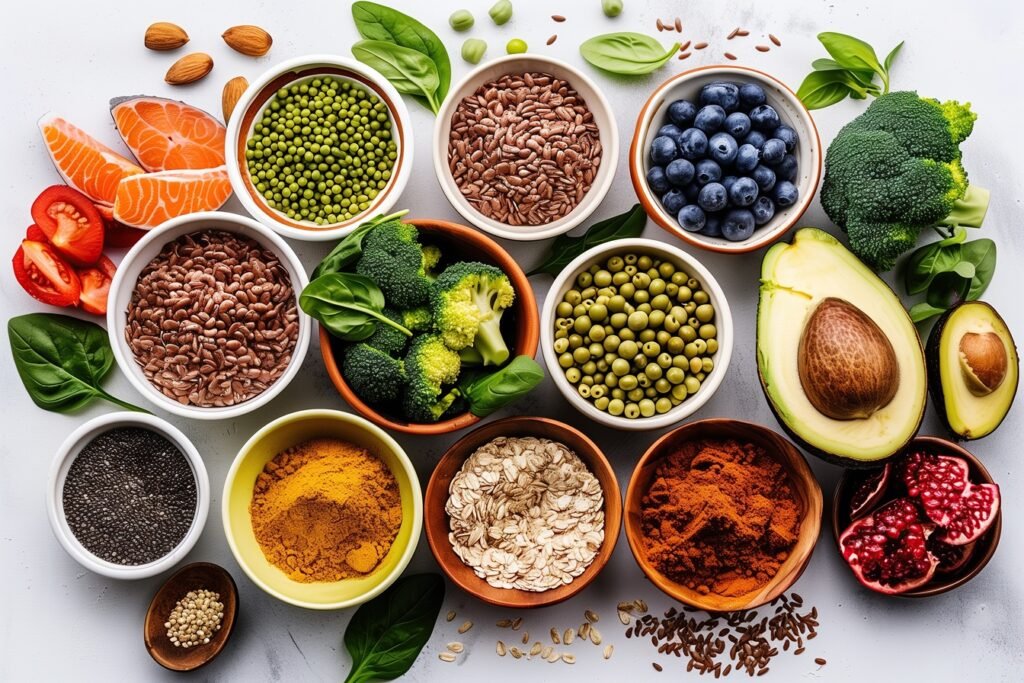
Integrating whole foods into meals presents challenges such as limited cooking skills, ingredient accessibility, and meal planning difficulties. To overcome these hurdles, individuals should focus on developing meal prep routines that simplify the cooking process. Educating oneself on various cooking techniques can enhance confidence in the kitchen, while exploring local markets can provide access to fresh, seasonal ingredients. Additionally, creating a balanced meal plan that incorporates a variety of whole foods can help ensure nutritional needs are met and make the transition smoother.
Understanding Whole Foods Integration Challenges
Integrating whole foods into meals involves several challenges that can hinder the process. Common issues include lack of familiarity with whole food options, difficulty in finding the right balance of nutrients, and potential dietary restrictions that complicate meal choices. Some individuals may feel overwhelmed by the variety of whole foods available, leading to indecision and ultimately, a return to processed foods.
Moreover, integrating whole foods often requires a shift in mindset towards cooking and meal preparation. Many individuals are accustomed to convenience foods that require little to no preparation, making the transition to whole foods daunting. This shift is crucial, as understanding these challenges can help individuals develop effective strategies for successful integration.
Meal Planning and Preparation Strategies
Effective meal planning is essential for successfully integrating whole foods into daily meals. A well-structured meal plan not only simplifies grocery shopping but also reduces the stress of last-minute cooking decisions. Start by identifying a variety of whole foods that suit your taste preferences and dietary needs. Incorporate fruits, vegetables, whole grains, nuts, and seeds into your meal plan.
Once you have a list, prepare meals in advance to save time during the week. Batch cooking can be particularly helpful, allowing you to prepare large quantities of grains or legumes that can be used in different meals. For instance, quinoa can serve as a base for salads, a side dish, or even a breakfast option when paired with yogurt and fruits. A key mistake is underestimating the importance of variety; including different whole foods ensures balanced nutrition and keeps meals interesting.
Overcoming Cooking Skill Barriers
Many people face challenges in the kitchen that prevent them from fully embracing whole foods. Limited cooking skills can lead to frustration and the perception that whole foods are difficult to prepare. To overcome this barrier, consider taking cooking classes or utilizing online resources that offer guided tutorials on basic cooking techniques. Learning how to properly prepare vegetables, grains, and proteins can significantly enhance your confidence in the kitchen.
Another common mistake is relying solely on elaborate recipes that require specialized skills or equipment. Start with simple recipes that emphasize whole foods and gradually build your cooking repertoire. For example, roasted vegetables with olive oil and herbs are a straightforward yet flavorful way to enjoy whole foods without complex techniques. Focus on mastering a few key methods, such as steaming, roasting, and sautéing, to create a solid foundation for further exploration.
Navigating Ingredient Accessibility Issues
Accessibility to whole foods can vary significantly based on location, budget, and seasonality. Many individuals find it challenging to source fresh, high-quality whole foods, especially in areas with limited grocery options. To address this issue, explore local farmers’ markets, community-supported agriculture (CSA) programs, and food co-ops, which often provide direct access to fresh produce and whole foods.
Additionally, consider planning your meals around seasonal ingredients, which can be more affordable and flavorful. If certain whole foods are not available, seek alternatives that provide similar nutritional benefits. For instance, if fresh berries are out of season, frozen berries can be a convenient substitute while still offering essential nutrients. This flexibility is key to maintaining a whole food diet without frustration.
Frequently Asked Questions
What are whole foods?
Whole foods are natural foods that are minimally processed and free from artificial ingredients, such as fresh fruits, vegetables, grains, nuts, and seeds.
How can I start integrating whole foods into my meals?
Begin by planning your meals around whole foods, focusing on simple recipes that utilize fresh ingredients and gradually expand your cooking skills.
What are the benefits of eating whole foods?
Whole foods are nutrient-dense, providing essential vitamins, minerals, and fiber that support overall health and may reduce the risk of chronic diseases.
How do I overcome a lack of cooking skills?
Consider taking cooking classes or watching online tutorials to learn basic cooking techniques that will boost your confidence in preparing whole foods.
What should I do if fresh whole foods are not available?
Look for local farmers’ markets, community-supported agriculture, or frozen alternatives, which can provide access to seasonal and affordable whole foods.
Conclusion
Successfully integrating whole foods into meals requires understanding the challenges, planning, and developing cooking skills. By prioritizing meal preparation, exploring local markets, and being flexible with ingredient choices, individuals can create nutritious and satisfying meals. Embrace the journey of cooking with whole foods, as it not only enhances dietary quality but also fosters a deeper connection to food and health.
Related Content
- What to Consider When Switching to Whole Foods: Key Nutritional Factors and Practical Steps
- Why Some People Feel Worse After Eating Superfoods: Common Causes and Misunderstandings
- SIBO-friendly foods and common tolerance considerations: Portions, Preparation, and Symptom Tracking
- Terms of Use
- Steps to Take If Superfoods Cause Skin Reactions: Identifying Symptoms and Effective Remedies