
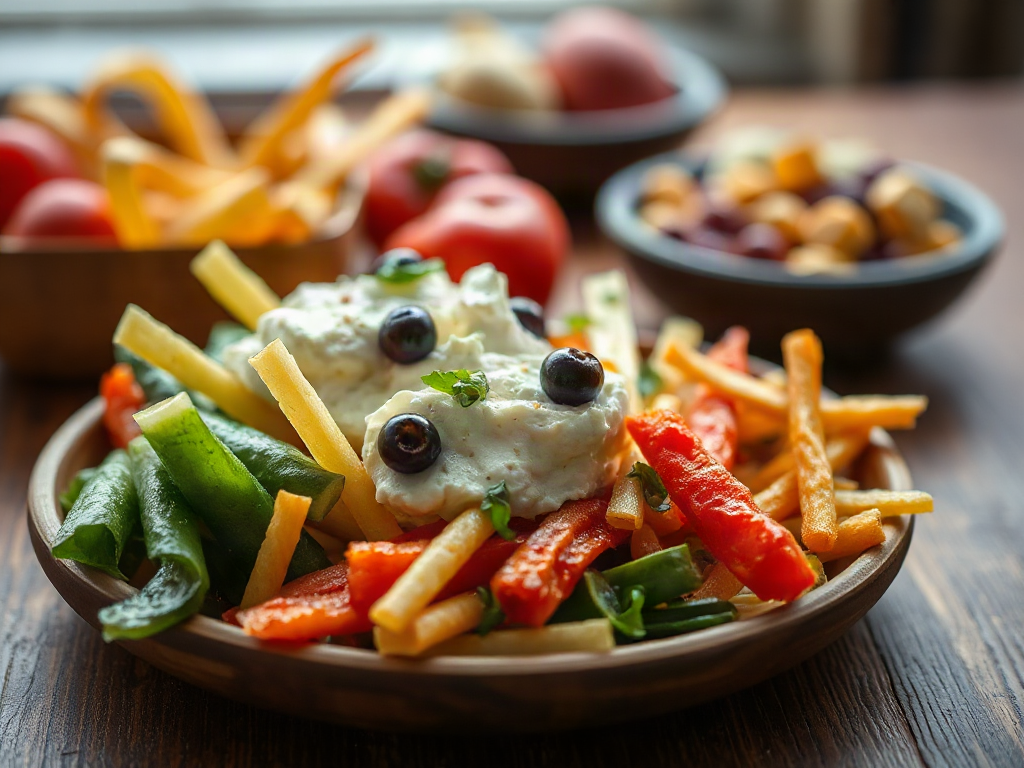
Nutrient-dense foods supply substantial vitamins, minerals, protein, fiber, or beneficial fats relative to their calories, while energy-dense foods provide more calories per gram, often because they contain less water and more fat or added sugar. Vegetables, beans, eggs, fish, fruit, and plain dairy can raise nutrient density; oils, nuts, cheese, pastries, and fried foods are more energy-dense. Neither category is automatically healthy or unhealthy: nuts are both nutritious and calorie-rich, whereas sugary drinks deliver energy with limited nutritional value. Choose according to appetite, energy needs, portions, and the nutritional contribution of the entire meal rather than judging foods by calories alone.
What Nutrient Density and Energy Density Actually Measure
Nutrient density and energy density answer different questions. Nutrient density describes how much nutritional value a food provides in relation to its calorie content, serving size, or weight. Relevant components may include protein, fiber, essential fatty acids, vitamins, and minerals. Energy density measures calories per gram of food, regardless of whether those calories arrive with many nutrients or very few.
A cup of strawberries contains considerable water and supplies vitamin C and fiber for relatively few calories. A tablespoon of oil contains far less food by weight or volume but substantially more energy because fat is concentrated and contains more calories per gram than carbohydrate or protein. Oil is therefore energy-dense, although its nutritional role depends on the type, quantity, and foods eaten with it.
The terms are not opposites. A food can be nutrient-dense and energy-dense at the same time. Nuts provide unsaturated fats, protein, fiber, magnesium, and other micronutrients, but their low water content and high fat concentration make them calorie-rich. Avocado, seeds, cheese, and oily fish also combine meaningful nutrition with moderate or high energy density. Conversely, a product can be low in calories without contributing much nutrition. A low-calorie sweetened drink, for example, may provide little protein, fiber, or micronutrient value.
Context also changes the evaluation. Spinach offers folate, vitamin K, carotenoids, and other nutrients with little energy, but spinach alone cannot provide enough calories or protein for a meal. Pairing it with lentils, eggs, salmon, whole grains, olive oil, or another substantial food produces a more complete plate. The practical objective is not to select the lowest-calorie item; it is to obtain enough energy and a useful range of nutrients without letting foods of limited nutritional value displace the rest of the diet.
A common mistake is treating “energy-dense” as a synonym for “unhealthy.” That label ignores the different needs of a growing teenager, an endurance athlete, an older adult with low appetite, and a sedentary adult trying to reduce calorie intake. The comparison becomes useful only after considering appetite, activity, health needs, meal pattern, and portion size. For a deeper foundation, see Nutrient-dense versus energy-dense foods explained.
How Water, Fiber, Fat, and Processing Change Food Density
Water content has the strongest effect on the physical volume of food without adding calories. Fresh fruit, vegetables, broth-based soups, and cooked grains or legumes contain substantial water, so a larger portion can have fewer calories than a small serving of a dry or fatty food. Drying removes that water: grapes become raisins, and a portion that looks modest can contain the energy of many grapes.
Fiber adds bulk and is not digested in the same way as available carbohydrate. Beans, oats, berries, pears, and vegetables combine fiber with water, which can slow eating and contribute to fullness. Fiber does not make every product nutrient-dense, however. A heavily sweetened snack with added isolated fiber is nutritionally different from beans that also supply protein, folate, potassium, iron, and other compounds within the whole food.
Fat raises energy density because it provides more calories per gram than protein or carbohydrate. That fact supports portion awareness, not automatic avoidance. Olive oil can make vegetables more satisfying and helps carry flavor; nuts can add protein, minerals, and texture to oatmeal; peanut butter can increase the energy of a snack for someone struggling to eat enough. Problems arise when concentrated fats are added casually and repeatedly without accounting for the larger meal. A free-poured dressing, large handfuls of nuts, and fried toppings may turn a moderate meal into a much higher-energy one while barely changing its apparent size.
Processing affects density in several ways. Milling, refining, frying, dehydration, and adding sugars or fats can make food easier to eat quickly and reduce the volume associated with a given number of calories. Processing is not inherently harmful: frozen vegetables, canned beans, plain yogurt, tofu, and canned fish are processed yet retain substantial nutritional value and can improve affordability or convenience. The more useful question is what the process added, removed, or concentrated.
Compare a baked potato with potato chips. Both begin with potato, but chips have lost water and gained oil and salt, producing a compact food that is easy to consume in quantity. The baked potato retains water and potassium and can form part of a filling meal when paired with beans, plain yogurt, or vegetables. The lesson is not that chips can never fit; it is that their concentration and typical serving pattern make portion drift more likely.
Food Comparisons That Reveal the Difference
Side-by-side comparisons expose why calorie count alone gives an incomplete picture. Whole fruit and fruit juice may originate from the same produce, but whole fruit retains an intact structure and more fiber, takes longer to eat, and usually creates a more substantial eating experience. Juice can still contribute vitamins, yet it delivers carbohydrate quickly and is easier to consume in a large amount. Choosing between them depends on whether the goal is fullness, convenience, rapid carbohydrate, or extra energy for a low appetite.
Plain Greek yogurt and a sweetened frozen dessert can have similar visual serving sizes while differing in protein, added sugar, fat, and micronutrient contribution. The yogurt may be more nutrient-dense because it supplies protein and calcium relative to its calories. That does not make dessert forbidden, but dessert should not be assumed to serve the same nutritional function merely because both are dairy-based.
Consider three broad food patterns:
- High nutrient density, lower energy density: leafy vegetables, broccoli, berries, oranges, broth-based vegetable soup, and many types of seafood.
- High nutrient density, higher energy density: nuts, seeds, avocado, eggs, cheese, oily fish, and unsweetened nut butter.
- High energy density, limited nutrient contribution: many candies, pastries, fried snack foods, and products dominated by refined starch, added sugar, or added fat.
These are working categories rather than permanent rankings. Fortification, recipes, cooking methods, and serving sizes matter. Cheese offers protein and calcium but can also contribute substantial saturated fat and sodium, depending on the type and amount. Granola may contain whole grains, nuts, and seeds while also carrying concentrated sweeteners and oil. A small portion used as a yogurt topping behaves differently from a large bowl eaten as though it were an unsweetened cooked cereal.
Meal composition matters more than a single ingredient’s label. A salad of lettuce and cucumber has low energy density but may leave someone hungry if it lacks protein, carbohydrate, or fat. Adding chickpeas, chicken, tofu, quinoa, seeds, and dressing creates a more sustaining meal. Someone seeking lower energy intake might use modest amounts of seeds and dressing; someone with high energy demands could increase those concentrated components.
The failure signal is a recurring mismatch between the meal and the person’s needs. Persistent hunger soon after eating may indicate too little protein, fiber, fat, or total energy. Unintentional fullness before nutritional needs are met may indicate excessive reliance on bulky, very low-energy foods. These patterns are more informative than calling individual foods “good” or “bad.” More comparisons appear in Nutrient-dense versus energy-dense foods explained.
How to Build Meals for Different Energy Needs
Meal design should begin with the eater’s actual energy and appetite requirements. For someone seeking satisfying meals with moderate calorie intake, vegetables, whole fruit, legumes, and broth-based dishes can provide volume, fiber, and micronutrients. Protein from fish, poultry, eggs, tofu, beans, or plain dairy adds staying power, while measured portions of oil, nuts, cheese, or avocado provide flavor and essential fats without unintentionally dominating the meal.
A practical lunch might combine lentil soup, a piece of fruit, and plain yogurt. Water-rich ingredients create volume, while lentils and yogurt contribute protein. If that meal does not sustain the person, adding whole-grain bread, olive oil, or nuts may be more effective than simply increasing raw vegetables. Signs that the adjustment works include comfortable fullness, stable meal spacing, and enough energy for normal activity.
People with low appetite, high training volume, growth-related needs, or difficulty maintaining weight may benefit from more energy-dense additions. A smoothie made with milk or fortified soy beverage, yogurt, oats, fruit, and nut butter concentrates energy and nutrients into a manageable volume. Adding olive oil to soup, avocado to a sandwich, or seeds to cereal can increase intake without requiring a dramatically larger plate. Medical conditions, swallowing difficulties, digestive symptoms, and unintentional weight change warrant individualized advice from an appropriate healthcare professional.
Budget introduces another constraint. Nutrient density does not require rare powders or premium “superfoods.” Dried or canned beans, eggs, oats, peanut butter, frozen vegetables, canned tomatoes, seasonal fruit, and canned fish can provide strong nutritional value at lower cost. Frozen produce is especially practical because the edible portion can be used gradually, reducing spoilage. Compare unit prices and usable servings rather than assuming fresh, organic, or heavily marketed products are nutritionally superior.
Restrictive thinking is the usual failure mode. Removing all energy-dense foods can leave meals bland, insufficient, or difficult to sustain. Building most meals around calorie-rich convenience products can crowd out fiber and micronutrients. A workable middle ground uses whole or minimally processed staples as the foundation, then adjusts concentrated ingredients to match hunger and energy demand. A person’s pattern across days matters more than perfect classification at every sitting.
A Practical Checklist for Evaluating Food
A useful food decision combines the nutrition label, ingredient context, intended portion, and role in the meal. No single number captures all four. Calories indicate energy, but they do not reveal whether the food supplies protein, fiber, iron, calcium, potassium, or essential fats. Likewise, a long vitamin list does not guarantee that a product will be filling or appropriate for a person’s needs.
Use this compact check before treating a food as either a staple or an occasional extra:
- Check the serving size. Compare it with the amount you actually eat, especially for oils, spreads, cereal, granola, nuts, and snack foods.
- Identify the main nutritional contribution. Look for meaningful protein, fiber, unsaturated fat, vitamins, or minerals rather than relying on front-label claims.
- Notice water and physical form. Whole, cooked, blended, dried, and fried versions of a food can differ greatly in eating speed and energy concentration.
- Place it within the meal. Ask whether it supplies the protein, produce, carbohydrate, or fat that is missing rather than duplicating what is already abundant.
- Review the result. Hunger, premature fullness, energy during normal activity, digestive comfort, and unintended weight change can show whether the pattern fits.
Front-of-package terms such as “natural,” “light,” or “made with whole grains” do not resolve the comparison. Read the standard nutrition information and ingredient list, then consider the food’s purpose. A sports drink may be useful during prolonged strenuous activity but unnecessary as a routine beverage. A high-calorie nutrition drink may help someone unable to meet needs through meals but offer little advantage to a person who already eats adequately.
Do not chase maximum nutrient density at every bite. Variety matters because different foods supply different nutrient profiles, and enjoyment affects whether a pattern is sustainable. The more reliable priority is to build a base of vegetables, fruit, legumes, whole grains, protein-rich foods, and appropriate fats, then use sweets, fried foods, and refined snacks in portions that do not displace those basics. That approach turns Nutrient-dense versus energy-dense foods explained into a practical meal-planning tool rather than another rigid food rule.
Frequently Asked Questions
Are all nutrient-dense foods low in calories?
No. Nuts, seeds, avocado, cheese, and oily fish contain valuable nutrients but can also be calorie-rich because of their fat content.
Are energy-dense foods always unhealthy?
No. Energy-dense whole foods may be useful for high energy needs or low appetite. Nutritional value, portion, frequency, and the rest of the meal determine their role.
How can I lower a meal's energy density without making it less satisfying?
Add water-rich vegetables or broth while retaining a protein source and a measured amount of fat. Removing all fat or protein may reduce satisfaction and lead to early hunger.
Does processing automatically reduce nutrient density?
No. Freezing, canning, fermenting, and pasteurizing can preserve useful nutrients and improve convenience. Refining, frying, or adding large amounts of sugar and fat may change the balance more substantially.
Should weight loss meals contain only low-energy-density foods?
No. Lower-energy foods can add volume, but meals still need adequate protein, essential fats, and sufficient energy. Individual medical and nutritional needs may require professional guidance.
Conclusion
Food density is most useful as a comparison tool, not a moral ranking system. Start by identifying what a meal contributes: protein, fiber, produce, essential fats, and enough energy for the person eating it. Use water-rich whole foods to create volume when fullness is a priority, and add concentrated options deliberately when appetite is limited or energy demand is high.
Check portions of oils, nuts, spreads, cheese, granola, and fried foods because their energy can accumulate without much added volume. At the same time, avoid building meals so lean or bulky that they fail to satisfy or meet nutritional needs. Review the whole eating pattern, including convenience, cost, enjoyment, and any unintended changes in hunger or body weight. Those observations provide a better next step than judging a food from calories—or a health claim—alone.
Related Content
- Steps to Take If Superfoods Interfere With Medications: Key Actions and Precautions
- How Can I Incorporate Superfood Nutrition Into My Daily Diet?
- Steps to Take If Superfoods Are Causing Weight Gain: Identifying Triggers and Adjusting Your Diet
- What Are The Benefits Of Whole Food Nutrition For Health?
- How Does Superfood Nutrition Compare To Regular Dietary Choices?