
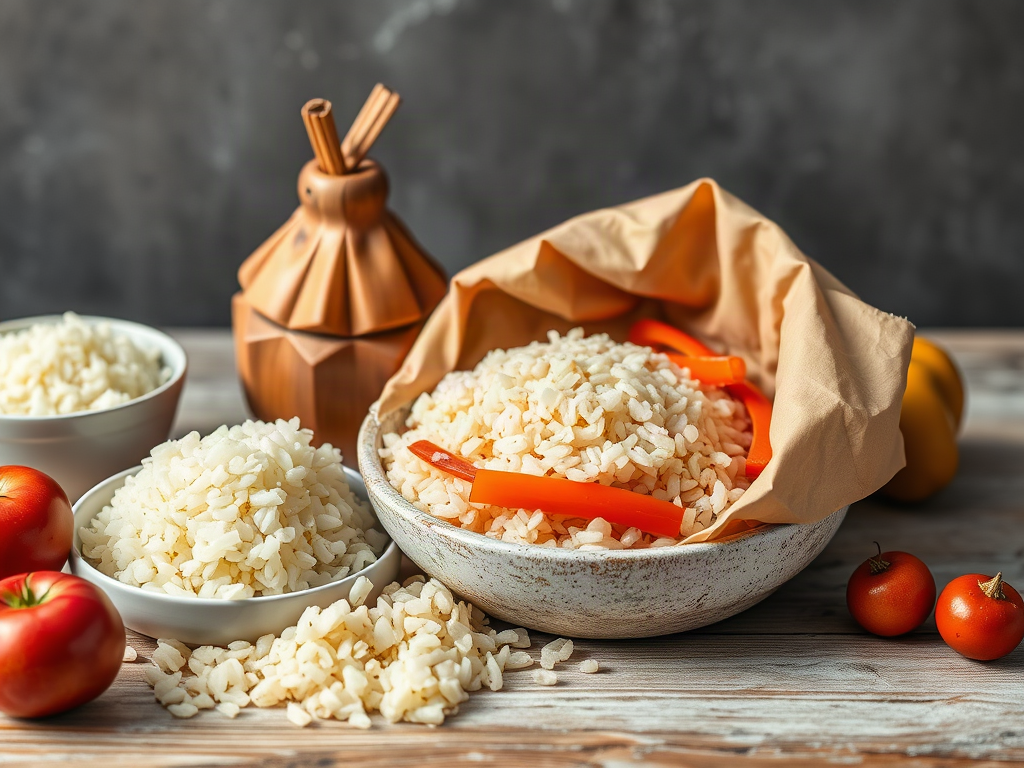
Low sulfur foods for everyday meal planning include rice, oats, cornmeal, apples, berries, grapes, lettuce, cucumbers, carrots, zucchini, and minimally processed fats, combined in varied meals rather than treated as a permanent elimination list. Sulfur content is not consistently listed on food labels or in nutrient databases, so choices usually rely on food families, ingredient records, and individual response. Eggs, alliums, cruciferous vegetables, and large servings of protein-rich foods are commonly limited during a supervised trial. Sulfites, sulfa drugs, and sulfur-containing proteins are different issues, making symptom tracking and professional guidance important before imposing broad restrictions.
What Counts as a Low Sulfur Food?
A low sulfur food is best understood as a food that contributes relatively little sulfur compared with eggs, alliums, cruciferous vegetables, or concentrated protein sources. There is no universally accepted clinical cutoff that divides every ingredient into “low” and “high” categories. Standard nutrition labels do not report total sulfur, and major food databases generally emphasize recognized nutrients rather than giving shoppers a complete sulfur value for each food.
Part of the difficulty is that sulfur appears in several forms. The amino acids methionine and cysteine contain sulfur and occur naturally in protein. Garlic, onions, leeks, broccoli, cabbage, cauliflower, and related plants contain characteristic organosulfur compounds. Sulfites are preservatives that may be added to wine, dried fruit, bottled lemon juice, some potato products, and other processed foods. A reaction to sulfites is not the same as sensitivity to naturally occurring sulfur compounds, and neither should be confused with an allergy to a sulfonamide medication.
This distinction changes meal planning. Someone advised to avoid sulfites may need to read labels for sulfur dioxide, sodium sulfite, sodium bisulfite, potassium bisulfite, and related preservatives while still tolerating fresh broccoli or eggs. Someone conducting a clinician-directed dietary trial for suspected sensitivity to sulfur-rich foods may temporarily reduce eggs, alliums, crucifers, and large protein portions. Applying every possible restriction at once can remove nutritious foods without clarifying which category actually matters.
Low sulfur eating is therefore usually a comparative, short-term strategy rather than a sulfur-free diet. The body requires sulfur-containing amino acids, so complete avoidance is neither realistic nor nutritionally appropriate. Food preparation may change aroma, texture, or digestive tolerance, but cooking does not provide a reliable way to remove all sulfur from an ingredient.
A common mistake is trusting unreferenced internet charts as if they were laboratory-standard lists. Lists often disagree because they may measure different compounds, group foods by reputation, or address sulfites rather than total dietary sulfur. Start by defining the purpose of the restriction, then evaluate food families and personal tolerance instead of treating a single chart as definitive.
Which Foods Fit Low Sulfur Meals?
Fresh fruit, many mild vegetables, plain grains, and simple fats provide the most workable foundation for meals that are lower in sulfur-rich ingredients. Useful fruit options often include apples, pears, grapes, berries, peaches, melons, and citrus fruit. Common vegetable choices include lettuce, cucumber, carrots, zucchini, bell peppers, celery, and tomatoes. Individual lists differ, so any food associated with symptoms should be evaluated separately rather than kept solely because it appears in a low sulfur category.
Rice, oats, cornmeal, polenta, and products made mainly from these grains can supply energy without relying on eggs, cheese, or large servings of meat. Plain versions are easier to assess than seasoned mixes. A rice blend may contain onion powder; a flavored oatmeal packet may include milk ingredients or preservatives; and a gluten-free bread may use eggs or pea protein. The front label rarely tells the whole story, making the ingredient panel more useful than marketing terms.
| Meal role | Often practical starting options | Details to check |
|---|---|---|
| Starch | Rice, oats, cornmeal, polenta | Seasoning packets, egg, milk, protein concentrates |
| Fruit | Apples, berries, grapes, pears, melon | Sulfites in dried or processed versions |
| Vegetable | Lettuce, cucumber, carrots, zucchini, peppers | Onion, garlic, or cruciferous blends |
| Fat and flavor | Olive oil, avocado oil, fresh herbs, ginger | Garlic-infused products and compound seasonings |
| Protein | Individually tolerated, modest portions | Total protein adequacy and symptom response |
Protein requires more judgment because all intact protein foods contain sulfur amino acids to some degree. Eggs are commonly treated as sulfur-rich, while meat, fish, dairy, legumes, nuts, and seeds contribute varying amounts through their protein. Simply replacing meat with very large servings of lentils, pea protein, or soy isolate may not accomplish the intended reduction. Conversely, eliminating every substantial protein source can leave a meal filling at first but nutritionally incomplete over time.
A practical lunch might pair rice with roasted carrots and zucchini, cucumber, olive oil, fresh parsley, and a modest portion of an individually tolerated protein. Breakfast could be oatmeal with blueberries, sliced pear, and cinnamon rather than eggs with onion-seasoned potatoes. These are starting formats, not universal prescriptions. Freshness and processing matter too: unsulfited fresh grapes and dried grapes treated with preservatives are not interchangeable for someone whose actual concern is sulfites.
How to Build a Practical Low Sulfur Plate
A workable plate begins with an energy source and produce, then adds the smallest protein restriction consistent with the reason for the diet. This approach avoids the common pattern of eating only fruit, plain rice, and salad while unintentionally falling short on protein, calories, iron, calcium, vitamin B12, or other nutrients. The longer a restricted diet continues, the more important nutritional adequacy becomes.
Use a simple four-part planning sequence:
- Choose a plain starch: rice, oatmeal, polenta, or another tolerated grain.
- Add two produce choices: combine a fresh or cooked vegetable with fruit to improve variety.
- Select an assessed protein portion: use a food and quantity that fit the supervised plan instead of removing all protein by default.
- Finish with simple flavor: olive oil, ginger, citrus zest, basil, parsley, dill, or other tolerated seasonings.
For dinner, that sequence might become polenta topped with sautéed zucchini and red pepper, served with a pear and an assessed portion of protein. A portable lunch could use rice, cucumber, carrots, herbs, and olive oil packed separately. Batch-cooked plain components make the restriction easier to manage because one pot of rice and one tray of mild vegetables can be recombined with different fruit, herbs, textures, and protein portions.
Flavor is a frequent obstacle when garlic and onion are removed. Replacing them with excessive quantities of one “safe” seasoning can make meals monotonous and may obscure symptom patterns. Rotate fresh herbs, ginger, citrus zest, pepper, and toasted spices that fit the person’s plan. Garlic-infused oil is not automatically suitable: although some compounds behave differently in oil than in whole garlic, a sulfur-focused protocol may still exclude it. Follow the actual restriction rather than borrowing substitutions from an unrelated digestive diet.
Processed convenience foods create another constraint. Broths, sauces, seasoning blends, meat substitutes, snack mixes, and frozen entrées commonly combine onion, garlic, concentrated proteins, dairy, or sulfite preservatives. Preparing every item from scratch is not always realistic, so identify two or three packaged staples with short, stable ingredient lists. Recheck labels when buying them because formulations can change.

Signs that the plan is functioning include enough food to maintain normal energy, several tolerated choices in each meal category, predictable grocery preparation, and a symptom record that can be interpreted. Persistent hunger, unintended weight change, declining food variety, fear of trying foods, or no detectable pattern despite strict avoidance indicate that the plan needs reassessment rather than further restriction.
How to Test Tolerance Without Overrestricting
A structured trial changes one defined set of foods for a limited period and records what happens under reasonably consistent conditions. It should not begin by removing eggs, meat, dairy, legumes, nuts, crucifers, alliums, gluten, sulfites, and fermented foods simultaneously. A broad elimination may alter symptoms, but it cannot show which removal mattered and can make reintroduction unnecessarily difficult.
Before changing the menu, record several days of usual food intake, approximate portions, symptoms, bowel patterns if relevant, medications or supplements, sleep disruption, and unusual stress. Symptoms alone are nonspecific; timing and repetition make the record more informative. A reaction that appears once after a complex restaurant meal is harder to interpret than a similar response that follows repeated, controlled exposures to one ingredient.
During a trial, keep the base meals stable enough to compare while rotating foods within the permitted categories. For example, breakfast might alternate oatmeal with berries, rice cereal with pear, and cornmeal porridge with peaches. If symptoms remain unchanged after a carefully followed trial, tightening the diet indefinitely is unlikely to supply a clearer answer. The next step is to revisit the working assumption with a qualified clinician or registered dietitian.
Reintroduction is where useful information is often gained. One food or food family can be returned in a defined portion while the rest of the menu remains familiar. Portion size matters: tolerance of a garnish does not establish tolerance of a full serving, while a response to an unusually large challenge may not reflect ordinary intake. Repeating a challenge may be inappropriate if previous reactions involved breathing difficulty, swelling, faintness, or another severe response; those situations require medical guidance rather than home experimentation.
Another failure mode is assuming that every digestive symptom confirms sulfur intolerance. Abdominal discomfort, gas, diarrhea, headache, and fatigue can have many dietary and non-dietary causes. Fermentable carbohydrates, fat quantity, meal size, foodborne illness, medications, and underlying conditions may produce overlapping experiences. Low sulfur meal planning is not a treatment for a diagnosed disease and should not delay medical assessment of persistent, worsening, or severe symptoms.
Review the record for three outcomes: a repeatable relationship between a food and symptoms, improved tolerance at a smaller portion, or no meaningful change. The first may justify targeted avoidance, the second may support portion management, and the third argues against expanding the restriction. Precision is more useful than a growing forbidden-food list.
Frequently Asked Questions
Are low sulfur and sulfite-free diets the same?
No. Sulfites are preservatives found in certain processed foods and drinks, while sulfur also occurs naturally in amino acids and plant compounds. The correct food list depends on which substance is relevant.
Are eggs high in sulfur?
Eggs contain sulfur-bearing amino acids and are commonly limited in low sulfur dietary trials. Whether they need to be excluded, reduced, or reintroduced depends on the purpose of the plan and individual tolerance.
Can a low sulfur meal include protein?
Yes. Protein should not be eliminated automatically because sulfur-containing amino acids are nutritionally necessary. A dietitian can help choose portions and sources that preserve adequate intake while testing tolerance.
Does cooking remove sulfur from food?
Cooking can change some sulfur compounds and reduce strong aromas, but it does not reliably make a sulfur-rich food low in sulfur. Do not use cooking method alone to classify a food.
How long should a low sulfur diet be followed?
There is no universal duration because the diet has no single standardized protocol. A restrictive trial should have a defined purpose, review point, and reintroduction plan established with an appropriate healthcare professional.
Conclusion
Useful low sulfur meal planning depends more on precise scope than on the length of an avoidance list. Clarify whether the concern involves sulfite preservatives, naturally sulfur-rich plant foods, protein-associated sulfur amino acids, or a clinician-directed trial. Build meals from plain grains, varied fruit, mild vegetables, simple fats, and assessed protein portions, checking packaged foods for hidden seasonings and preservatives.
Track portions, timing, and repeatable responses before drawing conclusions. If meals become nutritionally narrow, symptoms do not change, or the restriction keeps expanding, reassess the premise instead of cutting additional foods. Persistent symptoms, unintended weight loss, signs of deficiency, or a history of severe reactions warrant professional evaluation. The practical goal is the least restrictive menu that supplies adequate nutrition and produces useful information about tolerance.
For reliable background, consult USDA FoodData Central for general nutrient profiles, the U.S. Food and Drug Administration for sulfite labeling information, and the National Institutes of Health Office of Dietary Supplements for nutrient-focused reference material. Total sulfur values are not consistently available, so these resources should support—not replace—individual clinical guidance.