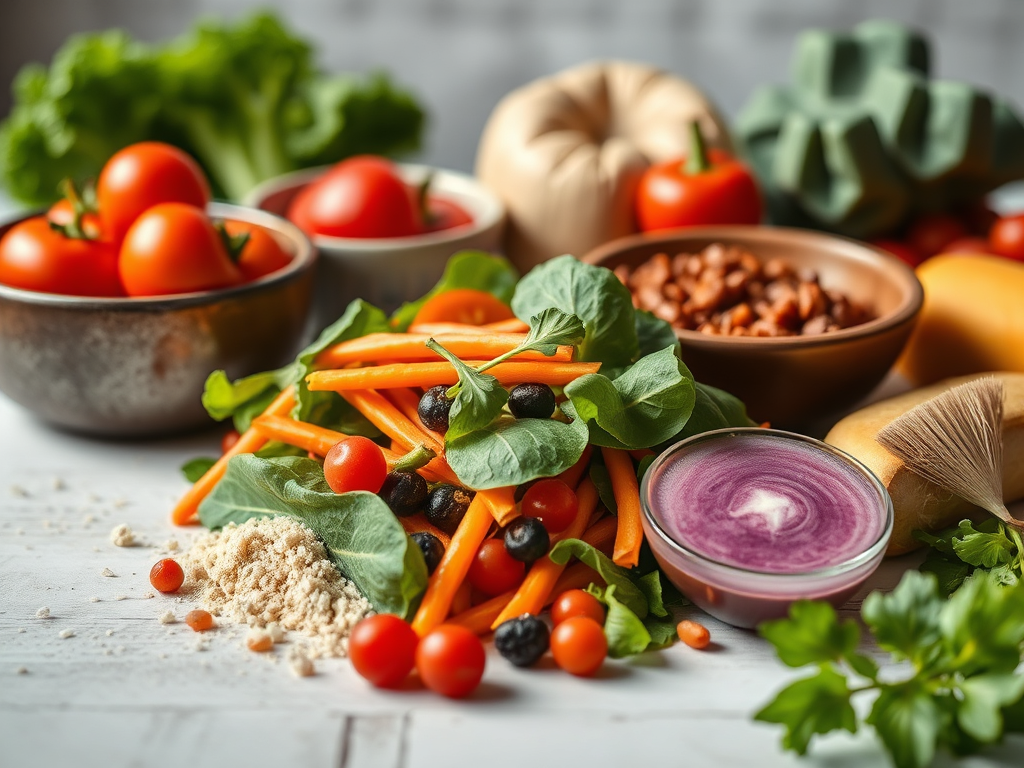
Integrating superfoods into a vegetarian diet involves selecting nutrient-dense foods like quinoa, chia seeds, and kale, which provide essential vitamins, minerals, and antioxidants. Begin by incorporating these foods into meals, such as adding chia seeds to smoothies or including kale in salads. Focus on balancing your diet with diverse superfoods to enhance nutrient intake and overall health, while being mindful of potential allergens or digestive sensitivities that may arise with some superfoods.
Understanding Superfoods and Their Benefits
Superfoods are nutrient-rich foods that are particularly beneficial for health and well-being. They are typically high in vitamins, minerals, antioxidants, and other essential compounds that can support various bodily functions. Integrating these foods into a vegetarian diet is crucial, as it can help ensure adequate nutrient intake, especially for those who may be at risk of deficiencies, such as vitamin B12, iron, and omega-3 fatty acids.
For vegetarians, superfoods can provide a concentrated source of essential nutrients that may be less abundant in a plant-based diet. For example, foods like spirulina and nutritional yeast are excellent sources of protein and B vitamins, making them ideal for enhancing overall nutrition. The incorporation of superfoods not only boosts the nutrient profile of meals but also introduces a variety of flavors and textures, making meals more enjoyable and satisfying.
Top Superfoods for Vegetarians
When selecting superfoods for a vegetarian diet, aim for a diverse range that offers various health benefits. Here are some top choices:
- Quinoa: A complete protein that contains all nine essential amino acids, quinoa is also rich in fiber and minerals like magnesium and iron.
- Chia Seeds: Packed with omega-3 fatty acids, fiber, and protein, chia seeds can be easily added to smoothies, oatmeal, or baked goods.
- Kale: A leafy green high in vitamins A, C, and K, kale is a versatile ingredient that can be used in salads, smoothies, or as a cooked side dish.
- Berries: Blueberries, strawberries, and acai berries are rich in antioxidants and vitamins, making them great additions to breakfast bowls or snacks.
- Nuts and Seeds: Almonds, walnuts, and pumpkin seeds provide healthy fats, protein, and essential nutrients, perfect for snacking or adding to meals.
Each of these superfoods can enhance your diet, providing a range of health benefits while ensuring you meet your nutritional needs.
Practical Ways to Incorporate Superfoods
Incorporating superfoods into your vegetarian diet can be both simple and enjoyable. Here are practical methods to start integrating these nutrient-dense foods:
- Start Your Day Right: Add chia seeds or hemp seeds to your morning smoothie or oatmeal. This not only boosts your nutrient intake but also helps keep you full longer.
- Mix into Salads: Incorporate supergreens like kale or spinach into your salads, and top them with nuts or seeds for added crunch and nutrition.
- Snack Smart: Choose superfood snacks such as energy balls made with nut butter, oats, and dried fruits, or opt for trail mixes that include nuts and seeds.
- Experiment with Recipes: Try new recipes that feature superfoods, such as quinoa bowls, smoothie bowls topped with berries, or soups enriched with lentils and vegetables.
- Stay Hydrated: Consider adding spirulina powder or powdered greens to your water or smoothies for a nutrient boost without added calories.
By incorporating these practical strategies, you can easily enhance your meals while enjoying the benefits of superfoods.
Common Mistakes When Adding Superfoods
While integrating superfoods into your vegetarian diet can be beneficial, there are common pitfalls to avoid:
- Over-Reliance on One Food: Focusing too heavily on one superfood may lead to nutrient imbalances. Aim for variety to ensure you’re getting a broad spectrum of nutrients.
- Ignoring Allergies or Sensitivities: Some superfoods can trigger allergies or digestive issues. Be mindful of how your body reacts when introducing new foods.
- Neglecting Whole Foods: While superfoods are nutrient-dense, they shouldn’t replace whole foods like fruits, vegetables, grains, and legumes. Maintain a balanced diet.
- Misunderstanding Nutritional Claims: Not all products labeled as ‘superfoods’ are created equal. Look for whole food sources and avoid heavily processed options.
By being aware of these mistakes, you can more effectively integrate superfoods into your vegetarian diet while maximizing their benefits.
Related Content
- How to Determine if a Superfood Is Processed: Key Signs and Practical Steps
- What Are Common Mistakes People Make With Whole Food Nutrition?
- How to Start a Whole Food Superfood Routine (Step-by-Step)
- Recognizing Signs of Nutrient Imbalances With Superfoods: Symptoms, Causes, and Remedies
- Coconut Water Nutrition for Hydration Decisions—Electrolytes, Sugar, and When It Fits