
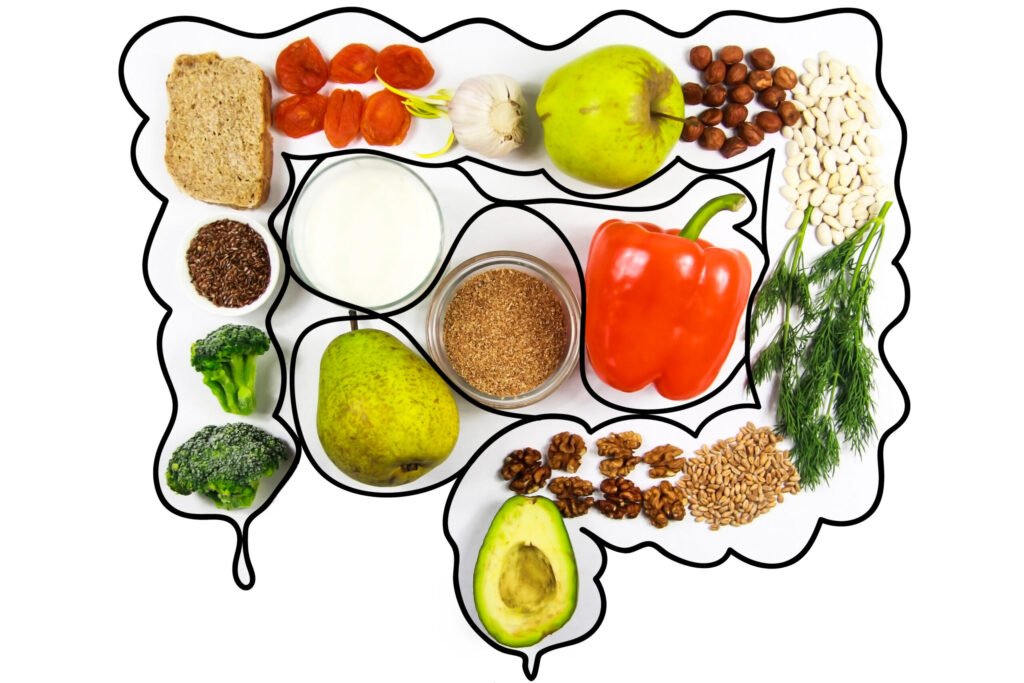
If a superfood triggers digestive issues, the first step is to identify which specific food is causing the reaction by maintaining a detailed food diary. Symptoms like bloating, gas, or stomach cramps can indicate sensitivity to certain superfoods. To mitigate discomfort, reintroduce these foods gradually, one at a time, to determine the culprit. It may also be beneficial to consult a healthcare professional for personalized dietary advice and to explore alternative options that provide nutritional benefits without adverse effects. This approach allows you to enjoy superfoods while minimizing digestive distress.
Understanding Digestive Reactions to Superfoods
Digestive reactions to superfoods can arise from various factors, including individual sensitivities and the body’s ability to process specific nutrients. Common reactions may include bloating, gas, or diarrhea, which often occur when introducing new foods too quickly. Understanding the underlying mechanisms can help you better navigate these reactions and adjust your diet accordingly. For instance, some superfoods contain high levels of fiber or specific compounds that can be difficult for some individuals to digest, leading to discomfort.
It’s essential to recognize that not everyone will experience digestive issues from the same superfood. Factors such as existing gut health, the presence of food intolerances, and the preparation method of the food can all influence how your body reacts. Keeping a food diary can help track which superfoods trigger symptoms, making it easier to identify patterns over time.
Common Superfoods That May Cause Issues
While superfoods are often praised for their health benefits, certain varieties can lead to digestive distress. Some common superfoods that may cause issues include:
- Chia Seeds: High in fiber, chia seeds can cause bloating and gas if consumed in excess or without sufficient hydration.
- Kale and Other Leafy Greens: These foods are high in fiber and can lead to gas and cramping, especially in individuals with sensitive digestive systems.
- Quinoa: Though a great source of protein, quinoa can cause bloating in some due to its saponin content, which may irritate the gut.
- Beets: High in fiber and natural sugars, beets can sometimes lead to digestive upset for those who are sensitive.
- Fermented Foods: While beneficial for gut health, foods like kimchi and sauerkraut can cause gas and bloating, especially for those not used to high levels of probiotics.
Identifying which superfoods cause digestive issues is key to maintaining a balanced diet. Gradual introduction of these foods, along with monitoring your body’s reactions, can help you enjoy their benefits without discomfort.
Steps to Address Digestive Distress
If you experience digestive issues after consuming a superfood, follow these steps to alleviate discomfort and adjust your diet:
- Identify the Culprit: Keep a detailed food diary to note which superfoods trigger symptoms. Document the time of consumption and the specific reactions you experience.
- Eliminate and Reintroduce: Temporarily remove suspected superfoods from your diet and observe if symptoms improve. Gradually reintroduce them one at a time to pinpoint the specific food causing issues.
- Stay Hydrated: Ensure you drink plenty of water, especially when consuming high-fiber foods, to aid digestion and mitigate bloating.
- Consider Preparation Methods: Cooking superfoods can sometimes make them easier to digest. For example, steaming kale or soaking quinoa may reduce potential digestive discomfort.
- Monitor Portion Sizes: Start with small portions of superfoods to allow your digestive system to adjust gradually.
By taking these actionable steps, you can minimize digestive distress while still enjoying a variety of nutrient-rich superfoods.
Consulting Professionals for Dietary Guidance
If digestive issues persist despite making adjustments, consider consulting a healthcare professional or a registered dietitian. They can provide personalized dietary advice and help identify any underlying conditions contributing to your symptoms.
A professional can also assist in creating a balanced meal plan that includes superfoods while considering your unique digestive needs. This guidance can be invaluable in navigating food sensitivities and ensuring you receive the necessary nutrients without discomfort.
Frequently Asked Questions
What are the symptoms of digestive issues caused by superfoods?
Common symptoms include bloating, gas, stomach cramps, and diarrhea, which can vary based on the individual and the specific superfood.
How can I identify which superfood is causing digestive issues?
Keep a food diary to track what you eat and any associated symptoms, then eliminate and reintroduce foods to pinpoint the culprit.
Are there any superfoods that are generally easier to digest?
Cooked vegetables, bananas, and oats are generally easier on the digestive system compared to high-fiber or raw superfoods.
Should I consult a doctor if I have persistent digestive issues?
Yes, consulting a healthcare professional can help identify underlying issues and provide personalized dietary advice.
Can I still eat superfoods if I have digestive issues?
Yes, but it’s important to identify which specific superfoods cause issues and find alternatives or adjust preparation methods accordingly.
Conclusion
Addressing digestive issues related to superfoods requires a thoughtful approach that includes identifying triggers, adjusting consumption habits, and seeking professional guidance when necessary. Keeping a food diary and being mindful of preparation methods can help manage symptoms effectively. Ultimately, with careful planning and monitoring, you can continue to enjoy the health benefits of superfoods while minimizing discomfort.
Related Content
- How to Choose Superfoods Based on Personal Health Goals: A Strategic Approach to Nutrition
- What To Do If You Experience Cravings After Eating Whole Foods: Causes, Timing, And Satisfying Meal Adjustments
- Why Some Superfoods May Not Suit Your Taste Preferences: Understanding Flavor Profiles and Personal Choices
- Explore Our Site
- Jasper Sinclair