
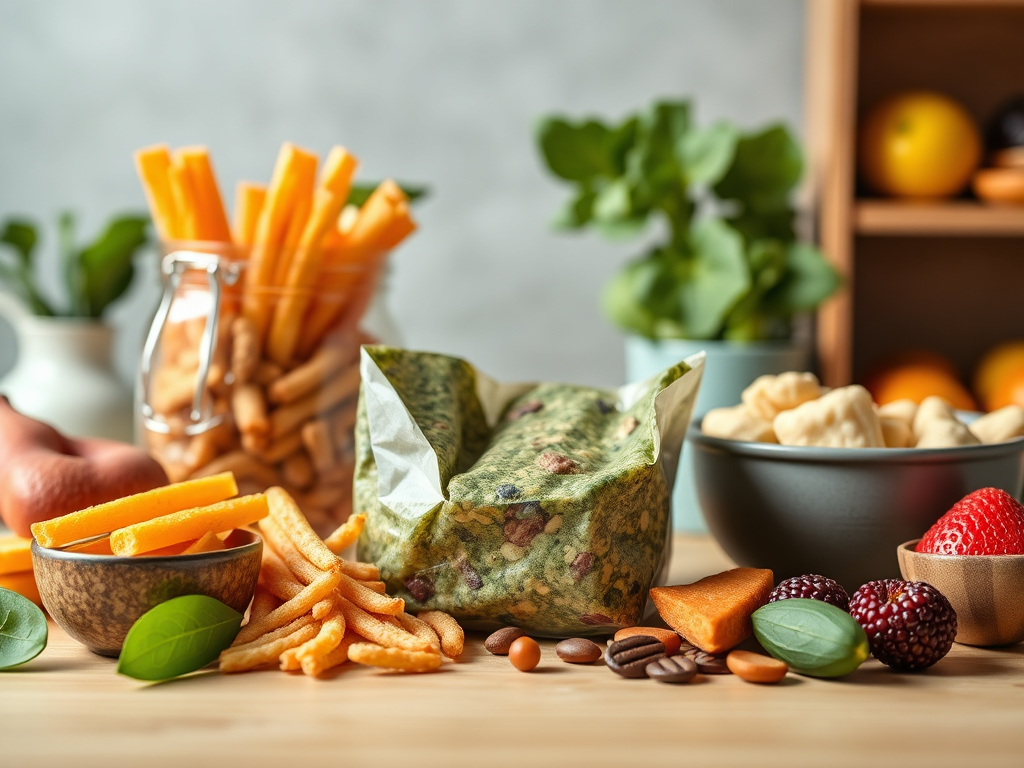
Relying too heavily on superfood snacks can lead to nutritional imbalances, inadequate calorie intake, and potentially adverse health effects. While superfoods are often praised for their dense nutrient profiles, consuming them exclusively may overshadow the need for a balanced diet rich in a variety of foods. This can result in deficiencies in essential nutrients that are not present in these snacks, impacting overall well-being. It's crucial to incorporate a diverse range of whole foods to ensure comprehensive nutrition.
Understanding Nutritional Imbalances
Superfood snacks are often marketed as nutrient-dense alternatives to traditional snacks, but relying exclusively on them can create significant nutritional imbalances. Many superfoods, such as acai berries or kale chips, are high in specific vitamins, minerals, and antioxidants. However, they may lack essential macronutrients like protein and healthy fats that are crucial for overall health.
For instance, while a kale chip may provide a good source of vitamin K, it does not supply enough protein to meet daily requirements. A diet that skews too heavily towards superfoods can lead to deficiencies in important nutrients like iron, calcium, and omega-3 fatty acids, which are prevalent in other food groups such as dairy, meat, and fatty fish.
Moreover, the concept of superfoods can sometimes mislead consumers into thinking that consuming these snacks alone can fulfill their dietary needs. This misconception can divert attention from the importance of a balanced diet that includes a variety of food sources.
The Risks of Inadequate Caloric Intake
Another pressing issue with relying on superfood snacks is the risk of inadequate caloric intake. Many superfoods are low in calories, which can be misleading when individuals use them as primary snacks. This can lead to unintentional weight loss and fatigue, as the body may not receive the necessary energy to function optimally.
For example, a person who replaces regular meals with superfood smoothies might find themselves consuming far fewer calories than required. This can result in decreased energy levels, poor concentration, and a weakened immune system. To avoid this, it is essential to ensure that snacks are complemented by other food groups that provide adequate caloric intake.
In practical terms, it’s important to monitor how many calories are consumed throughout the day and to ensure that the diet includes sufficient energy sources. Incorporating whole grains, healthy fats, and proteins alongside superfoods can help maintain balanced energy levels.
Long-term Health Effects
Over time, a diet excessively reliant on superfood snacks can lead to various long-term health effects. Chronic deficiencies in essential nutrients can contribute to health issues such as osteoporosis, anemia, and cardiovascular problems. For instance, inadequate calcium and vitamin D intake can weaken bones, increasing the risk of fractures later in life.

Furthermore, the reliance on superfoods can create a skewed perception of health. Individuals may start to believe that simply consuming these foods can offset other unhealthy dietary choices. This mindset can lead to poor overall eating habits, which may include excessive consumption of processed foods or sugars alongside the ‘healthy’ superfood snacks.
Long-term studies indicate that balanced diets rich in a variety of nutrients are associated with better health outcomes compared to diets that focus on a limited range of foods. It’s crucial to understand that no single food or snack can provide all the nutrients needed for optimal health.
Practical Guidance for Balanced Snacking
To maintain a healthy diet while enjoying superfood snacks, it is essential to incorporate them into a broader eating strategy. Here are some practical tips for balanced snacking:
- Combine Superfoods with Other Foods: Pair superfood snacks with protein sources such as Greek yogurt or nuts to create a more balanced snack.
- Monitor Portion Sizes: Be mindful of portion sizes to avoid excessive calorie restriction while still enjoying superfoods.
- Diversify Your Diet: Ensure your diet includes a variety of whole foods, such as fruits, vegetables, whole grains, and lean proteins.
- Educate Yourself: Learn about the nutritional value of different foods to make informed choices that support overall health.
- Consult a Nutritionist: If unsure about dietary choices, consider consulting a nutritionist for personalized advice.
By integrating these practices, individuals can enjoy the benefits of superfood snacks without compromising their overall nutritional health.