
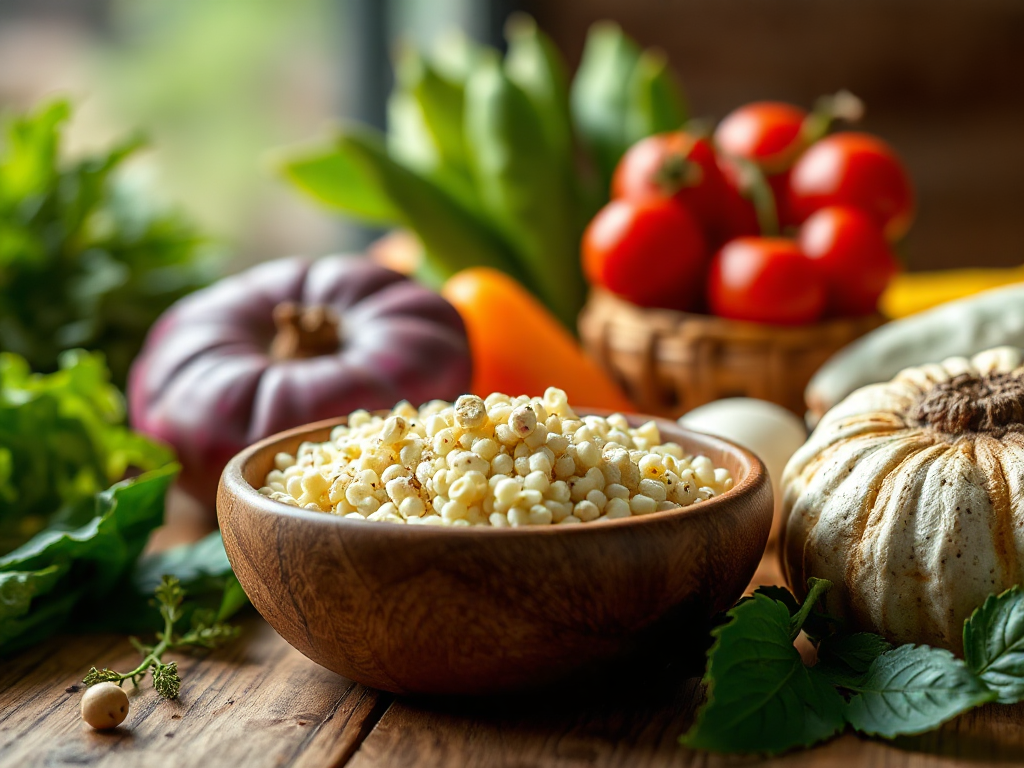
Evaluating the nutritional value of lesser-known superfoods involves examining their unique nutrient profiles, potential health benefits, and how they fit into a balanced diet. Many of these foods, such as amaranth and spirulina, offer rich sources of vitamins, minerals, and antioxidants that contribute to overall health. However, it's essential to consider factors like bioavailability and individual dietary needs. This approach helps in making informed dietary choices that enhance nutritional intake while avoiding common misconceptions about superfoods.
Understanding Superfoods
Superfoods are often hailed for their exceptional nutrient density and health benefits. However, the term can be vague, and lesser-known superfoods may not receive the attention they deserve. Evaluating these foods requires a clear understanding of what constitutes a superfood, which typically includes high levels of vitamins, minerals, and antioxidants. This section explores the definition of superfoods and highlights why lesser-known varieties can be just as beneficial as their more popular counterparts.
Many lesser-known superfoods, such as moringa, quinoa, and chia seeds, are rich in essential nutrients and can provide unique health benefits. For instance, moringa leaves are packed with vitamins A, C, and E, which are known for their antioxidant properties. Quinoa is a complete protein, containing all nine essential amino acids, making it an excellent choice for vegetarians and vegans. Understanding these distinctions is crucial for anyone looking to enhance their diet with nutrient-dense options.
Nutritional Profiles of Lesser-Known Superfoods
When evaluating the nutritional value of lesser-known superfoods, it’s essential to look beyond the headlines and understand their specific nutrient compositions. Foods like amaranth, teff, and seaweed have unique profiles that can significantly impact health.
Amaranth, for example, is a gluten-free grain that provides a high amount of protein, iron, and magnesium. It also contains lysine, an amino acid often lacking in grains. Teff, another ancient grain, is rich in calcium and fiber, making it a great addition to a balanced diet. Seaweed, often overlooked, is a powerhouse of iodine and other trace elements necessary for thyroid function.
To effectively incorporate these superfoods, one must consider their nutrient density in relation to daily dietary needs. This evaluation not only involves looking at macronutrients but also understanding how these foods can complement existing dietary habits.
Health Benefits Beyond the Basics
Lesser-known superfoods often come with health benefits that extend beyond basic nutrition. For instance, the anti-inflammatory properties of turmeric have garnered attention, but lesser-known spices like ashwagandha and black cumin seed oil also offer significant health advantages.
Ashwagandha, an adaptogen, is known for its stress-reducing properties and ability to enhance energy levels. Black cumin seed oil has been linked to improved immune function and reduced inflammation. These benefits can make a substantial difference in overall health, especially when integrated into a well-rounded diet.
It’s important to approach the health claims surrounding these superfoods with a critical eye, as not all claims are backed by strong scientific evidence. Evaluating the nutritional value of lesser-known superfoods should involve a balance of personal health goals, existing conditions, and the latest research findings.
Incorporating Superfoods into Your Diet
Integrating lesser-known superfoods into your diet can be both enjoyable and beneficial. Start by gradually introducing these foods into familiar recipes. For example, adding chia seeds to smoothies or using amaranth in salads can enhance nutritional value without overwhelming your palate.
Cooking methods also play a significant role in retaining the nutritional benefits of these foods. For instance, steaming vegetables like broccoli can preserve their vitamin C content better than boiling. Understanding how to prepare and combine these superfoods effectively can maximize their health benefits.
Additionally, it’s essential to consider individual dietary restrictions and preferences. Some people may have allergies or intolerances that affect their ability to consume certain superfoods. Being aware of these factors allows for a more tailored approach to nutrition, ensuring that each addition serves a purpose without causing adverse effects.
For those interested in exploring more about the benefits and uses of lesser-known superfoods, reputable sources include nutrition journals, health websites, and books by registered dietitians. These resources provide valuable insights into how these foods can fit into a healthy lifestyle.
Related Content
- How Long Does It Take To See Benefits From Eating Superfoods?
- Understanding the Cost-Effectiveness of Organic Superfoods: Evaluating Nutritional Value, Long-Term Benefits, and Budget-Friendly Choices
- Nutritional Benefits of Lesser-Known Superfoods: Unique Foods for Enhanced Wellness
- How Whole Food Superfoods Support Immune Health (The Natural Way)
- Challenges With Superfood Meal Prepping: Common Mistakes and Practical Solutions