
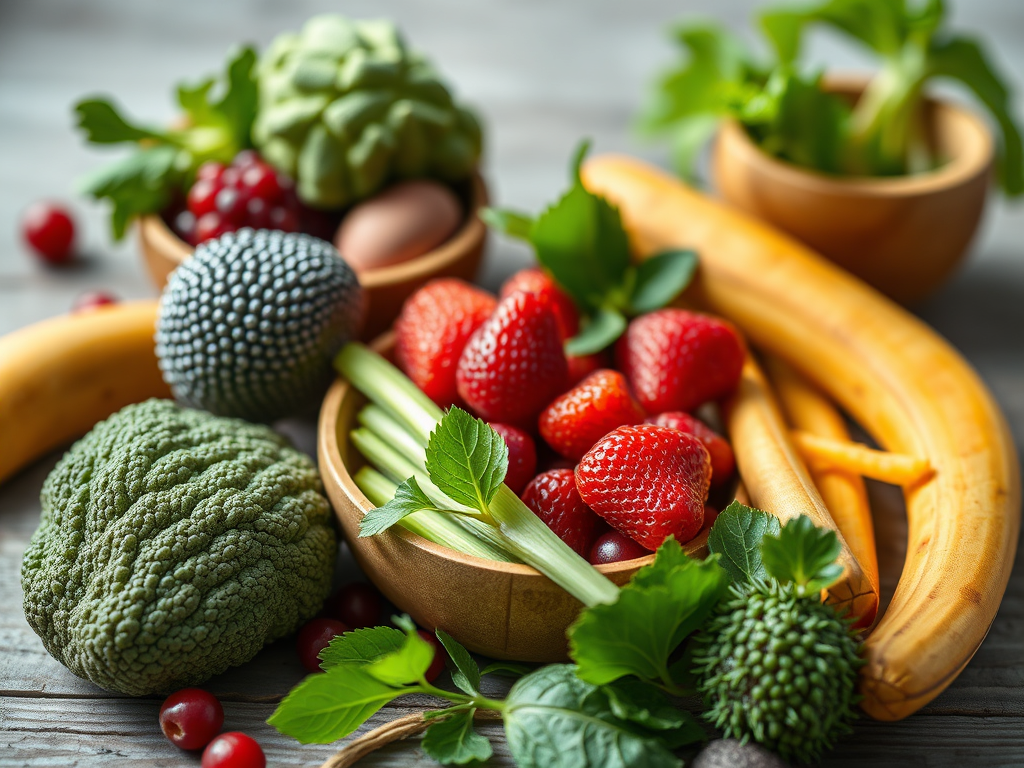
Assess the safety of new superfoods by verifying the plant or ingredient identity, checking how it was grown and processed, reviewing contamination and allergen risks, and introducing a small serving one change at a time. A familiar food form, transparent labeling, and traceable sourcing generally provide more useful reassurance than a “superfood” claim alone. Check for interactions with medicines, pregnancy or nursing concerns, kidney or liver conditions, and unusual concentration in powders or extracts. Stop using the product if symptoms such as hives, breathing trouble, persistent vomiting, or severe diarrhea appear, and seek urgent care for serious reactions.
Define The Ingredient Before Judging Its Risk
Safety assessment begins with identifying exactly what the new superfood is, which plant or organism it comes from, and whether the product is a normal food, powder, extract, beverage, or blend. A name used in marketing may describe several species, plant parts, or preparation methods. Those differences can affect concentration, possible allergens, digestive tolerance, and exposure to naturally occurring compounds.
Read the full ingredient panel rather than relying on the front label. A dried berry, for instance, may contain only the fruit, while a powdered drink may add concentrated extracts, sweeteners, caffeine-containing botanicals, or several ingredients with overlapping effects. The comparison matters: a spoonful of a culinary food is not automatically equivalent to a serving of an extract made from the same source.
Look for the scientific name when the common name is ambiguous, the plant part used, serving size, country of origin, processing method, lot number, expiration date, and complete allergen information. Claims such as “detox,” “ancient,” or “immune” describe positioning, not proof of safety. The absence of a dramatic claim does not make a product unsafe, but a dramatic claim should not substitute for basic identity information.
A common mistake is assuming that a natural ingredient has a predictable risk profile. Natural foods can cause allergy, interact with medicines, carry microbes, or contain compounds that are poorly tolerated at concentrated doses. Conversely, unfamiliar branding does not prove danger. A transparent product made from a clearly identified food may be easier to assess than an opaque blend with a familiar-sounding name.
Before buying, write down three details: the exact ingredient, the form in which it is sold, and the intended serving. If any of those remain unclear, postpone use and look for manufacturer documentation or an alternative product with a simpler formulation. The same scrutiny described in how to assess the safety of new superfoods is especially useful when comparing a whole food with its concentrated powder.
Check Sourcing, Processing, And Contamination Controls
Origin and processing influence safety because crops and aquatic ingredients can be exposed to soil contaminants, polluted water, microbes, pesticides, heavy metals, or storage problems. Drying reduces water but does not erase every hazard, and grinding can distribute contamination throughout a batch. Products imported from distant regions may also use unfamiliar names or have limited traceability, making documentation more important.
Choose packaging that identifies the manufacturer or responsible business, provides a lot or batch number, states storage conditions, and lists a realistic use-by date. A credible company should be able to explain its quality testing and handling controls without promising that testing makes every risk impossible. Independent certification or testing can add useful evidence, but the precise scope matters: a seal may address organic production, manufacturing practices, identity, or a particular contaminant rather than every safety question.
Inspect the product when it arrives. Broken seals, swollen packaging, unexplained moisture, unusual odor, clumping in a product advertised as dry, or labeling that differs from the listing are reasons to avoid use. Refrigerated or frozen ingredients need prompt temperature control. Foods bought from an open container require more judgment than sealed goods with a clear lot code because the storage history may be unknown.
Consider a powdered sea vegetable sold in a large bag. The central questions are not simply whether sea vegetables are nutritious. Ask whether the species is named, whether the serving is clearly stated, whether the source describes contaminant testing, and whether the product is intended as a food or a highly concentrated supplement. A fresh or frozen food from a traceable seller may offer a lower-complexity trial, though it may have different storage and preparation requirements.
Do not confuse “tested” with “risk-free.” Testing samples can identify problems in a batch, but it cannot guarantee that a product was stored correctly after testing or that a mislabeled ingredient is harmless. Prioritize clear identity, traceability, intact packaging, and relevant quality information over impressive language about purity. When the seller cannot answer basic questions, the sensible alternative is to choose a less concentrated and better-documented form.
Match The Product To Your Health Situation
A food can be reasonable for one person and unsuitable for another because allergies, medical conditions, medication use, age, pregnancy, and dietary restrictions change the risk calculation. Assess the ingredient in the context of the person who will consume it, not as an isolated “healthy” product. A high-fiber seed, mineral-rich sea vegetable, or stimulating botanical may create different concerns than the same ingredient used occasionally in a mixed meal.
Review the label for known allergens and cross-contact statements. If you have reacted to related foods, introduce the item only after discussing the risk with an appropriate clinician. People with kidney or liver disease, swallowing problems, inflammatory bowel conditions, or medically prescribed diets may also need individualized advice, particularly when a product is concentrated or fortified.
Medication interactions deserve specific attention. Botanicals and extracts may alter sedation, blood pressure, blood clotting, blood sugar, or the way medicines are metabolized; the direction and significance cannot be inferred from the ingredient’s reputation. A pharmacist can check the exact product, dose, and medicine list more effectively than a generic online interaction chart. Pregnancy and breastfeeding are additional reasons to avoid experimenting with poorly characterized extracts without professional guidance.
Whole-food use and supplement-style use should not be treated as interchangeable. Adding a small amount of a clearly identified seed to breakfast usually creates a different exposure than taking a concentrated capsule or several scoops of a powder. The whole-food option may be easier to portion and evaluate, while the packaged product may be more convenient but harder to interpret because of blends, extracts, or added compounds.
Use a short personal screen before trying the item:
- Could it contain an allergen or an ingredient excluded from your diet?
- Does its concentrated form raise a medication, pregnancy, or medical-condition concern?
- Can you identify a practical serving and the product’s storage requirements?
- Would a familiar food provide a similar culinary purpose with less uncertainty?
A weak assumption is that a product marketed for general wellness is suitable for everyone. If the label uses therapeutic language, hides the amount of each blend component, or recommends escalating doses, treat that as a reason for closer review rather than evidence of greater value. The safer choice may be to skip the product, not find a way to fit it into the diet.
Use A Controlled Introduction And Monitor The Result
Introduce a new item in a controlled way so that any reaction can be linked to the likely cause. Use a small amount at a time when you can observe how you feel, and avoid adding several unfamiliar foods or supplements during the same period. This approach does not prove that a product is safe, but it reduces confusion and limits unnecessary exposure if the item causes trouble.
For a new powdered fruit, start with the label’s smallest reasonable serving rather than copying an influencer’s recipe or treating a heaped spoon as a standard measure. Mix it into a familiar meal, keep the rest of the ingredients unchanged, and note the date, amount, preparation, and symptoms. A food diary is particularly useful when digestive effects develop gradually rather than immediately.
Notice timing and severity. Bloating, loose stool, nausea, itching, flushing, headache, or palpitations may have multiple causes, including the ingredient, an additive, a large dose, spoiled food, or a separate illness. A mild, short-lived digestive change after an unusually large serving does not establish an allergy, while hives, facial swelling, wheezing, or repeated vomiting deserves much more urgent attention.
There is a tradeoff between a single-food trial and normal meal use. A tiny isolated taste may reveal an obvious intolerance but tells you little about how the ingredient works in a realistic recipe. A full serving in a complex smoothie is convenient but makes the source of a reaction difficult to identify. For most low-risk foods, a modest amount in a simple meal is a practical middle ground; concentrated extracts require greater caution and may warrant professional advice before use.
Continue only when the ingredient is tolerated, the serving is clear, and the product remains within its storage and expiration limits. Signs that the trial is not going well include repeat symptoms after each exposure, worsening severity, persistent gastrointestinal distress, or uncertainty about what was consumed. Do not increase the amount merely because no immediate reaction appeared; delayed effects and cumulative exposure can change the picture.
Recognize Warning Signs And Decide What To Do Next
Stop using the product when symptoms repeatedly follow exposure or when the label, packaging, or storage history raises a credible safety concern. Keep the package, lot number, ingredient list, and purchase information. Those details help a clinician, pharmacist, retailer, or relevant food-safety authority investigate the issue and distinguish a reaction to the main ingredient from a problem with an additive or batch.
Emergency symptoms include trouble breathing, throat tightness, faintness, or swelling of the lips, tongue, or face. Seek urgent medical care for those signs. Severe or persistent vomiting, dehydration, bloody diarrhea, confusion, chest symptoms, or rapidly worsening illness also should not be managed by repeatedly testing the food at home. People with known severe allergies should follow their existing emergency plan.
For less urgent symptoms, do not immediately retry the product to “confirm” the cause. Record what happened and discuss the pattern with a healthcare professional, especially if medicines or a medical condition could be involved. A professional may decide that a supervised evaluation, ingredient substitution, or complete avoidance is more appropriate than another home trial.
Reporting a suspected product problem can be useful when the concern involves contamination, mislabeling, illness in more than one person, or a defective package. Contact the seller first for batch details, but do not rely on a refund as evidence that the item is safe. A replacement from the same lot or an unverified seller does not resolve the underlying concern.
The practical decision is not whether the food has a perfect safety record; that standard is unrealistic. Decide whether the expected dietary role justifies the remaining uncertainty. If the ingredient adds a flavor, texture, or nutrient that can be obtained from a well-known food, choosing the simpler substitute may be sensible. If you proceed, retain the label and use a measured serving rather than escalating based on marketing claims.
Frequently Asked Questions
Is a new superfood safe because it is natural?
No. Natural ingredients can cause allergies, interact with medicines, contain contaminants, or become more concentrated during processing. Safety depends on identity, dose, source, preparation, and the person consuming it.
Should I choose a whole food instead of a powder?
A clearly identified whole food is often easier to portion and evaluate, but it is not automatically risk-free. Powders can be convenient while presenting greater uncertainty about concentration, blends, contamination, or serving size.
What label details should I check first?
Check the exact ingredient and plant part, serving size, complete ingredient list, allergens, lot number, expiration date, storage instructions, manufacturer identity, and any available information about relevant quality testing.
How should I test a new food for tolerance?
Use a modest amount in a simple meal, change only one unfamiliar item, and record the timing and symptoms. Do not deliberately retry it after a serious reaction or when an allergy is suspected.
When should I ask a professional before trying it?
Ask a clinician or pharmacist when you are pregnant or breastfeeding, take regular medicines, have kidney or liver disease, manage a significant allergy, or are considering a concentrated extract rather than a normal food serving.
Conclusion
Assessing a new superfood is a process of reducing uncertainty, not validating a marketing promise. Confirm the exact ingredient and form, inspect sourcing and storage information, consider allergies and medicine interactions, then use a measured introduction that leaves other variables unchanged. Whole-food formats may be simpler to evaluate than extracts, but transparent labeling and traceability matter in either case. Treat repeat symptoms, unclear identity, damaged packaging, and unsupported therapeutic claims as reasons to stop and reassess. Keep the label and lot information if a problem occurs, and seek urgent care for breathing difficulty, facial swelling, faintness, or other severe symptoms. A familiar alternative is often the better choice when the proposed benefit is modest but the product’s composition remains uncertain.
Related Content
- Are Superfood Powders Worth It? Pros and Cons
- What tools do i need for whole food meal prep?
- Can Superfoods Replace Multivitamins Effectively: Key Nutritional Insights and Food Choices
- 10 Surprising Benefits of Whole Food Superfoods for Your Health
- Why Some Superfoods Don’t Enhance Athletic Performance: Misunderstood Nutritional Roles and Real-World Impacts