
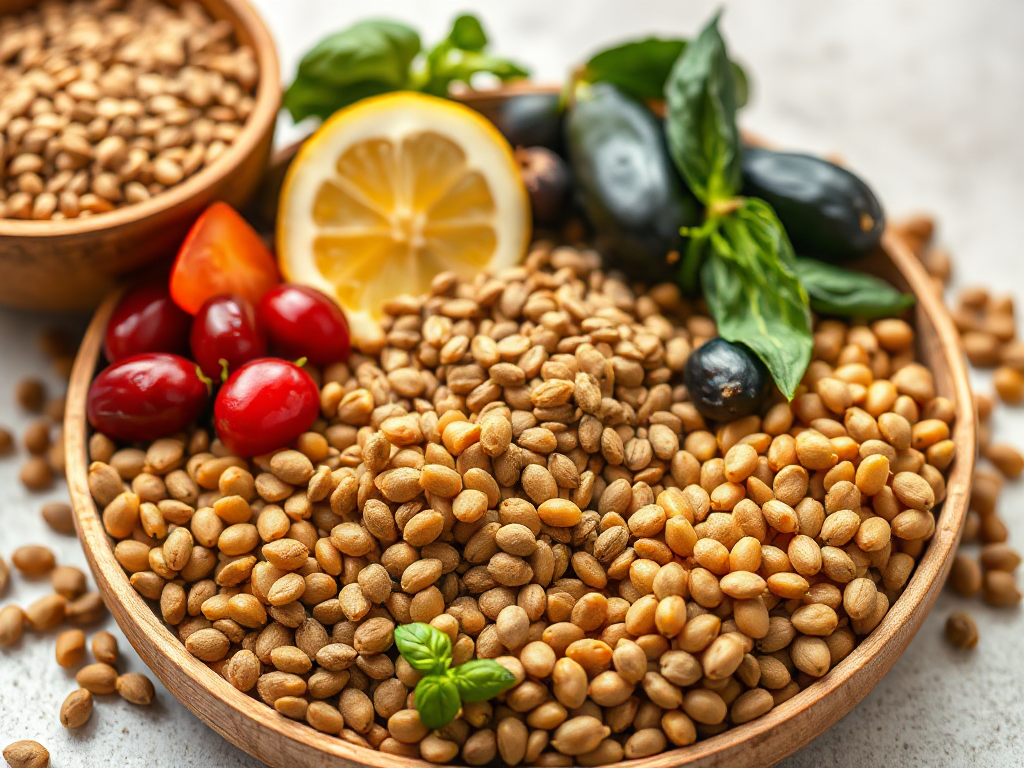
Modify superfood intake for specific diets by matching each ingredient to the diet’s permitted foods, nutrient priorities, portion limits, and preparation rules. Vegan diets may use chia, lentils, berries, and fortified foods, while low-carbohydrate plans need smaller portions of fruit and starchier plants. Gluten-free eating requires checking blended powders, granola, and flavorings for wheat contamination, and low-FODMAP plans may require temporary limits on beans, certain fruits, and large servings of avocado. Compare the whole-food version with any powder, check added sugar and sodium, introduce one change at a time, and seek individualized advice when kidney disease, pregnancy, diabetes, or prescribed treatment affects food choices.
Match Superfoods to the Diet’s Actual Rules
Diet labels rarely provide enough detail to guide every ingredient. “Plant-based,” “low-carb,” “gluten-free,” and “low-FODMAP” plans can all include nutrient-dense foods, but they place different limits on grains, legumes, fruit, dairy, sweeteners, or fermentable carbohydrates. The first useful adjustment is to define the diet’s non-negotiable rule before choosing a so-called superfood. A food is not automatically appropriate because it is rich in antioxidants, minerals, or fiber.
For a vegan pattern, chia seeds, pumpkin seeds, walnuts, berries, beans, tofu, and leafy greens can fit well, but the overall meal still needs reliable protein, calcium, iron, vitamin B12, and iodine sources. A gluten-free pattern can include quinoa, buckwheat, certified gluten-free oats, berries, and seeds; the practical hazard often lies in packaged mixes, shared processing equipment, or flavored powders rather than the plain ingredient itself. A low-carbohydrate plan may retain leafy greens, mushrooms, seeds, and unsweetened cocoa while reducing dates, bananas, sweetened dried fruit, and large servings of grains.
Low-FODMAP eating requires a different mindset because serving size and preparation can change tolerance. Chia, kiwi, firm tofu, and some nuts may be easier choices for some people than large servings of beans, wheat-based products, or certain dried fruits. That does not make the diet a permanent license to avoid every plant food. It is commonly used as a structured elimination and reintroduction process, so professional guidance can help prevent unnecessary restriction.
A common mistake is treating “superfood” as a nutritional category with universal rules. Compare a whole-food choice with the diet’s purpose: someone avoiding gluten needs ingredient and contamination control, while someone limiting carbohydrates needs portion awareness. Use how to modify superfood intake for specific diets as a planning question, not as a reason to add every popular ingredient at once.
Adjust Portions for Carbohydrates, Fiber, and Energy
Portion changes often matter more than eliminating a nutrient-dense food. Seeds, nuts, avocado, dried fruit, oats, and legumes can contribute valuable fiber and minerals, yet they also add calories, carbohydrates, or fermentable compounds. A tablespoon of chia in yogurt or oatmeal is a different dietary decision from a large smoothie containing chia, flax, nut butter, dates, banana, and a sweetened protein powder.
People following low-carbohydrate diets should distinguish between low-starch produce and concentrated carbohydrate sources. Spinach, kale, cucumber, zucchini, and many mushrooms can form a generous base, whereas dates, dried berries, granola, and fruit powders concentrate sugar into small volumes. Whole berries may be easier to portion than juice or dried fruit because their water and fiber increase volume. The tradeoff is that strict carbohydrate targets may still require measuring the serving rather than relying on a food’s health reputation.
Fiber deserves gradual adjustment. A sudden increase in chia, flax, bran, beans, or inulin-containing bars may produce bloating, constipation, or loose stools, especially when fluid intake remains low. Start with one fiber-rich addition, keep the serving modest, and observe digestion for several days. The goal is not the largest possible dose; it is a tolerable amount that fits the rest of the meal.
Energy needs also change the decision. An endurance athlete may benefit from pairing oats, fruit, or legumes with protein before training, while a sedentary person trying to reduce energy intake may prefer berries and seeds in measured portions rather than a calorie-dense smoothie. A common failure mode is replacing a balanced meal with a “superfood” drink that contains little protein and leaves hunger unresolved. Check whether the serving contributes protein, fat, carbohydrate, and volume in proportions suited to the diet and the occasion.
Choose Safer Forms and Read Product Labels
The form of an ingredient can change its nutritional impact and its suitability. Whole berries, frozen spinach, plain lentils, and unsalted seeds generally offer a clearer ingredient profile than blends with syrups, flavor systems, or proprietary mixtures. Powders may be convenient, but they can concentrate caffeine, fiber, sugars, or minerals and may contain ingredients that conflict with an elimination diet.
Label reading is especially important for gluten-free, dairy-free, vegan, and allergy-sensitive diets. Check the full ingredient list rather than the front label. A plant protein powder may include milk derivatives; a granola marketed with berries may contain wheat; a green blend may include inulin, apple powder, or sweeteners that do not suit a low-FODMAP trial. “Natural” wording does not identify the source of a protein, carbohydrate, or sweetener, and it does not replace checking allergen statements or certification details.
Compare three versions of the same idea: plain oats cooked with berries, an instant flavored oat packet, and a bottled oat smoothie. The first gives the cook control over sweetness and portion size. The second may be convenient but can include added sugar and sodium. The third may be useful when refrigeration or preparation is limited, but its liquid form can make rapid consumption and large portions easy. None is automatically right or wrong; the best choice depends on the diet’s restrictions and the reader’s practical setting.
Supplements require extra caution. Concentrated extracts can differ substantially from the food they came from, and evidence for a supplement’s claimed benefit may be mixed. People taking medication, managing kidney or liver disease, pregnant individuals, and anyone preparing for a procedure should ask a qualified clinician or pharmacist about concentrated products. For most diet adjustments, begin with a recognizable food and use a powder only when its ingredients, serving, and purpose are clear. The diet-specific intake plan should make label checks routine rather than an afterthought.
Build, Test, and Refine a Daily Plan
A workable plan uses a small number of foods that solve a specific nutritional or practical problem. Begin by identifying the diet’s likely gap: a vegan eater may need a dependable B12-fortified food and varied protein; a gluten-free eater may need convenient whole-grain alternatives; a low-carbohydrate eater may need more non-starchy vegetables; a low-FODMAP eater may need tolerated fiber sources during reintroduction. Adding an ingredient without identifying the gap often creates complexity without improving the meal.

Use a simple sequence: choose the base meal, add one suitable nutrient-dense ingredient, set the portion, and record the response. For example, a vegan breakfast could combine fortified soy yogurt, berries, pumpkin seeds, and oats if tolerated. A gluten-free lunch could use quinoa, tofu, roasted vegetables, and a labeled dressing. A lower-carbohydrate dinner might pair salmon or tofu with leafy greens, mushrooms, olive oil, and a measured portion of seeds. A low-FODMAP trial could use firm tofu, kiwi, and tolerated vegetables while following a structured reintroduction plan.
- Working signs: the meal fits the diet, remains satisfying, causes no new symptoms, and can be prepared consistently.
- Warning signs: repeated bloating, unexplained fatigue, persistent hunger, accidental exposure to a restricted ingredient, or reliance on multiple powders.
- Next adjustment: change one variable—portion, ingredient, preparation, or timing—rather than abandoning several foods together.
Timing should serve the diet and the person, not a rigid wellness claim. Fiber-heavy foods may be more comfortable earlier in the day for someone who notices evening bloating. A carbohydrate-containing superfood may be more useful around exercise than as an automatic snack. Fat-rich nuts and seeds can improve meal staying power, but large portions may work against an energy-reduction goal. Keep a short food-and-symptom record when testing changes, but do not interpret one uncomfortable meal as proof that an entire food group is harmful.
Seek individualized nutrition support when the diet is medically prescribed, excludes several food groups, or produces ongoing symptoms. The practical aim is a varied, adequate pattern that can be maintained—not the highest possible number of fashionable ingredients. For more context, see diet-specific superfood choices alongside guidance from qualified nutrition professionals.
Frequently Asked Questions
Can every diet include the same superfoods?
No. Suitability depends on the diet’s rules, portion size, preparation, allergies, symptoms, and medical needs. A food may fit one pattern but conflict with another.
Are superfood powders better than whole foods?
Not automatically. Whole foods usually make ingredients and portions easier to assess, while powders offer convenience but may concentrate sugars, fiber, stimulants, or added ingredients.
How should low-carb eaters handle fruit-based superfoods?
Favor measured servings of whole berries over juices, dates, or large amounts of dried fruit, and account for the total carbohydrate content of the meal.
What is the safest way to test a new food?
Introduce one food or product at a modest serving, keep the rest of the diet stable, and note digestion, hunger, energy, and any suspected reaction before changing another variable.
When should a dietitian or clinician be involved?
Seek professional advice for medically prescribed diets, pregnancy, kidney or liver disease, diabetes, persistent digestive symptoms, food allergies, or supplement use alongside medication.
Conclusion
Modifying superfood intake works best when the diet’s actual restrictions come before the ingredient’s reputation. Select foods that address a clear need, compare whole foods with powders, measure concentrated carbohydrates and calorie-dense seeds, and increase fiber gradually. Gluten-free shoppers should inspect labels and contamination statements; low-FODMAP eaters should treat restriction as a structured process with reintroduction rather than permanent avoidance; vegan eaters should protect adequacy with dependable fortified foods and varied protein. Test one change at a time and watch for both success signals—comfortable digestion, adequate fullness, and reliable preparation—and warning signs such as fatigue or recurring symptoms. When medical conditions or medications affect the decision, personalized guidance is safer than trial and error.
Related Content
- How to Choose Superfoods That Fit Dietary Restrictions: A Practical Approach for Healthier Choices
- What to Do If Whole Foods Are Too Costly: Budget-Friendly Strategies for Healthy Eating
- Plant Forward Diet Principles For Balanced Eating Through Better Plate Design
- How to Recognize Signs of Food Intolerances with Superfoods: Symptoms, Testing, and Dietary Adjustments
- High-Calorie Foods With Useful Nutrients: Whole-Food Sources, Tradeoffs, and Smart Uses