
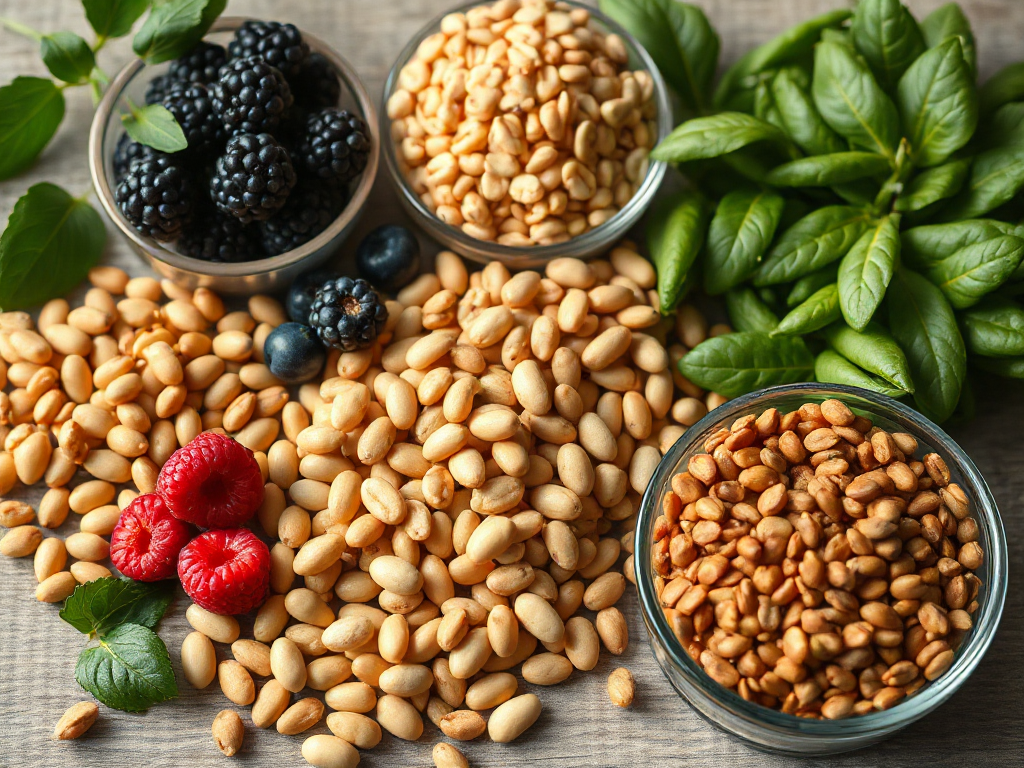
Identify effective superfoods for weight loss by comparing their calorie density, fiber and protein content, portion practicality, and ability to replace less filling foods. Berries, beans, lentils, leafy greens, oats, plain yogurt, and nuts can be useful, but their value depends on serving size and what they displace in the meal. A food marketed as a superfood may still hinder progress when it comes as a sweetened powder, juice, oversized snack, or calorie-dense topping. Track hunger, satisfaction, preparation effort, and overall portions for two to three weeks rather than judging one ingredient in isolation.
What Makes a Superfood Useful for Weight Loss
A useful superfood is not defined by a fashionable label. It is a minimally processed food that delivers valuable nutrients, fits a sensible portion, and makes the rest of a meal easier to manage. The practical question is whether it helps you feel satisfied with an appropriate amount of energy, not whether it has an impressive list of antioxidants or minerals.
Satiety usually comes from a combination of volume, fiber, protein, water, and eating enjoyment. A bowl of berries can add sweetness and volume for relatively few calories, while lentils contribute fiber and plant protein that may make a meal more filling. By contrast, a dried-fruit snack may look wholesome but contain several servings of fruit in a small handful. The ingredient can be nutritious and still be easy to overeat.
Consider what the food replaces. Adding chia seeds, nuts, or avocado to an already complete breakfast may increase calories without reducing later hunger. Using beans in place of part of a high-fat meat portion can change the meal’s energy density while preserving texture and satisfaction. That replacement effect is often more relevant than a food’s reputation.
A strong choice should also survive real conditions. A food that requires expensive specialty shopping, complicated preparation, or a flavor you dislike may not remain in your routine. Frozen vegetables, canned beans rinsed under water, oats, apples, plain yogurt, and eggs may outperform more exotic options simply because they are available and easy to use. The related question of how to identify effective superfoods for weight loss is therefore partly a question of habit design.
How to Compare Fiber, Protein, Calories, and Portions
Compare candidate foods using the nutrition facts panel, ingredient list, and serving size together. Fiber can slow eating and add bulk, while protein often contributes to meal satisfaction and helps a food function as more than a garnish. Calories still matter because healthy ingredients are not automatically low-calorie. A food becomes more useful when its nutrient contribution is substantial relative to the portion people are likely to eat.
Start with the form of the food. Whole fruit generally requires more chewing than juice and retains its fiber. Steel-cut or rolled oats usually create a more substantial meal than a sweetened oat bar. Plain yogurt offers a different portion experience from a flavored dessert-style product. A powdered green drink may provide selected nutrients, but it is not equivalent to a plate of vegetables for volume, chewing, or meal satisfaction.
Portion awareness is especially important for nuts, seeds, nut butters, oils, granola, dried fruit, and avocado. These foods can have a place in a weight-loss diet, but their fat content makes small serving changes meaningful. Measure a nut butter portion for the first few uses, or pair a modest amount with oats and fruit rather than eating it directly from the jar. The aim is not to avoid energy-dense foods; it is to give them a defined role.
A simple comparison can prevent weak assumptions:
- High-volume options: leafy greens, mushrooms, tomatoes, cucumbers, berries, and broth-based vegetable soups can enlarge meals without relying heavily on added fats.
- Filling anchors: beans, lentils, plain Greek-style yogurt, fish, tofu, eggs, and poultry can make a meal more substantial through protein and, in some cases, fiber.
- Concentrated additions: nuts, seeds, cacao products, dried fruit, oils, and powders may be nutritious but require tighter portions.
Do not treat a high fiber or protein number as a guarantee. Individual digestion, preferences, medical conditions, and the rest of the meal affect the result. Increasing beans rapidly may cause gastrointestinal discomfort, and a protein-rich product with added sugar may be less useful than a simpler whole-food alternative. Check both the nutrient profile and the eating context.
Whole-Food Choices That Fit Real Meals
The most dependable candidates are foods that can anchor or improve ordinary meals. Oats with berries and plain yogurt provide a practical combination of carbohydrate, fiber, and protein. Lentils can extend a soup, salad, or grain bowl while reducing reliance on a larger meat portion. Leafy greens and cruciferous vegetables add volume, but they work better when paired with a satisfying protein and a measured dressing.
Berries are often easier to portion than dried fruit because their water content creates more physical volume. Beans and lentils are usually more filling than a refined starch used alone, although a large serving of cheese, oil, or creamy sauce can change the meal’s energy balance. Plain yogurt may be a useful substitute for a sweet snack, but flavored varieties vary widely in added sugar and serving size. These comparisons show why food combinations matter more than isolated superfood status.
Use a candidate as a replacement, anchor, or volume builder:
- Replacement: swap part of a calorie-dense ingredient for beans, vegetables, fruit, or plain yogurt.
- Anchor: build the meal around a protein- or fiber-containing food so hunger is less likely to return quickly.
- Volume builder: add vegetables, fruit, or soup to make a reasonable portion feel complete.
A realistic example is a lunch of lentils, roasted vegetables, a small serving of whole grains, and a yogurt-based dressing. It may be more sustainable than a salad made mostly from leaves with no satisfying protein, which can lead to grazing later. Another person may prefer a bean-and-vegetable chili because it reheats well and reduces weekday decisions. The best choice is the one that addresses a recurring weakness in your meals.
Budget and convenience should influence selection. Frozen berries can be less wasteful than fresh berries, and canned legumes can be practical when cooking from dry is unrealistic. Rinsing canned beans can reduce some of the added sodium from the packing liquid, though it does not make every prepared product nutritionally identical. If a supplement powder is under consideration, compare its ingredients and serving size with foods that provide similar nutrients, and do not assume the powder offers the same fullness.
Testing Whether a Superfood Actually Works for You
Test one meaningful change at a time for roughly two or three weeks. Keep the rest of the meal pattern reasonably familiar, then observe hunger between meals, portion control at the next meal, energy, digestion, preparation effort, and whether the food is replacing something less filling. This approach is more informative than adding several celebrated ingredients at once and being unable to tell what changed.
Suppose you add oats and berries to breakfast but remain hungry by midmorning. The problem may be insufficient protein, an overly small portion, or a breakfast that you do not enjoy enough to eat consistently. Try adding plain yogurt or eggs before concluding that oats are ineffective. If a large smoothie leaves you hungry despite containing spinach, fruit, and a superfood powder, the liquid format and rapid consumption may be the relevant issue rather than the ingredients themselves.
Look for practical signs that a choice is earning its place. You can serve it consistently, it makes the meal satisfying, it reduces unplanned snacking, and its portion remains predictable. Warning signs include frequent second servings, sweetened versions replacing balanced meals, digestive symptoms, or a belief that the food permits unrestricted treats later. A food that looks excellent on paper but repeatedly triggers overeating is not a strong personal choice.
Record observations without turning the process into a judgment about willpower. A brief note can include the food, approximate portion, meal partners, hunger two hours later, and ease of preparation. Weight change is influenced by the total eating pattern and many non-food factors, so a single day cannot establish effectiveness. The purpose of tracking is to identify a workable pattern, not to prove that one ingredient causes a particular result.
Common Mistakes and Safer Expectations
The most common mistake is treating “superfood” as a weight-loss mechanism. Blueberries, kale, turmeric, cacao, and seeds may contribute useful nutrients, but none overrides total intake, portion size, sleep disruption, stress, medication effects, or an eating pattern that is difficult to sustain. A nutrient-dense food can support a healthier pattern without producing weight loss by itself.
Another mistake is confusing marketing concentration with nutritional quality. Juices, bars, sweetened powders, and bottled smoothies may contain a named ingredient while also supplying added sugars or concentrated calories. Read the full label, identify the serving you will actually consume, and compare the product with a whole-food version. A plain frozen berry blend may be more useful than a premium powder if it creates a more filling snack.
Do not eliminate entire food groups merely because a popular list ranks them poorly. Whole grains, potatoes, dairy, legumes, and fruit can fit weight-loss meals when portions and preparation match your needs. Likewise, do not force foods that cause persistent discomfort. People with diabetes, kidney disease, gastrointestinal conditions, food allergies, or a history of disordered eating may need individualized advice from a qualified clinician or registered dietitian.
Prioritize a small number of repeatable choices rather than building a complicated superfood inventory. Choose one fiber-rich breakfast ingredient, one dependable protein source, two or three vegetables, and fruit that fits your budget. Then adjust based on hunger, digestion, cost, and consistency. The practical value of a food lies in how reliably it improves your actual meals, not in how prominently it appears on a wellness label.
Frequently Asked Questions
Are all superfoods good for weight loss?
No. Nutrient density does not remove the need to consider calories, serving size, preparation, and whether the food reduces or adds to total intake.
Which superfoods are usually most filling?
Beans, lentils, oats, vegetables, berries, plain yogurt, eggs, tofu, and other protein- or fiber-containing foods can be filling, especially when combined in balanced meals.
Can superfood powders help with weight loss?
They may provide selected nutrients, but powders are often less filling than whole foods and may contain added sugar or concentrated calories. Check the label and serving size.
How long should I test a food?
Use a consistent portion for about two to three weeks while observing hunger, digestion, later snacking, convenience, and how the food affects the rest of your meals.
Should I avoid nuts and avocado when losing weight?
Not necessarily. Their nutrients can fit a balanced pattern, but measured portions are useful because their calories are concentrated and easy to underestimate.
Conclusion
Effective choices are identified by their performance in your meals, not by a superfood label. Compare fiber, protein, calorie density, ingredients, and realistic serving sizes, then ask whether the food replaces a less satisfying option or simply adds calories. Favor whole or minimally processed forms when they offer more chewing and volume, and use concentrated foods such as nuts, seeds, dried fruit, and powders with deliberate portions. Test changes one at a time and watch hunger, digestion, preparation demands, and unplanned eating over several weeks. A modest set of affordable foods that you can repeat consistently is more useful than an expensive collection of trending ingredients. If a medical condition, medication, allergy, or eating disorder affects your choices, seek individualized professional guidance rather than relying on general food rankings.
Related Content
- Why Some Superfoods May Not Align With Cultural Diets: Examining Nutritional Conflicts and Dietary Preferences
- Why Choose Whole Food Superfoods?
- How to Identify Effective Superfoods for Specific Health Goals: Foods for Boosting Immunity, Energy, and More
- What Is Superfood Nutrition?
- What To Do If A Superfood Isn’t Meeting Expectations—A Practical Reset For Results