
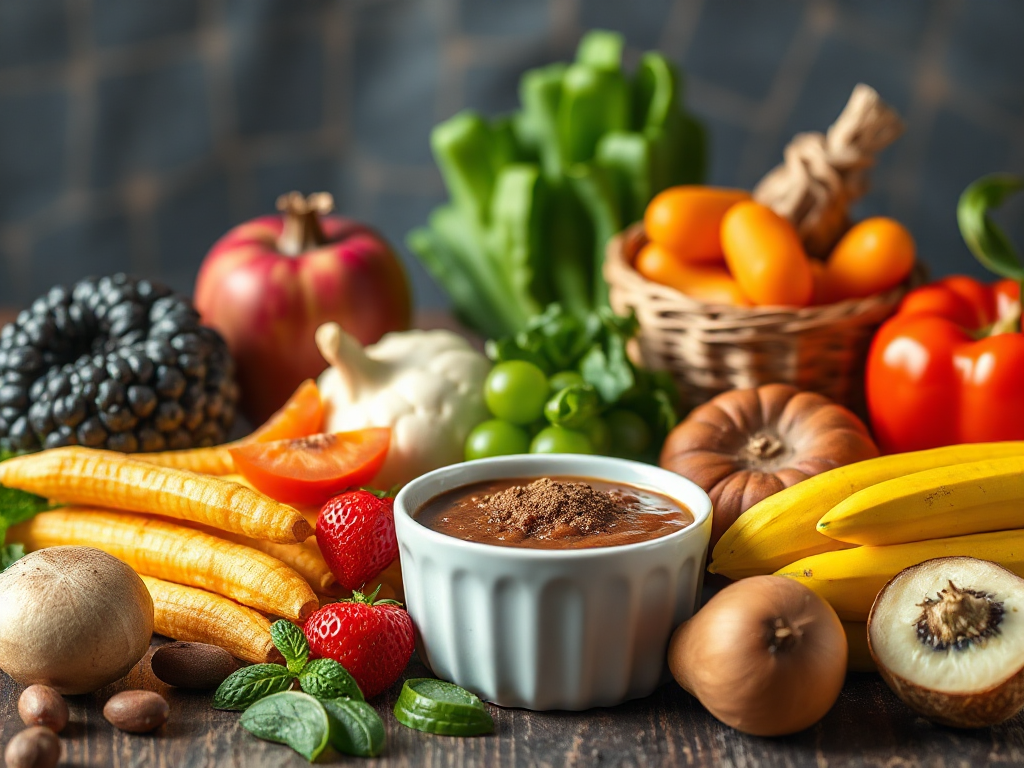
To choose superfoods for immune boost, focus on nutrient-dense options like berries, leafy greens, and nuts that are high in vitamins C and E, antioxidants, and omega-3 fatty acids. These nutrients help strengthen your immune system by reducing inflammation and supporting cellular function. Prioritize whole, unprocessed foods and consider seasonal availability to maximize freshness and nutrient content. Avoid common pitfalls such as relying on processed superfood products that may lack beneficial nutrients.
Understanding Superfoods and Immunity
Superfoods are nutrient-rich foods that provide health benefits and can support various bodily functions, including the immune system. The immune system is crucial for defending the body against pathogens and maintaining overall health. Choosing the right superfoods can enhance immune response, reduce the risk of infections, and promote recovery from illnesses.
It’s important to note that no single food can guarantee immunity; rather, a balanced diet rich in diverse nutrients is essential. Superfoods often come from plant sources and are known for their high levels of vitamins, minerals, and antioxidants, which work synergistically to support immune health.
Key Nutrients for Immune Health
When selecting superfoods for immune support, focus on key nutrients that play vital roles in immune function:
- Vitamin C: This powerful antioxidant helps stimulate the production of white blood cells, essential for fighting infections. Foods high in vitamin C include citrus fruits, strawberries, and bell peppers.
- Vitamin E: Another potent antioxidant, vitamin E enhances immune function by protecting cell membranes. Sources include nuts, seeds, and green leafy vegetables.
- Omega-3 Fatty Acids: Found in fatty fish, flaxseeds, and walnuts, omega-3s can reduce inflammation and promote overall immune health.
- Zinc: This mineral is crucial for immune cell function and can be found in beans, nuts, and whole grains.
- Antioxidants: These compounds, found in various colorful fruits and vegetables, help neutralize free radicals and reduce oxidative stress on the immune system.
Incorporating a variety of these nutrients through superfoods can create a robust defense against illnesses.
Top Superfoods to Consider
Here are some of the most effective superfoods that can support immune health:
- Berries: Blueberries, strawberries, and acai berries are rich in antioxidants and vitamins that enhance immune function.
- Leafy Greens: Spinach, kale, and Swiss chard are packed with vitamins A, C, and K, which are vital for immune health.
- Garlic: Known for its antimicrobial properties, garlic can enhance the immune system’s effectiveness.
- Ginger: This root has anti-inflammatory properties and can help reduce symptoms of illness.
- Citrus Fruits: Oranges, lemons, and grapefruits provide a significant dose of vitamin C, crucial for immune health.
- Nuts and Seeds: Almonds, sunflower seeds, and chia seeds are excellent sources of vitamin E and healthy fats.
Incorporating these superfoods into your daily meals can significantly enhance your immune system.
How to Incorporate Superfoods into Your Diet
Integrating superfoods into your diet doesn’t have to be complicated. Here are some practical tips:
- Start Smoothies: Blend berries, spinach, and a banana for a nutrient-packed breakfast or snack.
- Salads and Bowls: Add leafy greens, nuts, and citrus fruits to salads for a refreshing and immune-boosting meal.
- Cooking with Garlic and Ginger: Use these flavorful ingredients in stir-fries or soups to enhance both taste and health benefits.
- Snack Wisely: Choose nuts and seeds as snacks instead of processed foods to maintain energy and nutrient intake.
Be mindful of portion sizes and balance; while superfoods are beneficial, they should complement a varied diet. Avoid relying solely on superfoods, as a well-rounded diet is essential for overall health.
Frequently Asked Questions
What are superfoods?
Superfoods are nutrient-dense foods that provide significant health benefits, particularly for immune support, due to their high levels of vitamins, minerals, and antioxidants.
Can superfoods prevent illness?
While superfoods can enhance immune function, they cannot guarantee illness prevention. A balanced diet and healthy lifestyle are also crucial.
How often should I eat superfoods?
Incorporate a variety of superfoods into your daily meals to ensure a range of nutrients that support overall health and immune function.
Are there any risks associated with superfoods?
Overconsumption of certain superfoods can lead to imbalances in nutrients. Moderation is key, and a diverse diet is recommended.
Can I rely solely on superfoods for my immune health?
No, while superfoods are beneficial, they should complement a balanced diet rich in various food groups for optimal immune health.
Conclusion
Choosing superfoods for an immune boost involves focusing on nutrient-dense options that provide essential vitamins, minerals, and antioxidants. Incorporate a variety of colorful fruits, vegetables, nuts, and seeds into your diet to enhance your immune system’s function. Remember that a balanced diet is crucial; superfoods should be part of a holistic approach to health. By making informed choices and avoiding common pitfalls, you can effectively support your immune health through nutrition.
Related Content
- How to Choose High Quality Whole Food Superfoods: Key Nutritional Factors and Selection Steps
- How to Assess the Impact of Superfoods on Athletic Performance: Key Foods and Their Effects
- Low-Histamine Food List for Careful Meal Selection by Freshness, Storage, and Tolerance
- Terms of Use
- Plant Forward Diet Principles For Balanced Eating Through Better Plate Design