
Understanding the interplay between diet and hormone regulation is essential. Hormones are responsible for many bodily functions, including metabolism, mood, and reproductive health. An imbalance can lead to various health issues, such as weight gain, mood swings, and fatigue. Therefore, prioritizing the consumption of superfoods can be a proactive approach to ensuring optimal hormonal function. Common mistakes include focusing on processed foods that can disrupt hormonal balance. Instead, a diet rich in whole foods is essential.
Many adults overlook the impact of specific nutrients on their hormonal health. For instance, omega-3 fatty acids found in flaxseeds and fatty fish can significantly influence hormone production and balance. Additionally, antioxidants from fruits and vegetables can combat oxidative stress, which is linked to hormonal imbalances. By understanding these relationships, adults can make informed dietary choices that support their hormonal health.
The Role of Omega-3 Fatty Acids in Hormonal Health
Omega-3 fatty acids are vital for hormone production and regulation. These essential fats, primarily found in flaxseeds, walnuts, and fatty fish, help maintain the structure of cell membranes and facilitate hormone signaling. In particular, they play a role in producing hormones that regulate inflammation and metabolism.
Incorporating omega-3s into your diet can help mitigate symptoms associated with hormonal imbalances, such as mood swings and weight gain. However, many individuals consume insufficient amounts due to a lack of fatty fish or plant-based sources in their diets. Prioritizing omega-3-rich foods can lead to significant improvements in hormonal health.
It’s important to note that the balance between omega-3 and omega-6 fatty acids is crucial. While omega-6s are also necessary, excessive intake from processed foods can lead to inflammation, which disrupts hormonal balance. Aim for a diet that emphasizes omega-3 sources to support overall hormonal function.
Antioxidant-Rich Foods for Hormone Balance
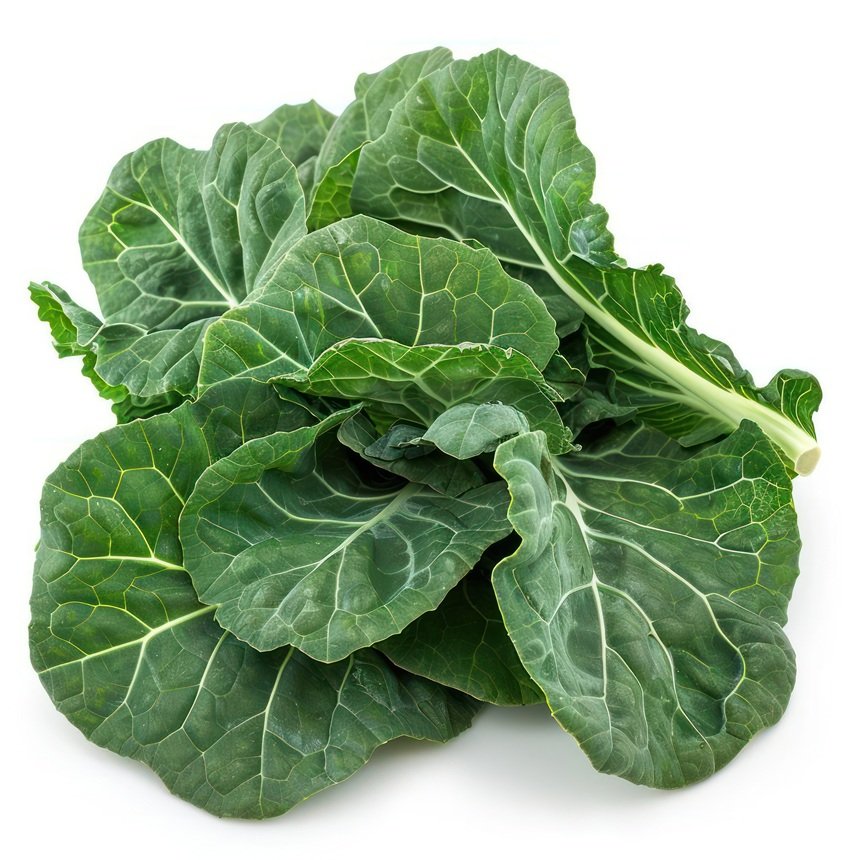
Antioxidants play a critical role in protecting the body from oxidative stress, which can adversely affect hormone production. Foods rich in antioxidants include berries, dark chocolate, and green leafy vegetables. These foods help neutralize free radicals and reduce inflammation, contributing to better hormonal health.
Consuming a variety of colorful fruits and vegetables can ensure a broad spectrum of antioxidants. Many people underestimate the importance of these nutrients, often opting for convenience over nutrient density. Prioritizing antioxidant-rich foods can help counteract the negative effects of stress on hormone levels.
Moreover, antioxidants like vitamin C, found in citrus fruits and bell peppers, are crucial for the synthesis of hormones such as cortisol and adrenaline. By including these foods in your diet, you can support your body’s ability to manage stress and maintain hormonal balance.
Fiber and Hormonal Regulation
Dietary fiber plays a significant role in hormone regulation, particularly in the metabolism of estrogen. High-fiber foods, such as beans, lentils, and whole grains, help regulate blood sugar levels and promote healthy digestion. Fiber also aids in the elimination of excess hormones from the body.
Many adults fail to consume adequate fiber, often leading to digestive issues and imbalanced hormone levels. Prioritizing fiber-rich foods can improve gut health, which is closely linked to hormonal regulation. A healthy gut microbiome can aid in the metabolism of hormones, particularly estrogen, and prevent hormonal imbalances.
To optimize fiber intake, consider incorporating a variety of whole foods into your meals. This not only supports hormone balance but also contributes to overall health and well-being.
Foods to Avoid for Hormonal Balance
Certain foods can disrupt hormonal balance and should be minimized in the diet. Processed foods, high in refined sugars and unhealthy fats, can lead to inflammation and insulin resistance, both of which negatively impact hormone levels. Additionally, excessive caffeine and alcohol consumption can disrupt hormonal function.
Many adults overlook the effects of these foods, often consuming them regularly without realizing their impact on hormonal health. Reducing intake of processed foods and focusing on whole, nutrient-dense options is crucial for maintaining hormonal balance. It’s also important to consider the timing and context of food consumption, as stress and lifestyle factors can exacerbate the effects of poor dietary choices.
To support hormonal health, aim for a balanced diet rich in whole foods while avoiding processed options. This proactive approach can lead to improved hormonal function and overall well-being.
Further Reading
Authoritative Sources
- MedlinePlus
medlineplus.govConsumer-friendly medical and health information from the U.S. National Library of Medicine.
- National Institutes of Health
nih.govResearch-based health information and links to authoritative medical resources.
- Centers for Disease Control and Prevention
cdc.govOfficial public health guidance, prevention resources, and topic-specific recommendations.
- Mayo Clinic
mayoclinic.orgTrusted clinical guidance, symptom explainers, and treatment overviews.
- World Health Organization
who.intGlobal health guidance, fact sheets, and evidence-based public health information.
Frequently Asked Questions
What are the best superfoods for hormone balance?
Some of the best superfoods for hormone balance include flaxseeds, avocados, leafy greens, and fatty fish. These foods provide essential nutrients that support hormonal function.
How do omega-3 fatty acids impact hormones?
Omega-3 fatty acids help regulate hormone production and reduce inflammation, which can improve symptoms associated with hormonal imbalances.
Can diet alone balance hormones?
While diet plays a crucial role in hormonal health, other factors such as stress management, sleep, and exercise also significantly affect hormone balance.
What foods should I avoid for hormonal health?
Avoid processed foods, refined sugars, and excessive caffeine or alcohol, as these can disrupt hormonal balance and lead to health issues.
How much fiber do I need for hormonal balance?
Adults should aim for at least 25 grams of fiber per day, as it supports digestion and helps regulate hormones effectively.
Conclusion
Incorporating superfoods that support hormone balance into your diet is essential for maintaining optimal health. Focus on nutrient-dense foods rich in omega-3 fatty acids, antioxidants, and fiber while avoiding processed options that can disrupt hormonal function. By prioritizing these dietary choices, you can enhance your hormonal health and overall well-being. Remember that a holistic approach, including stress management and regular physical activity, is vital for achieving hormonal balance.
Related Content
- What to Consider When Creating a Superfood Diet Plan: Essential Foods, Nutritional Balance, and Practical Steps
- Which Superfoods Are Easiest for Beginners to Start With: Top Choices for Nutrient-Rich Eating
- Unexpected Side Effects of Switching to Whole Foods: Common Symptoms, Challenges, and Solutions
- Asparagus Nutrition, Folate, And Fiber: Folate Facts, Fiber Benefits, And Easy Meal Uses
- How to Evaluate if a Superfood Fits Your Diet: Key Nutritional Metrics and Personal Goals