
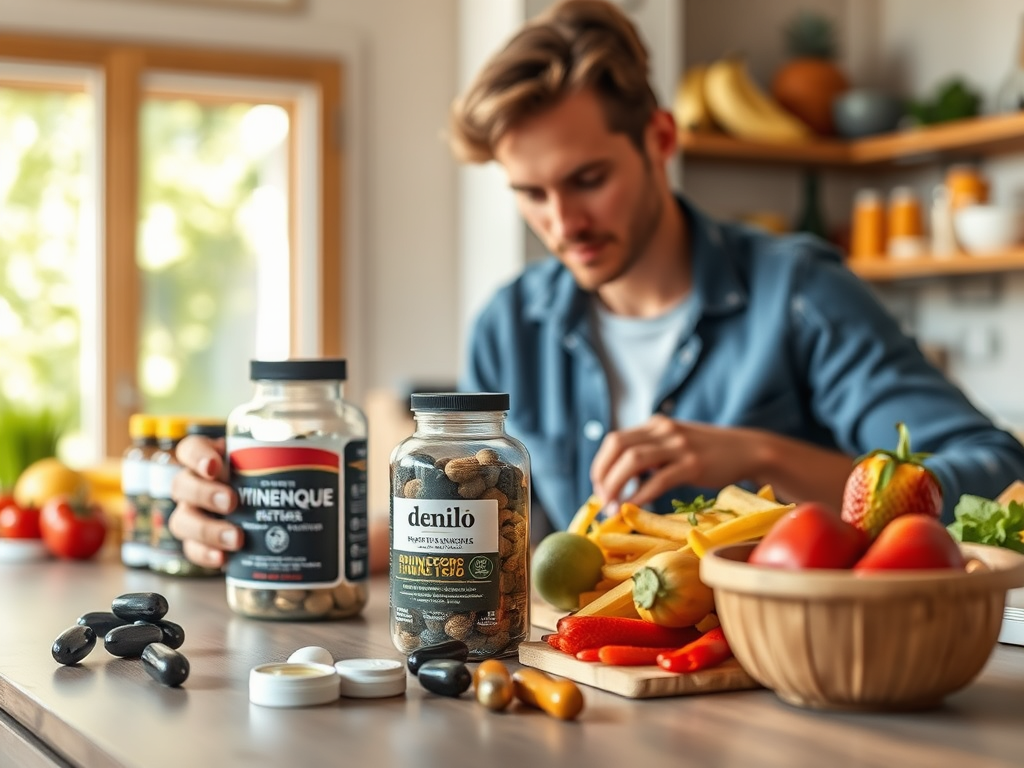
Issues with over-reliance on superfood supplements can lead to nutritional imbalances, unrealistic health expectations, and potential side effects. Many people mistakenly believe that these supplements can replace a balanced diet, which can result in deficiencies in essential nutrients. It's crucial to recognize that while superfoods can offer benefits, they should complement a varied diet rather than dominate it. Understanding these risks allows for more informed health choices and encourages a holistic approach to nutrition.
Understanding Superfood Supplements
Superfood supplements are marketed as nutrient-rich foods that offer health benefits beyond basic nutrition. Common examples include spirulina, acai berries, and chia seeds. While they can be beneficial, it’s essential to understand their role within a broader dietary context. Many people turn to these supplements hoping for quick health fixes or enhanced performance, but relying solely on them can lead to nutritional imbalances and neglect of whole foods.
These supplements often contain concentrated doses of vitamins, minerals, and antioxidants. However, the marketing surrounding them can create inflated expectations. The term “superfood” itself is not scientifically regulated, leading to confusion about what constitutes a truly beneficial food. It’s crucial to approach these products with a critical mindset, recognizing that they should not replace a balanced, varied diet.
Common Misconceptions About Superfoods
One prevalent misconception is that superfood supplements are a cure-all for health issues. Many consumers believe that adding a scoop of powdered superfood to their diet will automatically improve their well-being, but this oversimplifies nutrition. Health is influenced by a multitude of factors, including genetics, lifestyle, and overall dietary patterns.
Another misconception is that superfoods can replace essential nutrients found in whole foods. For example, while a supplement may be high in antioxidants, it cannot replicate the fiber and other nutrients found in fruits and vegetables. This narrow focus can lead individuals to overlook the importance of consuming a variety of foods that provide comprehensive nutrition.
Potential Risks of Over-Reliance
Over-reliance on superfood supplements can result in several risks. First, individuals may experience nutritional deficiencies if they substitute whole foods for supplements. For example, a diet heavily reliant on protein powders may lack sufficient fiber, leading to digestive issues.
Moreover, some superfood supplements can interact with medications or cause adverse reactions. For instance, excessive consumption of certain herbal supplements can lead to liver damage or other health complications. It’s essential to approach these products with caution, especially for individuals with pre-existing health conditions.
Lastly, the financial cost associated with purchasing high-quality superfood supplements can be considerable. Many consumers may find themselves spending significant amounts without achieving the desired health outcomes, leading to frustration and disillusionment.
Practical Alternatives to Superfood Supplements
Instead of relying heavily on superfood supplements, individuals should consider incorporating whole foods into their diets. Foods like leafy greens, berries, nuts, and legumes are rich in nutrients and can provide health benefits without the risks associated with concentrated supplements. For example, a smoothie made with spinach, bananas, and walnuts can offer a balanced array of nutrients, including fiber, vitamins, and healthy fats.
Cooking meals from scratch using diverse ingredients ensures that one gets a wide range of nutrients. Additionally, engaging in meal planning can help individuals create balanced meals that incorporate various food groups, reducing the temptation to rely on supplements.
For those who still wish to use supplements, it’s advisable to do so in moderation and under the guidance of a healthcare professional. This approach ensures that any supplementation complements a well-rounded diet rather than replacing it.
Frequently Asked Questions
What are superfood supplements?
Superfood supplements are nutrient-rich products derived from various foods, marketed for their purported health benefits, often in concentrated forms.
Can superfood supplements replace a balanced diet?
No, superfood supplements should complement a balanced diet, not replace it, as they cannot provide all necessary nutrients found in whole foods.
What are the risks of over-relying on superfood supplements?
Risks include nutritional deficiencies, potential health complications from interactions with medications, and financial costs without guaranteed health benefits.
How can I incorporate superfoods into my diet safely?
Incorporate superfoods through whole food sources and use supplements in moderation, ideally under the guidance of a healthcare professional.
Are there better alternatives to superfood supplements?
Yes, whole foods such as fruits, vegetables, nuts, and whole grains provide essential nutrients and health benefits without the risks associated with supplements.
Conclusion
Being aware of the issues with over-reliance on superfood supplements is crucial for making informed dietary choices. While these products can offer some benefits, they should not replace a balanced diet rich in whole foods. Prioritizing a diverse range of foods ensures that you obtain all necessary nutrients, reduces the risk of deficiencies, and promotes overall health. Take the time to evaluate your diet and consider practical alternatives that support your health goals without the pitfalls of supplementation.
Related Content
- What Are The Best Superfoods For Optimal Nutrition?
- Prebiotic Foods That Support Digestive Bacteria For Better Fiber Variety And Gut Tolerance
- What to Avoid When Buying Packaged Superfood Blends: Common Missteps and Label Pitfalls
- How to Identify Fake or Misleading Superfood Claims: Key Signs and Common Pitfalls
- Why Some Superfoods May Not Complement Your Diet: Understanding Nutritional Conflicts and Dietary Balance