

To identify the most beneficial superfoods for aging, focus on nutrient-dense foods rich in antioxidants, vitamins, and minerals that support cellular health and combat inflammation. Key examples include berries, leafy greens, nuts, and fatty fish. These superfoods can help improve cognitive function, reduce the risk of chronic diseases, and enhance overall vitality as you age. Prioritize whole, minimally processed foods for maximum benefits.
Understanding Superfoods and Aging
Superfoods are nutrient-rich foods that offer health benefits and can play a crucial role in promoting healthy aging. As we age, our bodies require more specific nutrients to maintain optimal health and function. Aging is often accompanied by increased oxidative stress and inflammation, which can contribute to age-related diseases. Including superfoods in our diet can help combat these effects and support overall well-being.
When considering how to identify the most beneficial superfoods for aging, it’s essential to focus on foods that are high in antioxidants, vitamins, and minerals. These components help protect cells from damage and support bodily functions that may decline with age. Additionally, superfoods can aid in maintaining a healthy weight, improving digestion, and enhancing mental clarity.
Key Nutrients for Healthy Aging
Several key nutrients are particularly important for promoting health as we age. These include:
- Antioxidants: These compounds help neutralize free radicals, which can cause oxidative damage to cells. Foods high in antioxidants, such as berries, dark chocolate, and green tea, can be especially beneficial.
- Omega-3 Fatty Acids: Found in fatty fish like salmon and walnuts, omega-3s support heart health, reduce inflammation, and may improve cognitive function.
- Fiber: Essential for digestive health, fiber can help regulate blood sugar levels and maintain a healthy weight. Foods like whole grains, legumes, and fruits are great sources.
- Vitamins and Minerals: Vitamins D, B12, calcium, and magnesium are crucial for maintaining bone health, energy levels, and cognitive function.
Understanding these nutrients can guide you in selecting the most beneficial superfoods for your diet.
Top Superfoods to Incorporate
To effectively identify the most beneficial superfoods for aging, consider incorporating the following foods into your diet:
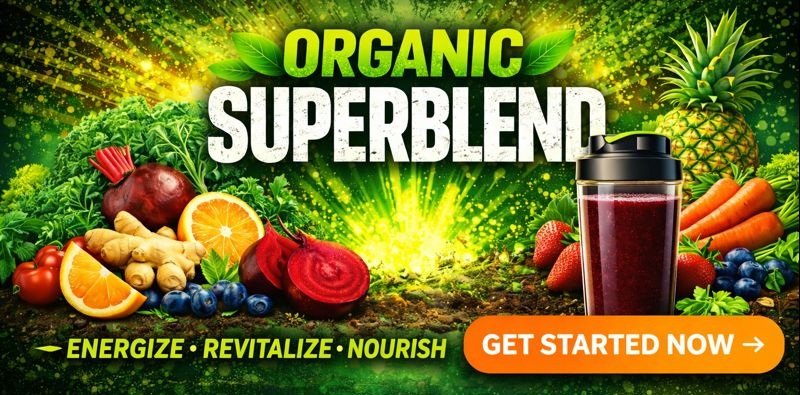
- Berries: Blueberries, strawberries, and raspberries are rich in antioxidants and vitamins, promoting brain health and reducing inflammation.
- Leafy Greens: Spinach, kale, and Swiss chard are packed with vitamins A, C, and K, supporting bone health and immune function.
- Nuts and Seeds: Almonds, walnuts, and flaxseeds provide healthy fats, fiber, and protein, which can help maintain weight and support heart health.
- Fatty Fish: Salmon, mackerel, and sardines are excellent sources of omega-3 fatty acids, essential for brain health and reducing inflammation.
- Whole Grains: Quinoa, brown rice, and oats are high in fiber, supporting digestive health and providing sustained energy.
These superfoods not only contribute essential nutrients but also offer a variety of flavors and textures that can enhance your meals.
Practical Tips for Including Superfoods
Incorporating superfoods into your diet doesn’t have to be complicated. Here are some practical tips:
- Start Small: Begin by adding one or two superfoods to your meals each week. For example, add berries to your morning oatmeal or include leafy greens in your salads.
- Experiment with Recipes: Explore new recipes that highlight superfoods. Try smoothies with spinach and berries, or create a grain bowl with quinoa and roasted vegetables.
- Plan Your Meals: Create meal plans that include a variety of superfoods. This can help ensure you’re getting a broad spectrum of nutrients.
- Stay Informed: Research and stay updated on new superfoods and their benefits. This can help you diversify your diet and maximize health benefits.
By integrating these tips, you can easily enhance your diet with superfoods that support healthy aging.
Related Content
- What Tools Can Help Me Track My Superfood Intake?
- Which Superfoods Support Endurance and Physical Performance: Essential Nutrients for Athletic Success
- How to Identify Nutrient Deficiencies with Diet: Signs, Symptoms, and Foods to Consider
- How to Find Reliable Sources for Organic Superfoods: Key Indicators and Evaluation Techniques
- How to Identify Signs of Superfood Intolerance: Symptoms, Causes, and Practical Steps