
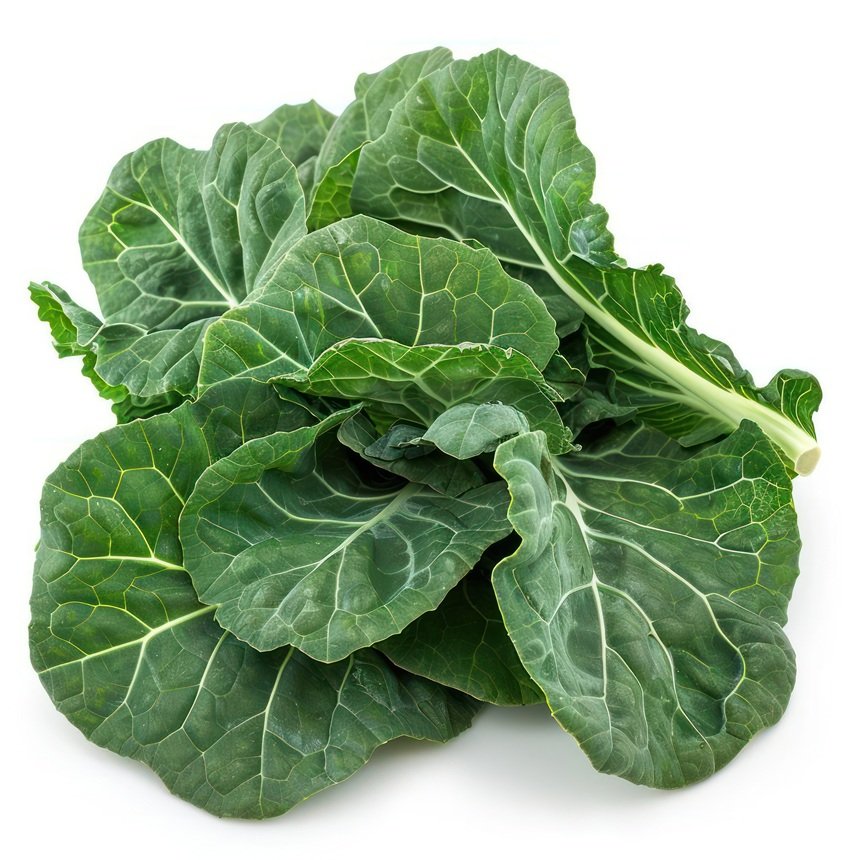
Understanding the nutrient retention of frozen superfoods is crucial for making informed dietary choices. Many frozen fruits and vegetables are harvested at peak ripeness and quickly frozen, which helps to lock in vitamins and minerals. This process can maintain their nutritional profile for months or even years, while fresh produce may lose nutrients over time due to exposure to air, light, and temperature fluctuations. A common mistake is assuming that frozen options are always inferior to fresh ones without considering these factors.
Moreover, frozen superfoods often provide a practical solution for those with busy lifestyles or limited access to fresh produce. They can be stored for longer periods without spoiling, reducing food waste and allowing for meal prep flexibility. However, it’s essential to check labels for added sugars or preservatives that can affect their health benefits. Prioritizing whole, unprocessed frozen foods can help maximize nutritional intake.
Nutrient Retention in Frozen vs. Fresh Foods
Research indicates that the freezing process can preserve most of the nutrients found in fruits and vegetables. For instance, studies show that many frozen vegetables retain similar levels of vitamins C and A as their fresh counterparts. The key factor is the timing of freezing; foods that are frozen shortly after harvest tend to have higher nutrient levels than those that are left to sit on store shelves.
However, certain nutrients are more sensitive to heat and light, meaning that some fresh produce might have an edge in specific cases. For example, fresh spinach may have higher levels of folate than frozen spinach, especially if the latter has been stored for an extended period. Therefore, it’s essential to consider the specific food type and its storage history when evaluating nutrient retention.
When comparing fresh and frozen options, it’s also important to assess how they are prepared. Cooking methods can further influence nutrient levels. Steaming or microwaving frozen vegetables can be a better option than boiling, which can lead to nutrient loss. A smart approach is to incorporate both fresh and frozen superfoods into your diet to maximize nutritional benefits.
Comparative Cost and Accessibility
Frozen superfoods are often more cost-effective than fresh options, particularly out of season. Fresh fruits and vegetables can be expensive when they are not in season, while frozen varieties are typically available year-round at a consistent price. This makes frozen options an accessible choice for those on a budget or living in areas with limited access to fresh produce.
Additionally, the convenience of frozen superfoods can lead to better dietary adherence. Having a stock of frozen fruits and vegetables allows for quick meal preparation, reducing the likelihood of resorting to less healthy fast-food options. This aspect is especially beneficial for busy individuals or families trying to maintain a healthy diet.
However, it is crucial to be aware of potential price fluctuations and quality differences among brands and types of frozen superfoods. Some brands may add preservatives or sugars, which can impact the overall healthiness of the product. Prioritizing brands that focus on whole, unprocessed options can help ensure you’re getting the most nutritional value for your money.
Common Misconceptions About Frozen Superfoods
A prevalent misconception is that frozen superfoods lack the taste and texture of fresh produce. While some frozen fruits may lose their crispness, many vegetables retain their texture and flavor well after freezing. For instance, frozen peas and corn can taste remarkably fresh when cooked properly.
Another misunderstanding is that all frozen foods are processed and unhealthy. While some frozen items do contain added ingredients, many frozen superfoods are just as nutrient-dense as fresh options. It’s essential to read labels carefully and choose products that contain minimal ingredients. This can help avoid unwanted additives that can detract from their health benefits.
Moreover, some consumers worry about the potential loss of vitamins during the freezing process. While there may be slight reductions in certain nutrients, the overall impact on nutritional value is often negligible compared to the benefits of convenience and accessibility. Understanding these nuances can help consumers make better-informed choices regarding their diets.
Best Practices for Using Frozen Superfoods
To maximize the nutritional benefits of frozen superfoods, it’s important to use them effectively in meal preparations. One effective method is to incorporate frozen vegetables into stir-fries, soups, and smoothies. This not only enhances the nutritional profile of your meals but also adds convenience to your cooking routine.
It’s also beneficial to avoid thawing frozen produce before cooking, as this can lead to nutrient loss. Instead, add frozen vegetables directly to dishes while cooking to retain their nutrients and texture. Additionally, consider blending frozen fruits into smoothies without thawing to maintain their nutritional integrity.
Lastly, always check for the best-by dates and storage instructions to ensure you’re consuming the frozen superfoods at their best quality. Proper storage can significantly extend their shelf life and maintain their nutrient levels.
Further Reading
Authoritative Sources
- FDA: Frozen Foods
fda.govThis source provides guidelines on the safety and quality of frozen foods, helping readers better understand their benefits
- Academy of Nutrition and Dietetics
eatright.orgThis resource offers insights into the nutritional value of frozen versus fresh produce
Frequently Asked Questions
Are frozen superfoods as healthy as fresh ones?
Yes, frozen superfoods can be as healthy as fresh ones, especially if they are flash-frozen shortly after harvest.
Do frozen fruits lose their nutrients?
While there may be slight nutrient loss, frozen fruits retain most of their vitamins and minerals when stored properly.
How should I cook frozen vegetables?
It’s best to cook frozen vegetables directly without thawing to preserve their nutrients and texture.
Are there any downsides to frozen superfoods?
Some frozen superfoods may contain added sugars or preservatives, so it’s important to read labels carefully.
Can frozen superfoods help with meal prep?
Yes, frozen superfoods are convenient for meal prep, as they can be stored for long periods and quickly added to meals.
Related Content
- What To Do If Superfoods Disrupt Your Daily Routine: A Practical Reset Plan
- What to Consider When Buying Superfoods Online: Essential Factors and Key Qualities
- Can Superfoods Improve Hydration and Electrolyte Balance: Essential Choices for Optimal Hydration
- What To Do If Superfoods Cause Skin Flare-Ups: Causes, Food Triggers, And Safer Next Steps
- How Can I Incorporate Organic Superfoods Into My Diet?