
Instant Answer: Organic superfoods are nutrient-dense foods that are grown without synthetic fertilizers or pesticides, ensuring they retain maximum nutritional value. They include items like kale, quinoa, and blueberries, which are rich in vitamins, minerals, and antioxidants. The benefits of consuming organic superfoods include improved overall health, enhanced energy levels, and better immune function. By incorporating these foods into your diet, you can support your body’s natural processes and promote long-term wellness.
Jump To
- The Health Benefits of Incorporating Organic Superfoods
- What Are Organic Superfoods?
- Health Benefits of Organic Superfoods
- How to Incorporate Organic Superfoods into Your Diet
- Conclusion
- Popular Questions
- What are organic superfoods?
- How do organic superfoods benefit health?
- Are organic superfoods worth the cost?
- Can you include organic superfoods in everyday meals?
The Health Benefits of Incorporating Organic Superfoods
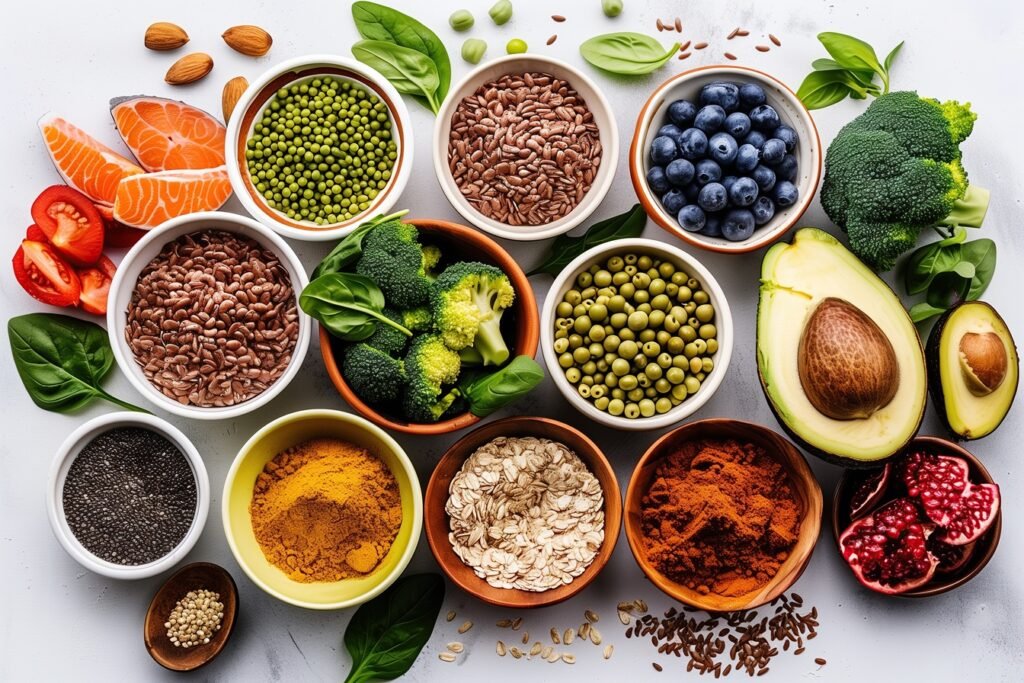
In a world increasingly focused on health and wellness, organic superfoods stand out as a vibrant cornerstone of nutritious eating. These powerhouse foods, such as kale, quinoa, and blueberries, not only burst with flavor but also deliver a concentrated dose of essential vitamins, minerals, and antioxidants that can transform your well-being. By choosing organic varieties, you ensure that your body receives the purest form of nourishment, free from harmful chemicals. Incorporating these nutrient-dense foods into your daily meals can elevate your energy levels and bolster your immune system, paving the way for a healthier, more vibrant life. Embracing organic superfoods is not just a dietary choice; it's a commitment to nurturing your body and enhancing your overall health.
In recent years, organic superfoods have gained immense popularity among health enthusiasts and nutritionists alike. These nutrient-dense foods are not only packed with vitamins and minerals but also offer a plethora of health benefits that can enhance overall well-being. In this article, we will explore the various health benefits of incorporating organic superfoods into your diet, along with practical tips on how to do so effectively.
What Are Organic Superfoods?
Organic superfoods are natural foods that are grown without the use of synthetic fertilizers, pesticides, or genetically modified organisms (GMOs). They are often rich in antioxidants, vitamins, and minerals, making them exceptionally beneficial for health. Examples of popular organic superfoods include:
- Quinoa: A complete protein source that contains all nine essential amino acids.
- Chia Seeds: Packed with omega-3 fatty acids, fiber, and protein.
- Spirulina: A blue-green algae that is rich in protein, vitamins B1, B2, B3, copper, and iron.
- Acai Berries: Known for their high antioxidant content and potential anti-aging properties.
- Kale: A leafy green vegetable loaded with vitamins A, K, and C, as well as calcium and iron.
Health Benefits of Organic Superfoods
Incorporating organic superfoods into your diet can lead to numerous health benefits. Here are some of the most significant advantages:
1. Enhanced Nutritional Profile
Organic superfoods are often more nutrient-dense than their conventional counterparts. For instance, studies have shown that organic kale contains higher levels of vitamin C and antioxidants compared to non-organic varieties. This enhanced nutritional profile can help support immune function and overall health.
2. Antioxidant Properties
Many organic superfoods are rich in antioxidants, which help combat oxidative stress in the body. For example, acai berries are renowned for their high levels of anthocyanins, a type of antioxidant that may reduce inflammation and lower the risk of chronic diseases such as heart disease and cancer. Including these foods in your diet can help protect your cells from damage caused by free radicals.
3. Improved Digestive Health
Organic superfoods like chia seeds and quinoa are excellent sources of dietary fiber. Fiber is essential for maintaining a healthy digestive system as it aids in regular bowel movements and prevents constipation. Chia seeds, for instance, can absorb up to 12 times their weight in water, forming a gel-like substance that promotes satiety and aids digestion.
4. Weight Management
Many organic superfoods can assist in weight management due to their high fiber content and low calorie density. Foods like spirulina and kale can be incorporated into smoothies or salads to create filling meals without excessive calories. For example, a smoothie made with spinach, banana, almond milk, and spirulina can provide a nutritious breakfast option that keeps you full longer.
5. Heart Health
Incorporating organic superfoods into your diet can also benefit heart health. Foods such as quinoa and chia seeds are rich in omega-3 fatty acids, which have been shown to lower cholesterol levels and reduce the risk of heart disease. A study published in the American Journal of Clinical Nutrition found that individuals who consumed omega-3-rich foods had a significantly lower risk of cardiovascular events.
6. Boosted Energy Levels
Organic superfoods can provide a natural energy boost without the crash associated with processed sugars or caffeine. For instance, the complex carbohydrates found in quinoa release energy slowly, helping to maintain stable blood sugar levels throughout the day. Additionally, the iron content in spirulina can enhance oxygen transport in the blood, leading to improved energy levels.
How to Incorporate Organic Superfoods into Your Diet
Now that you understand the benefits of organic superfoods, here are some practical tips on how to incorporate them into your daily meals:
1. Start Your Day with Superfood Smoothies
Smoothies are an excellent way to pack multiple superfoods into one meal. Combine spinach or kale with fruits like bananas or berries, add a scoop of protein powder or spirulina, and blend with almond milk or coconut water for a nutritious breakfast or snack.
2. Use Superfood Powders
Superfood powders such as spirulina or maca can be easily added to smoothies, oatmeal, or yogurt. For example, mixing a teaspoon of spirulina powder into your morning smoothie can enhance its nutritional value without altering the flavor significantly.
3. Experiment with Salads
Add organic superfoods like quinoa or chia seeds to your salads for added texture and nutrition. A quinoa salad with cherry tomatoes, cucumber, avocado, and a lemon vinaigrette makes for a refreshing and filling meal.
4. Snack Smart
Replace processed snacks with organic superfood options. For instance, instead of reaching for chips, try snacking on raw nuts mixed with dried goji berries or cacao nibs for a healthy treat that satisfies your cravings.
5. Cook with Superfoods
Incorporate organic superfoods into your cooking by adding them to soups, stews, or stir-fries. For example, adding kale to a vegetable stir-fry not only boosts its nutritional content but also adds vibrant color and flavor.
Conclusion
The incorporation of organic superfoods into your diet can lead to significant health benefits ranging from improved digestion to enhanced energy levels. By making small changes to your meals and snacks, you can enjoy the advantages these nutrient-dense foods offer while promoting overall wellness. Start today by experimenting with different superfoods and find creative ways to include them in your daily routine!
Popular Questions
What are organic superfoods?
Organic superfoods are nutrient-dense foods that are grown without the use of synthetic fertilizers, pesticides, or genetically modified organisms. They are often rich in vitamins, minerals, antioxidants, and other beneficial compounds that can enhance overall health. Common examples include kale, quinoa, chia seeds, and acai berries. These foods are celebrated for their potential health benefits and are often incorporated into a balanced diet.
How do organic superfoods benefit health?
Organic superfoods can provide numerous health benefits due to their high concentrations of essential nutrients and antioxidants. They may help boost the immune system, improve digestion, and reduce inflammation. Additionally, many superfoods are linked to lower risks of chronic diseases such as heart disease and diabetes. Incorporating these foods into your diet can support overall well-being and vitality.
Are organic superfoods worth the cost?
While organic superfoods can be more expensive than conventional options, many people believe they are worth the investment due to their higher nutrient content and absence of harmful chemicals. The health benefits associated with consuming organic superfoods may lead to long-term savings on healthcare costs. Additionally, supporting organic farming practices can contribute to environmental sustainability. Ultimately, the decision depends on individual health goals and budget considerations.
Can you include organic superfoods in everyday meals?
Yes, organic superfoods can easily be incorporated into everyday meals in various ways. They can be added to smoothies, salads, soups, or baked goods for an extra nutritional boost. For example, you might sprinkle chia seeds on yogurt or blend spinach into a morning smoothie. The versatility of these foods makes it simple to enhance your diet with their health benefits.