
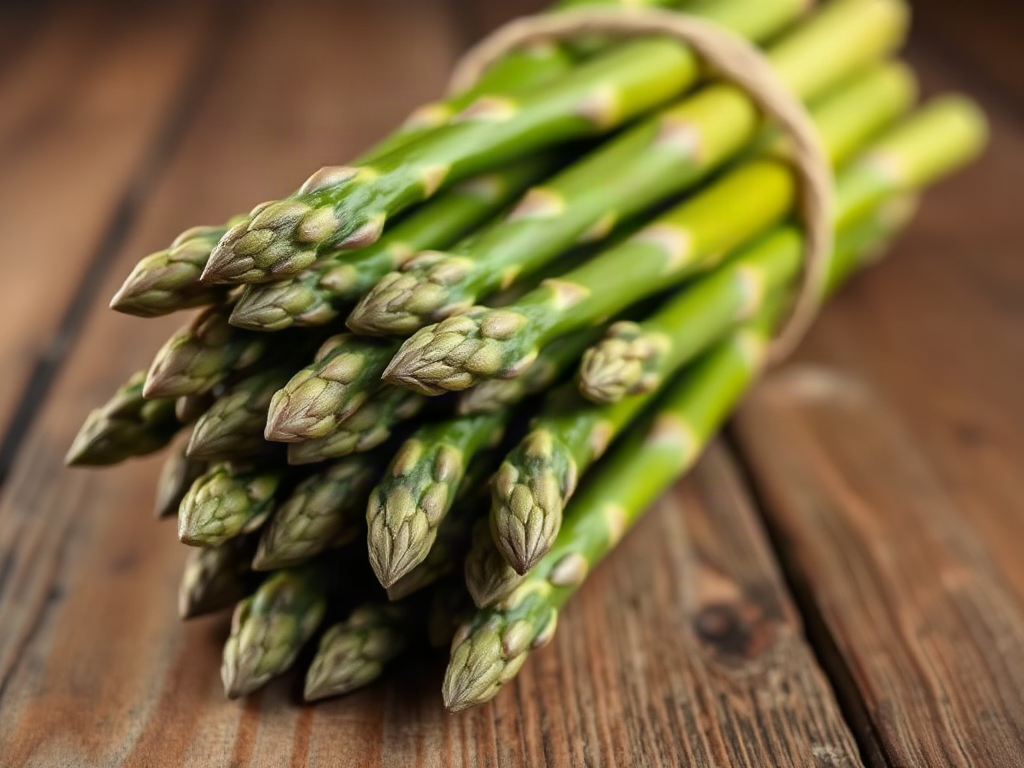
Asparagus nutrition, folate, and fiber make this vegetable a useful low-calorie addition to meals, especially when you want more plant food without relying on supplements or heavily processed ingredients. Folate supports DNA production and cell division, while asparagus fiber contributes to stool bulk, digestive regularity, and a slower rise in meal-related blood glucose when eaten with balanced foods. Its nutritional value is preserved best with brief steaming, roasting, or sautéing rather than prolonged boiling. Pairing asparagus with beans, eggs, fish, whole grains, or yogurt creates a more satisfying meal, but asparagus should complement—not replace—a varied diet that supplies folate and fiber from many sources.
What Asparagus Contributes Nutritionally
Asparagus provides a combination of water, fiber, folate, vitamin K, and other micronutrients in a naturally light vegetable. The exact nutrient profile depends on the portion, variety, freshness, and cooking method, but the broader nutritional pattern is consistent: asparagus adds volume and plant nutrients without bringing the concentrated sugar, sodium, or saturated fat found in many packaged side dishes.
That makes it useful for meals where the vegetable portion needs to be substantial but the overall dish should remain balanced. A plate of roasted asparagus alongside lentils and a whole grain has a different nutritional role from asparagus wrapped in bacon or covered in a rich cheese sauce. The vegetable still contributes folate and fiber in both cases, but the additions change the meal’s sodium, saturated fat, and energy density.
Folate is one of the reasons asparagus receives more attention than a generic green side dish. It is a B vitamin involved in nucleotide production, cell division, and red blood cell formation. Asparagus also supplies vitamin K, which participates in normal blood clotting and bone-related processes, along with smaller amounts of vitamin C, vitamin A, and potassium. These nutrients work within an overall eating pattern rather than acting as a standalone treatment.
Fresh asparagus, frozen asparagus, and canned asparagus can all fit a nutritious diet, but they are not interchangeable in every respect. Frozen spears may be convenient and retain useful nutrients, while canned products can be softer and may contain added sodium. Rinsing canned asparagus can reduce some surface sodium, although it may also affect texture. A practical comparison is simple: choose fresh when texture matters, frozen when convenience matters, and a lower-sodium canned option when storage is the priority.
A common mistake is treating one vegetable as a complete nutritional solution. Even a nutrient-dense serving does not supply all the protein, essential fats, or micronutrients needed for a meal. Readers comparing asparagus with the broader topic of Asparagus nutrition, folate, and fiber should use it as one component of a varied pattern that includes legumes, fruit, whole grains, nuts, seeds, and other vegetables.
Why Folate Matters in Asparagus
Folate supports processes that are especially active during growth, tissue maintenance, and cell division. The naturally occurring folate in foods is different from folic acid used in supplements and fortified products, although both contribute to the body’s folate supply. Asparagus can therefore be a useful food source, but its presence on the plate does not remove the need to consider other folate-rich foods or professional guidance during periods of increased need.
Beans, lentils, leafy greens, avocado, citrus fruit, and fortified grain products can all contribute folate. Building meals from several of these foods is more dependable than expecting asparagus alone to cover intake. For example, a bowl with asparagus, chickpeas, brown rice, and a lemon-based dressing combines vegetable folate with fiber and plant protein. An omelet with asparagus and leafy greens offers a different texture and adds protein, but it still benefits from fruit or whole grains elsewhere in the day.
Cooking can influence nutrient retention. Extended boiling may move water-soluble nutrients into the cooking liquid, while brief steaming, microwaving, roasting, or sautéing generally limits contact with water. This does not mean raw asparagus is automatically better. Raw spears are crisp and convenient, but cooking can make the vegetable easier to chew and more appealing in a larger portion. The better method is the one that helps the vegetable remain a regular part of meals.
Folate needs also vary by life stage and circumstance. Pregnancy planning and pregnancy are examples in which folate guidance is especially specific, and a healthcare professional may recommend a folic acid supplement in addition to food sources. Asparagus can contribute to a healthy pattern, but it should not be presented as a substitute for prenatal care or a prescribed supplement.
Another weak assumption is that visible freshness predicts folate content with precision. Color and firmness are useful quality clues, but they do not provide a reliable nutrient calculation. Buy asparagus that is firm, refrigerate it appropriately, and rotate it rather than storing it until the tips deteriorate. If a recipe uses the cooking liquid, some nutrients that leave the spears during cooking remain in the dish; discarded boiling water does not offer that advantage.
How Asparagus Fiber Works In A Meal
Asparagus contains dietary fiber, including fibers that add structure to stool and fibers that are fermented by gut microorganisms. Fiber supports digestive function by adding bulk and helping food move through the gastrointestinal tract, although individual responses differ. A sudden large increase can cause gas or abdominal discomfort, particularly when asparagus is combined with beans, onions, or large amounts of whole grains.
The useful question is not whether asparagus has fiber in isolation, but how it fits into the entire meal. A serving alongside eggs may add vegetable volume and some fiber, while a plate with asparagus, lentils, barley, and seeds creates a much larger fiber load. The second meal may be more filling, but someone unaccustomed to high-fiber foods may tolerate it better if the portions increase gradually and fluids remain adequate.
Some people notice a distinctive urine odor after eating asparagus. This is associated with sulfur-containing compounds produced during digestion and is harmless for most people. It is not evidence that the vegetable is cleansing the kidneys or removing toxins. Likewise, asparagus fiber may support regularity, but it should not be described as a guaranteed treatment for constipation or a digestive disorder.
Preparation changes the practical experience of the fiber without eliminating it. Roasted spears remain relatively intact, while blended asparagus soup changes texture and may be easier to eat quickly. A creamy soup can also become energy-dense depending on the amount of cream, butter, or cheese added. If the goal is a fiber-forward meal, blending the vegetable is not a problem, but keeping the edible plant material in the soup matters more than straining it into a thin broth.
A useful check is to watch both tolerance and meal quality. If bloating follows a large portion, try a smaller serving, cook the spears until tender, and avoid adding several fermentable foods at once. If hunger returns quickly, pair the asparagus with protein and a slowly digested carbohydrate rather than simply increasing the vegetable portion. This approach makes asparagus fiber part of a satisfying meal instead of asking it to do the work of the entire plate.
Cooking, Portions, And Practical Meal Choices
Brief cooking methods usually offer the best compromise between flavor, texture, convenience, and nutrient retention. Steam asparagus until it is tender but not limp, roast it until the tips are lightly browned, or sauté it with a small amount of oil and garlic. The thick lower stems may need trimming or peeling, while thin spears often cook quickly. Overcooking produces a watery texture that can make people abandon the vegetable, even though the basic nutrients remain.
A simple meal decision framework is to match the preparation to the purpose. Choose raw or lightly blanched asparagus for a crisp salad, roasted spears for a sheet-pan dinner, and frozen asparagus for a quick grain bowl. Add a protein source such as eggs, tofu, fish, chicken, beans, or lentils; then include a whole-grain or starchy food if the meal needs more staying power. Lemon, herbs, vinegar, or toasted seeds can add flavor without making a modest vegetable portion dependent on a heavy sauce.
For example, roasted asparagus with salmon and potatoes supplies a vegetable, protein, and carbohydrate in one plate. Asparagus with white beans, tomatoes, and whole-grain toast provides a plant-based alternative with more fiber and protein. A breakfast of eggs, asparagus, and whole-grain bread may be convenient, but adding fruit can broaden the meal’s vitamin and phytochemical range.
Portion needs are personal and depend on appetite, the rest of the meal, and digestive tolerance. A larger vegetable serving may suit someone trying to replace a refined side dish, while a smaller portion may be more comfortable for someone sensitive to gas. People taking medication affected by vitamin K intake should ask their clinician whether consistency in green-vegetable intake matters; abruptly changing intake may be less appropriate than maintaining a stable pattern.
Common failures are predictable: boiling the spears until bland, relying on butter or salty toppings for appeal, or buying more than can be used before the tips soften. Store asparagus chilled and use it while the stalks remain firm. If quality is declining, cut the spears into a frittata, soup, stir-fry, or grain bowl rather than discarding them. The best nutritional strategy is a preparation that makes the vegetable easy to eat regularly while preserving balance across the full meal.
Frequently Asked Questions
Is asparagus high in folate?
Asparagus is a useful natural food source of folate, but it is not the only source to rely on. Lentils, beans, leafy greens, avocado, citrus, and fortified grains can also contribute.
Does asparagus provide meaningful fiber?
Yes. Its fiber contributes to total daily intake and may support stool bulk and regularity. The amount in a meal increases when asparagus is paired with legumes, whole grains, seeds, or other vegetables.
Is raw or cooked asparagus more nutritious?
Neither is automatically best. Raw asparagus preserves its crisp texture, while brief steaming, roasting, or sautéing can improve tenderness and limit nutrient loss into cooking water.
Why does asparagus sometimes change urine odor?
Digestion can produce sulfur-containing compounds that create a distinctive odor in urine. This is generally harmless and is not proof of detoxification or kidney cleansing.
Can asparagus replace a folate supplement?
No. Food is a valuable folate source, but people with specific needs—particularly during pregnancy planning or pregnancy—should follow individualized advice from a qualified healthcare professional.
Conclusion
Asparagus earns a place in a varied diet because it combines folate, fiber, water, and several other nutrients with flexible preparation options. Prioritize the form you will actually eat: fresh for texture, frozen for convenience, or lower-sodium canned asparagus when storage matters. Brief cooking usually offers a practical balance, while pairing the spears with beans, eggs, fish, tofu, whole grains, or lentils turns a light side into a more complete meal.
Keep expectations realistic. Asparagus can contribute to folate and fiber intake, but it cannot replace a diverse diet, prescribed supplements, or medical care. Increase portions gradually if your usual diet is low in fiber, maintain consistency if medication guidance makes vitamin K relevant, and use reputable nutrient databases for precise comparisons. Those choices make the vegetable’s nutritional strengths easier to use without overclaiming what one food can do.
Related Content
- Recognizing Signs of Nutrient Imbalances With Superfoods: Symptoms, Causes, and Remedies
- Impact of Food Processing on Nutrient Retention: Key Factors and Practical Insights
- How to Know If a Superfood Is Right for You: Key Factors and Practical Evaluation Steps
- What Are The Main Benefits Of A Whole Food Diet?
- Issues With Popular Superfood Diets: Common Mistakes and Nutritional Pitfalls