
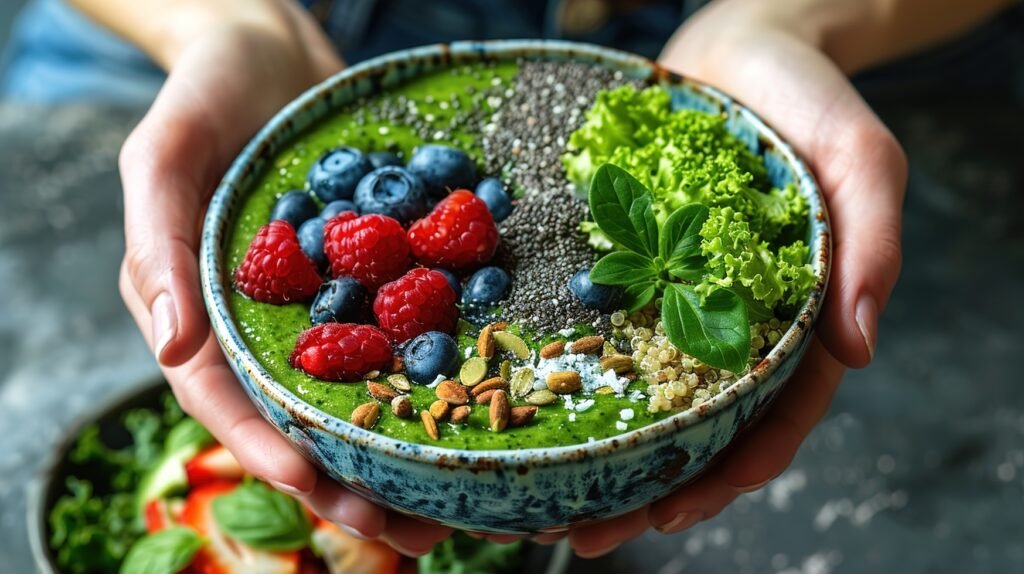
Popular superfood diets often lead to nutritional imbalances due to misconceptions about their benefits. Many people mistakenly believe that consuming superfoods alone can drastically improve health, neglecting the need for a balanced diet that includes a variety of food groups. This can result in deficiencies or an over-reliance on specific nutrients. To avoid these pitfalls, it's essential to incorporate a wide range of foods, including whole grains, proteins, and healthy fats, while understanding individual dietary needs. A holistic approach to nutrition is vital for achieving lasting health benefits.
Understanding Superfood Diets
Superfood diets emphasize certain foods believed to provide exceptional health benefits, such as acai berries, quinoa, and kale. While these foods are often nutrient-dense, the term “superfood” lacks a scientific definition and can lead to confusion. Many people may be tempted to rely heavily on these foods, overlooking the importance of a varied diet. A balanced approach is essential to ensure that all nutritional needs are met, which is often neglected in popular superfood diets.
Moreover, the marketing of superfoods can create a perception that consuming these foods alone will lead to significant health improvements. This can result in individuals neglecting other vital aspects of their diet, such as whole grains, proteins, and healthy fats, which play an essential role in overall health. Understanding the role of superfoods in a broader dietary context is crucial for making informed choices.
Common Misconceptions About Superfoods
One prevalent misconception about superfood diets is the belief that they can single-handedly prevent or cure diseases. While some superfoods possess beneficial properties, relying solely on them can lead to disappointment when expected health outcomes are not achieved. For example, many people consume acai-based products expecting weight loss or enhanced energy levels but may not see the desired results due to an unbalanced diet or lifestyle factors.
Another misconception is that superfoods are inherently healthy regardless of how they are prepared or incorporated into meals. For instance, adding a small amount of chia seeds to a high-sugar smoothie does not compensate for the negative health effects of excessive sugar intake. It is vital to consider the overall dietary context and preparation methods when assessing the health benefits of superfoods.
Nutritional Imbalances and Risks
Focusing excessively on superfoods can lead to nutritional imbalances. For example, individuals may consume large quantities of a specific superfood while neglecting other food groups, leading to deficiencies in essential nutrients. A diet overly reliant on a few superfoods may lack adequate protein, fiber, or healthy fats, which are crucial for optimal health.
Additionally, some superfoods may cause adverse reactions in certain individuals. For example, a person with a sensitivity to goitrogens may experience thyroid issues from consuming excess kale or cruciferous vegetables. Being aware of individual dietary needs and potential sensitivities is essential for anyone considering a superfood-centric diet. It is advisable to consult with a healthcare professional or registered dietitian to tailor dietary choices to personal health needs.
Practical Guidance for Healthy Eating
To maximize the benefits of superfoods while avoiding potential pitfalls, aim for a balanced diet that includes a variety of food groups. Incorporate superfoods in moderation and as part of a broader dietary strategy that emphasizes whole foods. For instance, instead of relying solely on chia seeds for omega-3 fatty acids, consider including fatty fish, flaxseeds, and walnuts to ensure a more comprehensive nutrient intake.
Additionally, focus on whole food preparation methods that preserve the natural benefits of superfoods. For example, steaming vegetables rather than frying can enhance nutrient absorption while minimizing unhealthy fats. Lastly, keeping a food diary can help track dietary choices and identify areas that require improvement, ensuring a more balanced approach to nutrition.
Frequently Asked Questions
What defines a superfood?
A superfood is typically marketed as nutrient-rich and beneficial for health, but it lacks a scientific definition and can vary by context.
Are superfoods necessary for a healthy diet?
No, superfoods are not necessary; a balanced diet with a variety of whole foods can provide all essential nutrients.
Can superfoods help with weight loss?
While some superfoods may support weight loss, they should be part of a comprehensive diet and exercise plan for effective results.
Are there risks associated with consuming too many superfoods?
Yes, excessive consumption of superfoods can lead to nutrient imbalances and potential adverse reactions, depending on individual sensitivities.
How can I incorporate superfoods into my diet safely?
Incorporate superfoods in moderation, ensure a diverse diet, and consult a healthcare professional for personalized guidance.
Conclusion
Understanding the issues with popular superfood diets is crucial for making informed dietary choices. While superfoods can provide health benefits, they should not replace a balanced diet rich in variety. Acknowledging common misconceptions, nutritional risks, and the importance of moderation can help individuals achieve better health outcomes. By prioritizing diverse food sources and consulting with professionals, individuals can navigate the complex landscape of nutrition more effectively.
Related Content
- High-Volume Low-Calorie Foods for Lasting Fullness: What to Eat and How to Build Satisfying Plates
- How To Identify Effective Superfoods For Weight Loss Through Satiety, Calories, And Meal Fit
- Selecting Superfoods Based on Personal Dietary Goals: A Nutrient-Matching Method
- How to Assess the Nutritional Content of Superfood Bars: Key Components and Evaluation Techniques
- How to Identify Hidden Sugars in Superfoods: Key Ingredients and Label Insights