
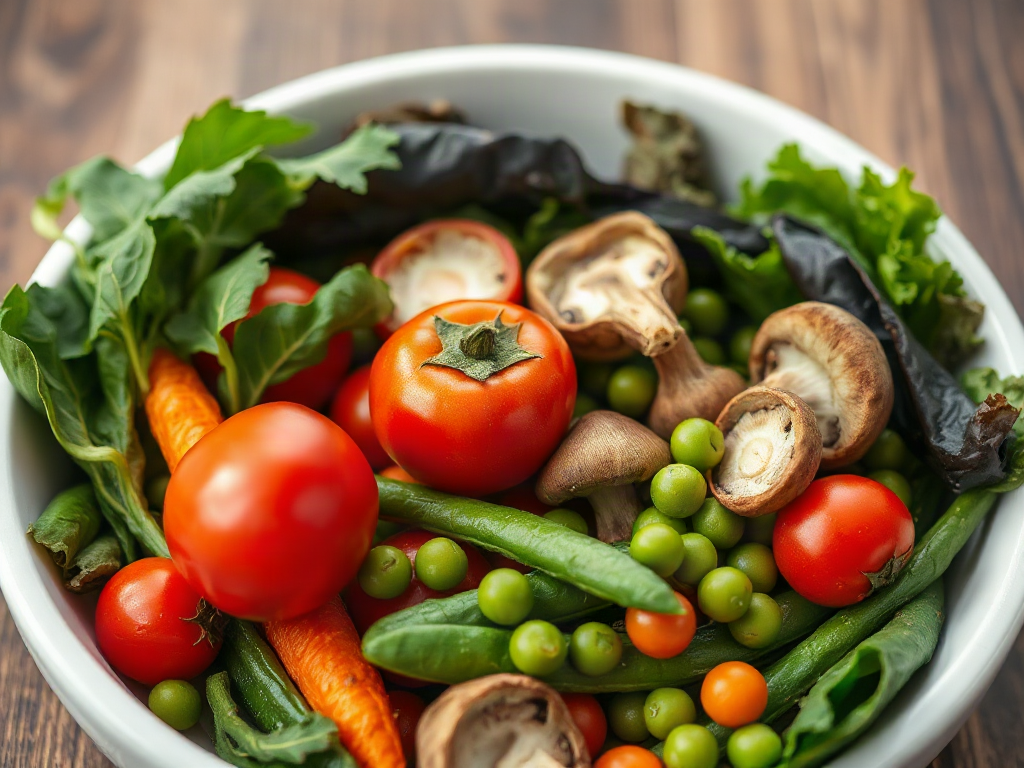
The most nutrient-dense vegetables for everyday meals include dark leafy greens, cruciferous vegetables, red peppers, carrots, tomatoes, mushrooms, and green peas because they provide concentrated vitamins, minerals, fiber, and protective plant compounds for relatively few calories. Rotate colors and vegetable families rather than relying on a single “healthiest” choice. Light steaming can preserve water-soluble vitamins while improving the availability of some carotenoids, and a little dietary fat helps the body absorb fat-soluble vitamins. Frozen vegetables remain a practical option, while excessive boiling, oversized raw salads, and repetitive choices can reduce nutrient retention, comfort, or dietary variety.
12 Vegetables Worth Rotating Through the Week
A useful vegetable rotation covers several nutrient categories rather than chasing one winner. Leafy greens contribute folate, vitamin K, carotenoids, and minerals; orange and red vegetables supply different carotenoids; cruciferous vegetables add glucosinolates; legumes provide more protein and starch than most vegetables. Variety matters because no single option leads every category, and the vegetable eaten regularly has more practical value than a highly ranked one left unused.
Kale offers vitamins K and C plus beta-carotene, but its sturdy texture is not ideal for everyone. Massage raw kale with dressing, sauté it until tender, or add finely sliced leaves to soup. Spinach is softer and provides folate, vitamin K, and carotenoids. It also contains oxalates, which can bind some calcium and may concern people advised to limit oxalate because of certain kidney stones. That does not make spinach nutritionally poor; it makes rotation with lower-oxalate greens such as kale or bok choy sensible.
Broccoli and Brussels sprouts provide vitamin C, folate, fiber, and glucosinolate-derived compounds. Broccoli is easier to use in stir-fries, pasta, and grain bowls, while Brussels sprouts develop a sweeter flavor when roasted. Bok choy combines leafy-green and cruciferous qualities, cooks quickly, and has a milder flavor. These vegetables can cause bloating in some people when portions rise suddenly, so gradual increases may be more comfortable than an abrupt plateful.
Red bell peppers are especially useful raw because they add crispness and vitamin C without preparation beyond slicing. Carrots and sweet potatoes supply beta-carotene, which the body can convert to vitamin A. Sweet potatoes are starchier and more calorie-dense than leafy greens, making them useful as a satisfying carbohydrate rather than a direct replacement for every non-starchy vegetable.
Tomatoes contain vitamin C, potassium, and lycopene; cooked tomato products can make lycopene more available, though sauces may contain added sodium or sugar. Mushrooms provide B vitamins, copper, and distinctive compounds not found in the same proportions in green vegetables. Their vitamin D content varies considerably and is higher in products exposed to ultraviolet light. Green peas deliver fiber and more protein than many non-starchy vegetables, while frozen peas are inexpensive and require almost no trimming.
For a workable shopping list, choose one dark leafy green, one cruciferous vegetable, one orange or red choice, and one convenient frozen option. That compact approach makes the most nutrient-dense vegetables for everyday meals easier to use before they spoil.
How Nutrient Density Changes by Vegetable
Nutrient density describes the amount of useful nutrition supplied relative to calories or serving size, but rankings depend on which nutrients receive the most weight. A leafy green may appear exceptional per calorie because it is mostly water and contains very few calories. Green peas or sweet potatoes may provide more energy per serving while contributing fiber, carbohydrate, and greater satiety. Both can belong in a nutrient-rich diet even though they occupy different roles on the plate.
Dark green vegetables commonly provide folate and vitamin K, while orange produce tends to be rich in provitamin A carotenoids. Red peppers and broccoli can contribute vitamin C. Potassium appears across vegetables, including potatoes, tomatoes, leafy greens, and winter squash. Fiber is distributed broadly, but the amount eaten matters: a large serving of cooked broccoli may contribute more fiber than a few decorative spinach leaves, regardless of how impressive spinach looks in a nutrient table.
Plant compounds add another layer. Cruciferous vegetables contain glucosinolates, tomatoes provide lycopene, and deeply colored leaves contain lutein and related carotenoids. These compounds are studied for their roles in normal body processes, but vegetables should not be presented as treatments for disease. Their value comes from contributing to a varied dietary pattern alongside fruit, legumes, whole grains, protein sources, and suitable fats.
Bioavailability also complicates simple rankings. Spinach contains calcium, yet oxalate limits how much of that calcium is absorbed. Bok choy and kale can therefore be more useful plant calcium contributors in some meal patterns. Iron from vegetables is non-heme iron, which is generally absorbed less readily than heme iron from animal foods. Pairing lentils or greens with vitamin C-rich peppers, tomatoes, or citrus may improve non-heme iron absorption, but the combination should not be assumed to correct an established deficiency.
Serving size, tolerance, cost, and frequency ultimately determine real dietary value. Raw cabbage may be economical and durable, whereas delicate greens can wilt within days. Frozen broccoli may retain more practical nutrition than fresh broccoli forgotten in a refrigerator. Canned tomatoes can be a strong pantry choice, although people managing sodium intake may prefer no-salt-added versions.
A common mistake is treating nutrient-density scores as a prescription to eat the same top-ranked vegetable daily. A better test is whether the weekly basket includes multiple colors, both cooked and raw preparations, and vegetables the household will reliably finish. That interpretation makes Most nutrient-dense vegetables for everyday meals a useful planning concept rather than a rigid league table.
Cooking Methods That Preserve or Improve Nutritional Value
Cooking changes vegetables rather than simply making them better or worse. Heat can reduce vitamin C and some B vitamins, particularly when vegetables are boiled in abundant water that is later discarded. At the same time, cooking softens plant cell walls, reduces volume, and can improve access to carotenoids such as beta-carotene and lycopene. The most suitable method depends on the vegetable, the nutrient of interest, and whether the cooked result will actually be eaten.
Steaming and microwaving use little water and short cooking times, making them practical for broccoli, bok choy, peas, and spinach. Aim for tender vegetables that retain color and structure rather than cooking them until dull and waterlogged. If boiling is convenient, use the cooking liquid in soup, curry, or sauce when appropriate. This does not recover every heat-sensitive nutrient, but it avoids pouring all water-soluble components down the drain.
Roasting concentrates flavor and often makes Brussels sprouts, carrots, cauliflower, and sweet potatoes more appealing. High heat can reduce some heat-sensitive compounds, yet the method may increase actual vegetable intake because browned edges and a softer center are more enjoyable. Avoid assuming that a heavily salted, oil-soaked tray is automatically equivalent to lightly seasoned vegetables. Oil is useful, but it is energy-dense; a measured amount usually coats vegetables more evenly than an unrestricted pour.
A small quantity of fat can assist absorption of fat-soluble vitamins and carotenoids. Examples include olive oil on roasted carrots, tahini with kale, avocado beside tomato salsa, or eggs served with sautéed spinach. The goal is not to drench vegetables. It is to include enough fat within the meal, especially when the rest of the plate is extremely lean.
Raw preparation preserves crunch and avoids heat losses. Red peppers, shredded cabbage, carrots, and tomatoes work well this way. Raw is not universally superior, however. A very large raw salad may cause discomfort for someone unaccustomed to substantial fiber, while cooking reduces bulk and can make a larger quantity manageable. People with swallowing difficulties, digestive conditions, or individualized medical restrictions may need different textures and portions.
Signs the method is working are straightforward: vegetables are eaten consistently, remain appealing after storage, and do not cause avoidable waste or digestive distress. Repeatedly discarding wilted greens, leaving bitter vegetables untouched, or relying on a single preparation signals a failing system. Switch the format before abandoning the vegetable—blend spinach into soup, shred Brussels sprouts for a sauté, or use frozen florets when fresh produce repeatedly spoils.

Building Everyday Meals Without Overcomplicating the Plate
An effective meal system assigns vegetables a specific role: base, side, filling, or sauce component. Vague plans to “eat more vegetables” often fail at the point of preparation. A defined use—frozen spinach for eggs, roasted broccoli for grain bowls, peppers for snacks, or canned tomatoes for bean stew—reduces decisions and makes shopping quantities easier to estimate.
Start with meals already in regular rotation. Add bok choy and mushrooms to noodles, fold peas and spinach into rice, place roasted carrots beside chicken or tofu, or build tacos with cabbage and tomato salsa. These changes preserve familiar flavors while widening nutrient variety. Replacing the entire menu with elaborate vegetable recipes can increase cost, preparation time, and food waste without producing a sustainable habit.
A compact weekly priority checklist keeps the plan realistic:
- Select four vegetable groups: leafy green, cruciferous, red or orange, and frozen or shelf-stable.
- Assign each one to a meal: identify the breakfast, lunch, dinner, or snack where it will be used.
- Prepare the least durable item first: tender greens generally need attention before carrots, cabbage, or frozen produce.
- Pair vegetables with a complete meal: include an appropriate protein source, carbohydrate, and some dietary fat rather than expecting vegetables alone to provide lasting fullness.
- Review waste and tolerance: buy less, change the cooking method, or substitute when produce repeatedly spoils or causes discomfort.
Budget planning favors flexibility. Frozen spinach, peas, broccoli, and mixed vegetables are prewashed, portionable, and nutritionally useful. Cabbage, carrots, onions, and sweet potatoes often store longer than delicate salad greens. Canned tomatoes work well in cooked dishes, while rinsed canned vegetables may be suitable when fresh or frozen options are unavailable. Fresh produce is not automatically more nutritious if long storage, trimming losses, or spoilage prevents it from reaching the plate.
Portion needs vary with energy requirements, health conditions, and the rest of the diet. Someone increasing fiber should do so gradually and drink adequate fluids. People taking anticoagulant medication should seek individualized guidance about vitamin K-rich greens; consistency may matter more than avoidance, but medication decisions belong with a qualified clinician. Kidney disease, digestive disorders, allergies, and prescribed potassium or oxalate restrictions also require advice tailored to the person rather than a generic vegetable ranking.
The most reliable sign of progress is broader rotation with less waste—not an extreme daily volume. If two or three vegetable types appear across the day and the selection changes during the week, the pattern is likely more useful than forcing one supposedly perfect food into every meal. A practical review of Most nutrient-dense vegetables for everyday meals should therefore account for storage, cooking time, affordability, and personal tolerance alongside nutrient content.
Frequently Asked Questions
What is the single most nutrient-dense vegetable?
No vegetable leads every nutrient category. Dark leafy greens rank highly per calorie, but rotating them with cruciferous, orange, red, and legume vegetables provides broader nutritional coverage.
Are frozen vegetables as nutritious as fresh vegetables?
Frozen vegetables are often nutritionally comparable and may be more practical because they are processed near harvest, portion easily, and resist spoilage. Choose plain versions when you want control over sodium, sauces, and added fats.
Is it healthier to eat vegetables raw or cooked?
Both belong in a varied diet. Raw vegetables retain heat-sensitive nutrients, while cooking can improve digestibility and increase access to compounds such as beta-carotene and lycopene.
How can I eat more vegetables without spending much more?
Use durable cabbage and carrots, keep frozen peas or broccoli available, buy seasonal produce, and assign each purchase to a specific meal before shopping. Reducing spoilage often saves more than chasing the lowest unit price.
Do vegetable powders replace whole vegetables?
Powders may supply selected nutrients, but they do not reliably reproduce the water, structure, fiber, volume, and culinary role of whole vegetables. Treat them as optional products rather than direct replacements.
Conclusion
A strong vegetable pattern is built from complementary choices, not a single nutritional champion. Keep a leafy green, cruciferous vegetable, red or orange option, and convenient frozen or shelf-stable choice in regular rotation. Match preparation to the ingredient: steam broccoli briefly, roast carrots for flavor, cook tomatoes into sauces, and serve some peppers or cabbage raw. Include a modest source of fat when serving carotenoid-rich produce, and increase fiber gradually if large portions are new to you.
For the next grocery trip, select four vegetables and assign each to a specific meal before buying them. Review what was eaten, wasted, or poorly tolerated at the end of the week. That simple feedback is more valuable than following a rigid ranking, especially when cost, storage, medication interactions, or medical dietary restrictions affect what belongs on the plate.
Related Content
- What To Do If Superfoods Disrupt Your Regular Diet: Effective Strategies and Food Adjustments
- Which Superfoods Help Maintain Healthy Cholesterol Levels: Top Foods for Heart Health
- How to Choose Superfoods That Boost Immunity: Essential Foods and Nutritional Insights
- How to Assess the Environmental Impact of Superfoods: Key Metrics and Evaluation Methods
- How Do Wholefood Superfoods Help Detox Your Body Naturally?