
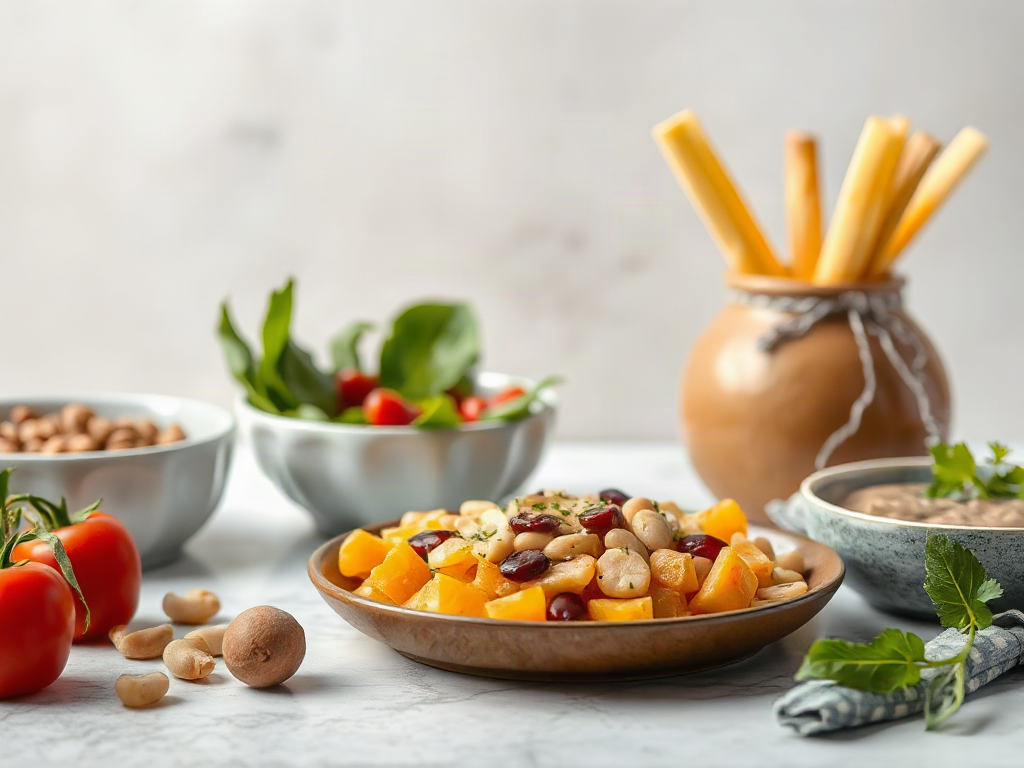
Liver friendly diet meals without extreme restrictions combine vegetables, whole grains, beans, fruit, fish or other lean proteins, and unsaturated fats while limiting alcohol, sugary drinks, heavily processed meat, and oversized portions. A practical plate can use half non-starchy vegetables, one quarter protein, and one quarter high-fiber carbohydrate without banning familiar dishes. Cooking methods such as baking, grilling, steaming, and sautéing with modest oil make meals easier to repeat. The best choices still depend on the liver condition, medications, appetite, and nutritional status, so anyone with cirrhosis, fluid retention, diabetes, or unexplained weight loss should seek individualized clinical advice.
What Makes a Meal Liver Friendly?
A liver-friendly meal is primarily a balanced, minimally processed meal rather than a special collection of detox foods. The liver handles nutrients, produces bile, stores energy, and processes alcohol and many medications. Dietary patterns that repeatedly deliver excess calories, refined carbohydrates, or alcohol can add to its workload, particularly when a person already has metabolic risk factors or diagnosed liver disease.
The most useful foundation is a varied combination of vegetables, intact or minimally processed grains, legumes, fruit, lean protein, and predominantly unsaturated fat. Fiber-rich foods such as oats, lentils, chickpeas, barley, berries, and leafy vegetables tend to be more filling than refined alternatives. That can make portion control easier without requiring a person to tolerate constant hunger. Fish, skinless poultry, tofu, beans, eggs, and plain yogurt offer practical protein choices, while olive oil, nuts, seeds, and avocado can replace some butter, shortening, or fatty processed meat.
No single ingredient cleanses the liver. Lemon water, beet juice, herbal teas, and concentrated supplements are often marketed in that language, but they do not substitute for a consistent eating pattern or medical care. Some herbal products may also interact with medicines or harm the liver. A familiar meal such as grilled chicken, brown rice, roasted peppers, and a yogurt-based sauce is generally more useful than an expensive cleanse because it supplies protein, fiber, and manageable energy in an ordinary portion.
Preparation changes the nutritional profile without forcing a completely different menu. Baking fish instead of deep-frying it lowers the amount of added fat; adding beans and vegetables to chili increases fiber while allowing a smaller serving of meat; and choosing water or unsweetened coffee instead of soda removes a concentrated source of sugar. These swaps preserve the structure and flavor of recognizable meals.
The phrase “liver friendly” also has limits. Someone with uncomplicated fatty liver risk may focus on meal quality, sustainable weight management, and alcohol intake. A person with cirrhosis, ascites, poor appetite, or muscle loss may need different priorities involving sodium, meal timing, protein, or calorie density. Restricting food aggressively without knowing the diagnosis can worsen undernutrition. The practical implication is to improve the broad pattern first, then apply condition-specific limits with a clinician or registered dietitian.
How Can You Build Balanced Plates Without Food Bans?
A repeatable plate structure reduces decision fatigue while leaving room for personal and cultural preferences. For a typical main meal, begin with a generous portion of non-starchy vegetables, add a palm-sized source of protein, and include a moderate serving of whole grain, beans, potato, or another carbohydrate. Add a small amount of unsaturated fat for flavor and satisfaction rather than treating all fat as harmful.
| Plate Component | Practical Choices | What to Watch |
|---|---|---|
| Vegetables | Broccoli, greens, peppers, tomatoes, carrots | Cream sauces and heavily salted seasoning blends |
| Protein | Fish, beans, tofu, eggs, chicken, plain yogurt | Frequent processed or high-fat meat |
| Carbohydrate | Oats, barley, brown rice, corn, potato, whole-grain bread | Oversized portions and sugar-heavy toppings |
| Fat and flavor | Olive oil, nuts, seeds, avocado, herbs, citrus | Free-pouring oil and large amounts of butter |
This template is flexible rather than mathematical. Bean tacos can fit when corn tortillas are filled with black beans, cabbage, tomato salsa, and avocado. Pasta does not have to disappear; a moderate serving can be paired with tomato sauce, mushrooms, spinach, and fish or lentils. Pizza can be an occasional meal accompanied by salad and water rather than a reason to abandon the eating plan for the rest of the week.
Portion size matters because even nutritious foods provide energy. Nuts, olive oil, avocado, and whole grains can fit a liver-conscious pattern, but unlimited amounts may work against gradual weight loss when weight reduction is medically appropriate. At the other extreme, cutting carbohydrates, fats, and animal foods simultaneously often produces a narrow diet that is hard to sustain. A better test is whether the meal keeps hunger reasonably steady, includes a clear protein source, and can be repeated without compensatory overeating later.
Use a compact meal-building check before changing the entire menu:
- Identify the protein. Include beans, fish, poultry, tofu, eggs, or another suitable option.
- Add plants. Choose at least one vegetable and use fruit as a snack or naturally sweet finish.
- Choose the carbohydrate deliberately. Favor higher-fiber versions most of the time.
- Measure concentrated extras. Pour oil, dressings, and sweeteners with intention rather than automatically.
- Check the drink. Water, sparkling water, or an unsweetened beverage is usually the simplest default.
An approach is working when meals feel satisfying, grocery shopping remains realistic, and the pattern can continue through workdays and social occasions. Persistent hunger, dizziness, unintended weight loss, anxiety around ordinary foods, or repeated binge-and-restrict cycles signal that the plan is too severe or requires professional adjustment.
Liver Friendly Breakfast, Lunch, and Dinner Ideas
Useful meal ideas rely on common ingredients and adjustable portions rather than specialty products. Breakfast could be oatmeal cooked with milk or an unsweetened fortified alternative, topped with berries, walnuts, and cinnamon. Compared with a large pastry and sweetened coffee, it provides more fiber and protein with less added sugar. A savory option is eggs with spinach, tomatoes, and whole-grain toast.
For lunch, try a lentil and vegetable soup with whole-grain bread and plain yogurt, or assemble a grain bowl with barley, chickpeas, cucumber, tomatoes, greens, and lemon-olive oil dressing. If a deli sandwich is more practical, use roasted chicken or tuna, plenty of vegetables, mustard, and whole-grain bread. That is generally a better routine choice than relying daily on salami, bacon, or other processed meat, especially when sodium is a concern.
Dinner can retain familiar comfort-food qualities. Turkey-and-bean chili, baked salmon with potatoes and green beans, tofu stir-fry with brown rice, or chicken fajitas with peppers and black beans all offer balanced combinations. Flavor can come from garlic, cumin, smoked paprika, ginger, vinegar, fresh herbs, citrus, or chiles. These seasonings are especially useful when a clinician has recommended reducing sodium, although packaged sauces and spice blends still need label checks.
Convenience foods are not automatically disqualified. Frozen vegetables without heavy sauces, canned beans rinsed before use, canned fish, microwavable plain grains, and rotisserie chicken with the skin removed can shorten preparation. For example, a rushed dinner might combine rinsed low-sodium beans, frozen mixed vegetables, a pouch of plain brown rice, salsa, and sliced avocado. The tradeoff is that packaged items vary substantially in sodium, added sugar, and saturated fat, so compare labels within the same product type rather than assuming every canned or frozen food is equivalent.

Snacks should solve a real need rather than become a continuous source of extra calories. Fruit with a small handful of nuts, vegetables with hummus, or plain yogurt with berries combines fiber or protein more effectively than sweets alone. People with poor appetite or advanced liver disease may need planned snacks for a different reason: meeting energy and protein needs. That situation should not be managed using generic weight-loss advice.
Batch preparation makes this style of eating easier without demanding identical meals. Cook one grain, roast two trays of vegetables, and prepare a protein such as lentils or chicken. Those components can become a bowl, wrap, soup addition, or salad over several days. If boredom appears, change sauces and seasonings before abandoning the core ingredients. A failing plan usually depends on elaborate recipes every night or treats one imperfect meal as proof that the entire week is lost.
Which Restrictions Actually Deserve Priority?
Alcohol deserves clearer attention than most fashionable food prohibitions because the liver processes it directly. The appropriate limit is not identical for everyone. People with liver disease may be advised to avoid it, and anyone uncertain about safety should ask the clinician who knows the diagnosis, medicines, and laboratory findings. Saving alcohol for weekends does not necessarily remove concern if the amount consumed at one time is high.
Sugary drinks are another strong priority because soda, sweet tea, energy drinks, and many juice beverages deliver sugar quickly without much fullness. Replacing them with water, sparkling water, or unsweetened drinks is often less disruptive than removing bread, fruit, dairy, and every dessert at once. Whole fruit differs from juice because its intact structure and fiber generally make it more filling. Juice may still fit in a small portion, but it should not be treated as unlimited simply because it comes from fruit.
Highly processed meats and frequent fried meals are reasonable targets for reduction, not grounds for fear of all dietary fat or animal protein. Unsaturated fats from fish, nuts, seeds, and olive oil play a different role in a meal than repeated servings of fatty sausage, fried fast food, or pastries made with substantial saturated fat. Similarly, protein is not automatically harmful to the liver. People with advanced disease need individualized guidance, and arbitrary protein restriction can be especially problematic when muscle loss or poor intake is present.
Sodium becomes more clinically significant when liver disease causes fluid retention or ascites. In that setting, restaurant meals, canned soups, cured meats, salty snacks, and bottled sauces can contribute more than the salt shaker. A clinician may provide a specific target, but severe self-imposed restriction can make food unpalatable and reduce intake. Label comparison, rinsing canned foods, cooking more meals at home, and using acids and herbs for flavor are more workable than eating an extremely bland diet without professional direction.
Supplements require restraint as well. Products described as liver cleanses, fat burners, or concentrated botanical blends may contain multiple active compounds, inconsistent doses, or ingredients that interact with medicines. “Natural” does not establish liver safety. Bring the actual product label to a pharmacist or clinician before using it, particularly when liver tests are abnormal.
Prioritize changes by impact and sustainability: address alcohol according to medical advice, replace routine sugary drinks, improve the balance of ordinary meals, and reduce heavily processed choices that dominate the week. Then refine sodium, protein, meal timing, or calorie intake according to the diagnosed condition. If jaundice, abdominal swelling, confusion, vomiting blood, black stools, or rapid unexplained weight change occurs, dietary experimentation is not the appropriate response; prompt medical assessment is needed.
Frequently Asked Questions
Do I have to stop eating carbohydrates for a liver-friendly diet?
No. Oats, beans, barley, potatoes, brown rice, fruit, and whole-grain bread can fit. Portion size and the overall pattern matter more than banning all carbohydrates.
Can I eat eggs if I am trying to support liver health?
Eggs can provide protein within a varied diet. Preparation and accompaniments matter: eggs with vegetables and whole-grain toast differ from a meal dominated by processed meat and fried sides.
Is coffee considered liver friendly?
Unsweetened coffee can fit many eating patterns, but it is not a treatment. Caffeine tolerance, pregnancy, sleep, heart rhythm concerns, and added sugar or cream may affect whether it is appropriate.
Are occasional desserts allowed?
An occasional moderate portion can fit for many people. Frequent large desserts and sugary drinks are more concerning than a planned serving eaten within an otherwise balanced pattern.
When should I ask a dietitian for a personalized plan?
Seek individualized guidance after a liver diagnosis, or when ascites, diabetes, poor appetite, muscle loss, unintended weight change, kidney problems, or medication-related restrictions complicate food choices.
Conclusion
A workable liver-conscious menu should improve the quality and balance of familiar meals without creating unnecessary food fear. Build most plates around vegetables, a suitable protein, a measured portion of higher-fiber carbohydrate, and a modest amount of unsaturated fat. Give greater attention to alcohol, sugary drinks, heavily processed meat, frequent fried food, and portions than to supposed detox ingredients.
Choose two or three changes that fit the current routine: replace a regular sweetened drink, add beans or vegetables to a familiar dish, and prepare one dependable protein for the week. Check whether hunger, energy, weight direction, and adherence remain manageable. A diagnosed liver condition changes the decision process, particularly when fluid retention, poor intake, or muscle loss is present. In that case, use medical and dietetic guidance to set sodium, protein, calorie, and alcohol recommendations instead of applying a restrictive internet plan.