
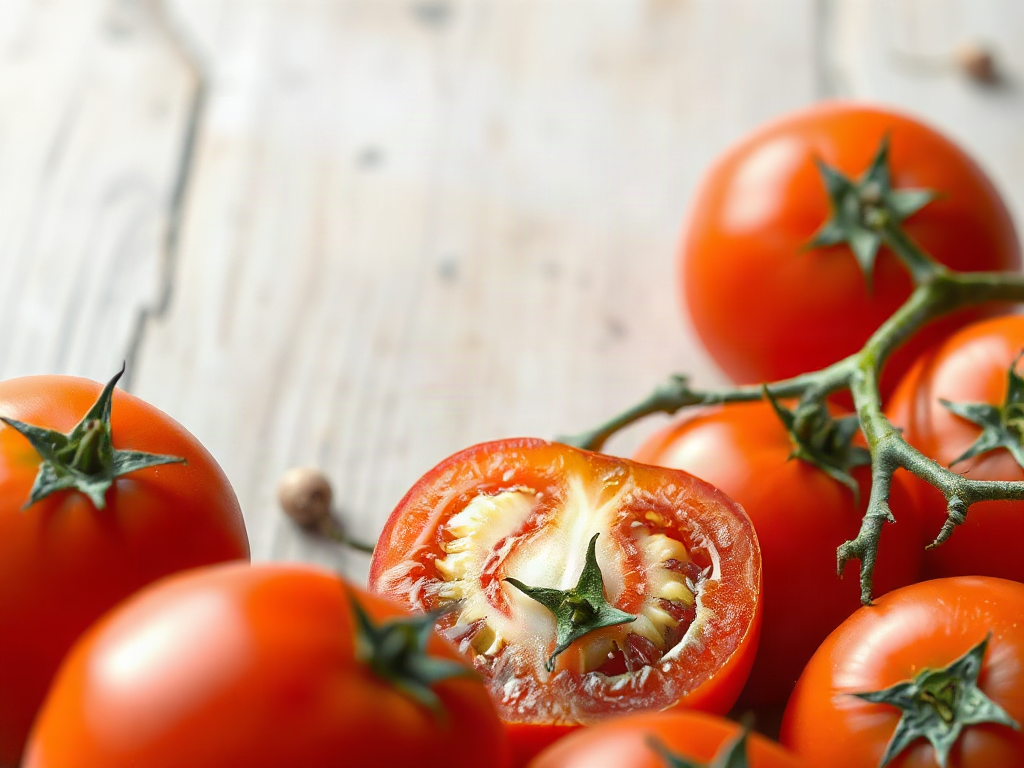
Tomato nutrition varies with variety, ripeness, and preparation: cherry and deeply colored tomatoes may provide more concentrated carotenoids per bite, fully ripe fruit generally contains more lycopene than underripe fruit, and cooking makes lycopene easier to absorb while reducing some vitamin C. Eating tomatoes with olive oil, avocado, or another dietary fat can further improve carotenoid uptake. Fresh tomatoes retain heat-sensitive nutrients and offer texture, whereas sauces and pastes concentrate solids, calories, and sometimes sodium. The most useful approach is to alternate raw and cooked tomatoes rather than treating one form as nutritionally superior.
Which Tomato Varieties Offer the Most Nutrition?
Tomato type influences nutrient concentration, but no single cultivar is the best choice in every meal. Most tomatoes supply water, fiber, vitamin C, potassium, folate, and carotenoid pigments. Their exact composition changes with genetics, growing conditions, storage, and the amount eaten. A dark red cherry tomato and a pale beefsteak can therefore differ even when both are fully ripe.
Small tomatoes often have a higher proportion of skin and solids relative to their watery interior. Because carotenoids and other plant compounds are not distributed uniformly through the fruit, cherry and grape tomatoes may deliver a more concentrated bite than a large, high-moisture slicing tomato. Their sweetness can also make them easy to eat in larger portions. That practical serving difference may matter more than a modest laboratory difference between cultivars.
Plum or Roma-style tomatoes contain less free water and more flesh, which suits sauce, roasting, and paste. A large beefsteak usually provides more volume and moisture for sandwiches or salads but may taste less intense per ounce. Yellow and orange tomatoes contain different proportions and forms of carotenoids than red tomatoes. Red fruit is generally associated with more lycopene, while orange and yellow fruit can contribute beta-carotene and other pigments. Purple or very dark cultivars may contain anthocyanin pigments in or near the skin, although color alone does not establish a precise nutrient value.
Green tomatoes require a distinction. A mature green cultivar that is meant to remain green is not the same as an underripe red tomato. Both can contribute nutrients, but an underripe tomato has not completed the pigment and flavor changes associated with ripening. It is also firmer and more acidic, which may be desirable for frying, pickling, or relishes rather than fresh eating.
A common mistake is ranking varieties from appearance or marketing language alone. Heirloom describes seed history and breeding, not a guaranteed nutrient advantage. Organic production likewise does not reliably identify the most nutrient-dense tomato. For everyday use, choose deeply colored, flavorful fruit that fits the dish, then vary colors and sizes over time. Consistently eating tomatoes in useful portions is more consequential than searching for one supposedly superior cultivar.
How Does Ripeness Change Tomato Nutrients?
Ripening converts a firm, green tomato into a softer fruit with different pigments, aromas, acids, and sugars. Chlorophyll declines while carotenoids accumulate, producing the familiar red, orange, or yellow color. In red cultivars, lycopene generally rises as the tomato reaches full color. Flavor becomes sweeter and more aromatic because acids, sugars, and volatile compounds are changing at the same time.
Vitamin C does not follow a perfectly uniform path across every cultivar and storage condition. A tomato picked too early may develop acceptable exterior color indoors without building the same flavor profile it would have achieved with more time on the plant. Conversely, leaving ripe fruit in heat or storing it for too long can accelerate softening and nutrient degradation. Ripeness is therefore better judged through several signs rather than color alone: the fruit should show the expected mature color, yield slightly to gentle pressure, and smell distinctly tomato-like near the stem.
Refrigeration presents a quality tradeoff rather than a simple nutrition rule. Chilling can protect a ripe tomato from rapid spoilage, especially in a warm kitchen, but prolonged cold storage may dull aroma and create a mealy texture. Keep firm, not-yet-ripe tomatoes at room temperature away from direct sun. Once they are fully ripe, use them promptly or refrigerate them to prevent waste, then allow them to warm before serving. Saving a ripe tomato from spoilage is more useful than discarding it to preserve an idealized storage practice.
Damage changes the decision. Small surface blemishes can often be trimmed, but mold, leaking flesh, fermentation odors, or extensive breakdown are reasons to discard the fruit. Softness by itself may simply indicate a tomato that is better for sauce than slicing. Roasting a tray of very ripe tomatoes, for example, turns a texture problem into a concentrated soup or pasta base.
The weak assumption to avoid is that darker or softer always means more nutritious. Color indicates pigment development, not the status of every vitamin or mineral, and overripe fruit continues to deteriorate. Aim for full cultivar-appropriate color and sound flesh, then match the tomato’s texture to an immediate use.
Raw, Cooked, Canned, and Dried Tomatoes Compared
Preparation changes what a tomato provides per serving and how readily the body can use some compounds. Raw tomatoes preserve more heat-sensitive vitamin C and retain their fresh texture. Heating breaks down plant cell structures and changes carotenoid forms, which can make lycopene more accessible during digestion. Neither result makes raw or cooked tomatoes universally better.
| Tomato Form | Main Nutritional Advantage | What to Check | Useful Application |
|---|---|---|---|
| Raw | Retains vitamin C and water | Ripeness and freshness | Salads, salsa, sandwiches |
| Cooked or roasted | More accessible lycopene | Added oil, salt, and scorching | Soups, pasta, grain bowls |
| Canned | Convenient ripe fruit year-round | Sodium and added seasonings | Stews, curries, sauces |
| Paste | Concentrated tomato solids | Portion size and sodium | Flavor base, braises |
| Sun-dried | Concentrated flavor and solids | Salt, oil, and calorie density | Small additions to salads or beans |
Canned tomatoes are typically processed from ripe fruit, and the heating used in canning supports carotenoid availability. They are not nutritionally equivalent to the same volume of fresh tomato because drained solids, liquid, and concentration differ. Products packed with salt may also contribute considerably more sodium. Comparing labels is especially useful when tomato sauce, paste, canned tomatoes, and broth appear together in one recipe. No-salt-added tomatoes let the cook control seasoning later.
Paste and sun-dried tomatoes concentrate tomato solids by removing water. A spoonful of paste can contain more carotenoid-rich material than a spoonful of chopped fresh tomato, but it is not a direct serving-for-serving replacement. Oil-packed dried tomatoes add energy from oil, while dry-packed products may be salty and chewy. Ketchup and sweetened tomato sauces should not be treated as interchangeable with plain tomatoes because added sugar and sodium can reshape the food’s nutritional profile.
Cooking time and technique also matter. A quick sauté softens tissue while retaining some freshness; a long simmer causes greater vitamin C loss but creates a concentrated sauce. Charring can add flavor, yet burning is not required for nutritional benefit. Use moderate heat, retain cooking liquid when possible, and avoid assuming that a heavily processed tomato product is superior merely because it contains concentrated lycopene.
How Can You Get More From Tomato Carotenoids?
Carotenoids are fat-soluble, so a meal containing some dietary fat generally supports their absorption better than a completely fat-free serving. The fat does not need to be excessive. Olive oil in tomato sauce, avocado in salsa, tahini beside roasted tomatoes, or nuts in a tomato-based grain bowl can provide a practical pairing.
Physical processing matters as well. Chopping, crushing, pureeing, and heating disrupt cell structures that otherwise hold pigments within plant tissue. A gently cooked tomato sauce with olive oil therefore combines two useful conditions: tissue breakdown and dietary fat. Raw tomatoes still have value, particularly when vitamin C, hydration, crunch, and minimal processing are priorities. Pairing raw tomato with an oil-based vinaigrette is a simple way to preserve those qualities while supporting carotenoid uptake.
A useful preparation sequence is compact:
- Choose sound, mature fruit: use fully colored tomatoes for raw dishes and soft ripe tomatoes for cooking.
- Cut or crush them: smaller pieces expose more tissue during preparation and digestion.
- Add moderate heat when appropriate: simmer or roast rather than burning the surface.
- Include a source of fat: use olive oil, seeds, nuts, avocado, eggs, or another meal-appropriate option.
- Control concentrated additions: check sodium, sugar, and oil in packaged sauces and dried tomatoes.
More oil does not mean proportionally more absorption, and adding large amounts can turn a light dish into an energy-dense one. People who limit fat for a medical reason should follow individualized clinical advice rather than changing their intake solely for carotenoids. Tomato products also do not treat disease, and lycopene content should not be used as a reason to overlook the balance of the full meal.
Signs that the approach is working are culinary as much as nutritional: tomatoes appear regularly in meals, ripe fruit is used before it spoils, and both fresh and cooked forms fit the menu. A plan is failing when jars of sauce become the main source but bring unwanted sodium or added sugar, or when fresh tomatoes are bought for an ideal recipe and repeatedly discarded. Sustainable variety beats a rigid preparation rule.
Choosing the Right Tomato for a Meal
The best tomato choice depends on the intended texture, nutrient priority, season, budget, and available cooking time. For a hydrating lunch salad, fresh cherry tomatoes offer convenience and concentrated flavor without chopping a large fruit. For a winter stew, canned whole tomatoes may provide better ripeness, consistency, and value than pale out-of-season slicers. For a quick flavor base, a measured amount of paste supplies intensity without a long reduction.
Prioritize the meal rather than an isolated nutrient. Someone serving tomatoes with beans and whole grains might simmer canned tomatoes into the dish, add olive oil, and finish with herbs. A person wanting a crisp side could combine ripe tomato with cucumber, avocado, and lemon. Both meals use tomato effectively even though their vitamin C retention and lycopene availability differ.
Acid sensitivity, allergies, kidney-related dietary restrictions, or interactions with an individualized eating plan can affect suitability. Tomatoes are acidic, and concentrated sauces may be less comfortable for some people than a modest portion of fresh tomato, although personal tolerance varies. Potassium content may require attention for people following medically prescribed restrictions. These concerns call for tailored guidance from a qualified clinician or dietitian rather than broad avoidance advice.
Use this purchasing priority: first avoid spoilage, then select the form that suits the recipe, and Ultimately compare labels where processing adds ingredients. Fresh tomatoes should feel appropriately firm and smell fresh; canned products should have intact containers and a short ingredient list suited to the dish. For sauce, plain crushed or whole tomatoes often allow better control than a fully seasoned jar. When buying sun-dried tomatoes, decide whether the recipe benefits from oil-packed tenderness or dry-packed concentration.
The most common failure is paying more for a specialty tomato while ignoring portion and use. An expensive heirloom that is eaten ripe may be a better purchase than cheaper fruit that remains hard and is discarded, but price does not prove nutritional superiority. Rotate red, orange, yellow, small, large, fresh, and cooked tomatoes as availability permits. That pattern broadens culinary use and pigment exposure without requiring precise nutrient calculations.
Frequently Asked Questions
Are Cherry Tomatoes More Nutritious Than Large Tomatoes?
Cherry tomatoes may provide more skin and solids relative to water, but nutrient levels vary by cultivar and ripeness. Choose the type you will eat in a useful portion rather than assuming size alone determines quality.
Do Cooked Tomatoes Have More Lycopene?
Cooking does not necessarily create more lycopene, but it breaks down plant tissue and can make existing lycopene easier to absorb. Concentrated products may contain more tomato solids per spoonful.
Do Tomatoes Lose Vitamin C When Cooked?
Heat can reduce vitamin C because it is heat-sensitive. Shorter cooking and retaining the cooking liquid may limit losses, while raw tomatoes remain a practical source alongside cooked forms.
Are Canned Tomatoes as Healthy as Fresh Tomatoes?
Plain canned tomatoes remain nutritious and provide accessible carotenoids, especially when fresh fruit is out of season. Check sodium, added sugar, and seasonings rather than rejecting canned tomatoes automatically.
Should Tomatoes Be Stored in the Refrigerator?
Keep unripe tomatoes at room temperature. Refrigerate fully ripe fruit when necessary to slow spoilage, then let it warm before eating to improve aroma and texture.
Conclusion
Use variety, maturity, and preparation as complementary choices rather than competing nutrition claims. Select fully colored tomatoes with sound flesh, use delicate ripe fruit raw, and redirect softer tomatoes into soups or sauces before they spoil. Rotate fresh tomatoes with plain canned products, roasted fruit, and modest amounts of paste to gain both heat-sensitive nutrients and more accessible carotenoids.
Match the form to the meal: fresh for texture and vitamin C retention, cooked for concentrated flavor and lycopene availability, and canned for dependable year-round value. Include a moderate source of dietary fat when it suits the dish, while checking packaged products for sodium, sugar, and excess oil. The practical next step is to review how tomatoes are actually used in your kitchen and choose two forms—one fresh and one cooked—that can be eaten consistently without waste.