
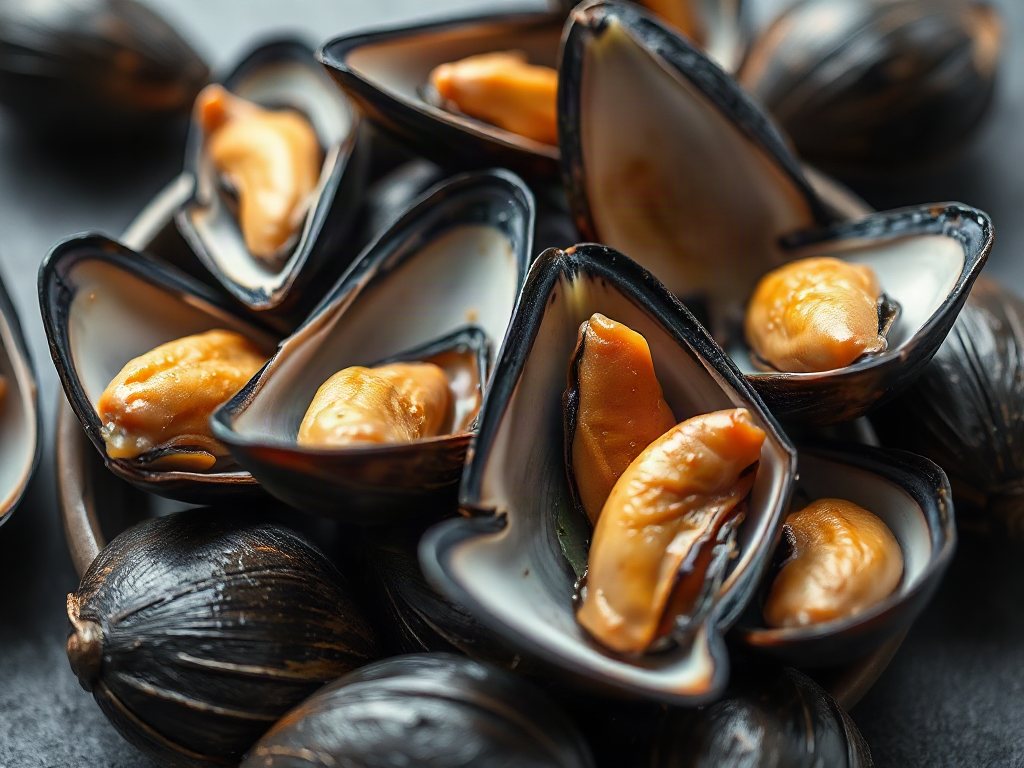
Mussels provide complete protein along with vitamin B12, iron, selenium, manganese, and marine omega-3 fats, but their value depends on safe sourcing and handling. They are relatively lean and nutrient-dense, although exact amounts vary by species, growing waters, preparation, and serving size. Buy mussels from a traceable refrigerated source, discard damaged or unresponsive live shells, keep them cold, and cook them thoroughly because contaminated shellfish may carry pathogens or marine toxins. People with a shellfish allergy should avoid mussels, while anyone who is pregnant, immunocompromised, older, or managing a medical condition should follow individualized seafood advice.
What Nutrients Do Mussels Provide?
Mussels concentrate several nutrients into a relatively lean seafood serving. Their flesh supplies all nine essential amino acids, substantial vitamin B12, and useful amounts of iron, selenium, manganese, and other micronutrients. They also contain marine omega-3 fats, although oily fish such as sardines, salmon, and mackerel generally provide more fat per serving.
The nutritional profile reflects how mussels live. As filter-feeding mollusks, they obtain nutrients from suspended material in the water and build muscle inside a mineral-rich shell. Species, season, growing location, and whether the product is raw, cooked, canned, or packed in sauce can all change the figures shown in a nutrient database. Cooking also removes water, so nutrients may appear more concentrated per 100 grams even when no additional nutrient has been added.
A practical comparison is more useful than treating mussels as a miracle food. Compared with many cuts of red meat, plain steamed mussels tend to provide less total fat while still contributing protein, iron, and B12. Compared with beans, they contain complete protein and readily usable B12, but lack fiber and do not replace plant foods. Compared with salmon, they are usually leaner and may supply less omega-3 fat, while offering a different mineral mix.
Preparation can alter the meal more than the mussels themselves. Steaming them with tomatoes, garlic, herbs, and a modest amount of olive oil preserves their role as a lean centerpiece. Cream sauces, large quantities of butter, salty broths, or oversized portions of fries add saturated fat, sodium, or calories that are not inherent to the shellfish. Canned and smoked versions can also be convenient, but their labels deserve attention because sodium and added oil vary considerably.
The common mistake is assuming that nutrient density makes unlimited portions appropriate. Mussels work best as one component of a varied eating pattern that includes vegetables, whole grains or other fiber-rich foods, and additional protein sources. People tracking sodium, iron, purines, or total seafood intake should assess the complete meal and their personal health needs rather than relying on a single favorable nutrient claim.
How Much Protein Do Mussels Contain?
Mussels are a complete animal-protein source, but the amount on the plate depends heavily on whether a serving is weighed in or out of the shell. Shell-on weight includes a large inedible portion, making it a poor comparison with a skinless fish fillet, chicken breast, tofu, or cooked beans. Nutrition databases generally report edible meat, while restaurant menus may describe the weight of the entire pot.
Protein is made of amino acids used to maintain muscle, enzymes, immune components, and other tissues. Mussels provide essential amino acids that the body cannot make on its own. That makes them useful for someone seeking variety beyond poultry or red meat, but it does not mean they build muscle more effectively than every other complete protein. Total daily intake, energy intake, training, age, and meal pattern all influence how dietary protein is used.
For a realistic meal, judge the edible yield rather than the number of shells. A bowl containing many small mussels may provide less meat than expected, especially when served primarily in broth. If protein is the meal priority, pair a moderate portion with another substantial food rather than assuming the shell volume guarantees a high-protein dinner. Lentils, white beans, or a whole-grain side can add more protein as well as fiber; bread mainly used to absorb butter or cream sauce changes the balance in another direction.
| Comparison point | What to check | Why it matters |
|---|---|---|
| Shell-on mussels | Edible meat after cooking | Total purchase weight overstates the portion eaten |
| Packaged mussel meat | Serving size and drained weight | Liquid, oil, or sauce may be included in net weight |
| Restaurant dish | Sauce and side dishes | The complete meal may be far richer than plain mussels |
| Home-cooked serving | USDA data or the package label | Values differ by product and preparation |
A frequent error is quoting one protein number as universal. Raw and cooked entries are not interchangeable, and drained canned mussels differ from shell-on fresh mussels. Use the product label when available; otherwise, match the species and preparation as closely as possible in USDA FoodData Central. For general meal planning, exact gram-level precision is usually less useful than confirming that the serving contains a meaningful amount of edible mussel meat and fits the rest of the day’s protein intake.
Which Minerals and Vitamins Stand Out?
Vitamin B12, iron, selenium, and manganese are among the most notable micronutrients in mussels. B12 participates in red blood cell formation and normal neurological function. Iron contributes to oxygen transport, while selenium is involved in antioxidant enzymes and thyroid hormone metabolism. Manganese supports several enzyme systems, although more is not automatically better.
The iron in mussels includes heme iron, which is generally absorbed more readily than the non-heme iron found in plant foods. This can make mussels a useful dietary option for some people who eat seafood but little meat. It should not be treated as a treatment for fatigue or suspected anemia, however. Low energy has many possible causes, and iron supplementation or aggressive dietary changes without appropriate assessment can be unhelpful or harmful.
B12 is especially relevant to people who limit land-animal foods but still eat shellfish. Mussels can contribute a considerable amount within a varied pescatarian diet. They are not suitable for vegans, and occasional intake should not be assumed to correct a diagnosed deficiency. Absorption problems, medication effects, and medical conditions may require testing and clinician-directed care even when dietary intake appears adequate.
The most useful way to interpret mussel micronutrients is to consider dietary gaps rather than collecting impressive nutrient lists. Someone who already eats fish, eggs, dairy, meat, and fortified foods may receive plenty of B12 from several sources. Someone eating mostly plant foods may find the B12 and heme iron more distinctive, provided shellfish fits their preferences and medical needs. Selenium intake also comes from fish, eggs, meat, grains, and nuts, so mussels need not carry the entire burden.
Beware of the assumption that a high mineral concentration makes a food appropriate for every condition. People with iron-overload disorders, advanced kidney disease, gout concerns, or prescribed dietary restrictions may need individualized limits. Mussels contain purines, and sauces can add substantial sodium. A registered dietitian or treating clinician can interpret these factors in the context of laboratory results, medications, kidney function, and the overall diet rather than judging the food in isolation.
How to Buy, Store, and Cook Mussels Safely
Safe mussels begin with a commercial source that maintains refrigeration and can identify where the shellfish came from. Filter feeders can concentrate microorganisms or naturally occurring marine toxins from their environment. Appearance and smell cannot reliably reveal every hazard, which is why regulated harvesting waters, traceability, temperature control, and official closures matter more than a home freshness test.
Live mussels should generally have intact shells and respond when handled; shells that remain open after a gentle tap may indicate a dead animal. Discard cracked or badly damaged shells. A clean ocean-like odor is preferable to a strong sour or decomposed smell, but acceptable odor does not prove the absence of pathogens or toxins. Do not buy unrefrigerated shellfish from an unknown seller or harvest recreationally without checking current local advisories.
Keep live mussels cold and allow air circulation rather than sealing them in standing water or an airtight container. Follow the seller’s storage instructions and use them promptly. Prevent raw juices from contacting produce, cooked food, utensils, and refrigerator shelves. Frozen, canned, or fully cooked packaged mussels should be handled according to their labels, including thawing and use-after-opening directions.
A Practical Safety Checklist
- Verify the source: Choose a reputable retailer and retain any harvest or package information until the mussels are eaten.
- Inspect before cooking: Remove broken shells and live mussels that do not respond when tapped.
- Control temperature: Refrigerate promptly and keep raw shellfish separate from ready-to-eat food.
- Cook thoroughly: Follow current government shellfish guidance rather than relying only on shell opening.
- Discard questionable leftovers: Refrigerate cooked mussels promptly and do not taste food to determine whether it is safe.
Cooking can kill many disease-causing microorganisms, but it does not reliably destroy all marine biotoxins. Lemon juice, alcohol, hot sauce, freezing, or a quick sear is not a substitute for approved harvesting and proper cooking. Shell opening is a useful observation during cooking, yet time and temperature guidance from food-safety authorities provides a stronger basis for decisions. If local advice conflicts with a general recipe, follow the current public-health instruction.
A failed approach often looks normal: mussels are gathered from an attractive shoreline, cooked until they open, and assumed safe. Harmful algal toxins and some contamination events may not alter appearance. The corrective step is to check state, provincial, or local shellfish advisories before recreational harvest and respect closures without exception.
Who Should Use Extra Caution?
Anyone with a shellfish allergy should avoid mussels unless an allergy specialist has given different, individualized advice. Mollusks and crustaceans are distinct groups, but cross-reactions can occur, and a previous tolerance of shrimp does not establish that mussels are safe. Restaurant kitchens also create cross-contact risks through shared fryers, grills, utensils, and cooking liquids.
Symptoms after eating shellfish can include hives, swelling, vomiting, breathing difficulty, or dizziness. Severe or rapidly progressing symptoms require emergency care. Food poisoning can also cause gastrointestinal or neurological symptoms, so a reaction should not be self-diagnosed solely from timing. Save package or harvest details when possible and contact an appropriate medical or public-health service if illness follows shellfish consumption.
Pregnant people, older adults, young children, and people with weakened immune systems or certain liver conditions have greater reason to avoid raw or undercooked shellfish. Thorough cooking reduces microbial risk but cannot rescue mussels taken from waters affected by marine toxins. People in higher-risk groups should prioritize commercially sourced, properly refrigerated, fully cooked products and follow current guidance from their clinician and local food-safety authority.
Medication use and chronic disease can change the nutrition decision even when foodborne illness is not the main concern. A person limiting sodium may find plain fresh or frozen mussels easier to fit than a canned, smoked, or restaurant preparation. Someone managing gout may need to consider purine intake and personal triggers. A person with iron overload should not choose mussels merely because iron is usually presented as beneficial.
Choose an alternative when the source is uncertain, the cold chain has been interrupted, shells are badly damaged, an official harvest closure is active, or allergy status is unresolved. A safely handled fish fillet, eggs, poultry, tofu, or beans can provide protein without forcing a questionable shellfish decision. The strongest sign that the approach is working is not simply enjoying the meal; it is having verifiable sourcing, correct storage, suitable preparation, and a choice aligned with the eater’s health circumstances.
Conclusion
Mussels can add complete protein, B12, iron, selenium, manganese, and marine fats to a varied diet without requiring a high-fat preparation. Interpret their nutrition using the edible portion and the actual cooking method, not the size of a shell-filled bowl or a single database number. Plain steamed mussels and heavily salted, sauce-rich dishes are nutritionally different meals.
Safety deserves equal weight. Buy traceable refrigerated shellfish, inspect live mussels, prevent cross-contamination, cook according to current official guidance, and never assume heat neutralizes marine toxins. Check local advisories before recreational harvesting. People with shellfish allergy, elevated foodborne-illness risk, iron or kidney concerns, or prescribed dietary restrictions should use individualized advice. The practical next step is to compare the package label and source information, then choose a preparation that keeps both the nutrients and the risks in view.
Frequently Asked Questions
Are mussels a high-protein food?
Yes. Mussels provide complete protein, but shell-on weight can exaggerate the edible serving. Compare products using cooked edible meat or drained weight rather than the weight of the entire shell-filled package.
Are mussels high in iron and vitamin B12?
Mussels are notable sources of both iron and vitamin B12. Exact amounts vary by species and preparation, and they should not replace medical assessment for suspected anemia or B12 deficiency.
Can you eat mussels that stay closed after cooking?
Shell behavior alone is not a complete safety test. Follow current food-safety guidance and discard mussels that were damaged or unresponsive before cooking; when uncertain about a cooked shell, discarding it is the cautious choice.
Are frozen or canned mussels nutritious?
They can be. Frozen mussel meat remains a convenient protein source, while canned products may contain added oil or substantial sodium. Check serving size, drained weight, sodium, and ingredients.
Does cooking remove all toxins from mussels?
No. Thorough cooking controls many microbial hazards, but some marine biotoxins are heat-stable. Safe harvesting waters, official advisories, traceable sourcing, and refrigeration remain necessary.
Additional Resources
Authoritative Sources
- Are Mussels Good For You Nutritional Health And Culinary ...
bookings.hants.gov.ukFeb 5, 2026 — Mussels are a nutrient-dense seafood option, prized for their high protein content, low fat, and minimal carbohydrates.