
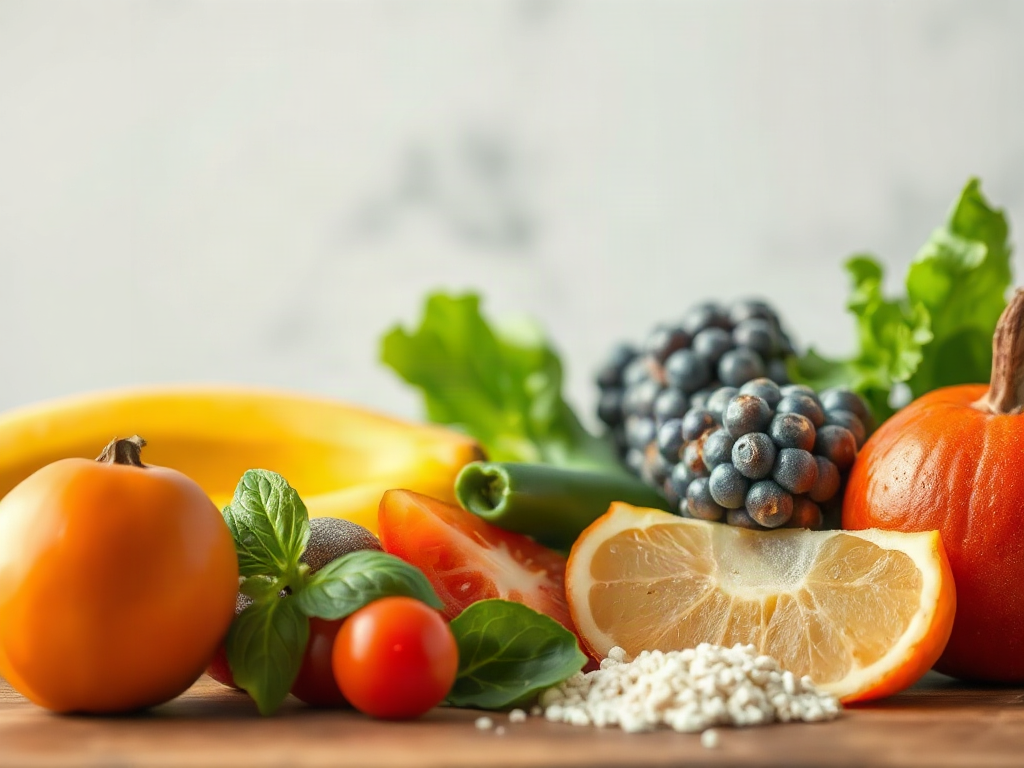
Glutathione foods support natural antioxidant production most reliably by supplying cysteine, glycine, glutamate, selenium, and complementary antioxidants rather than by delivering intact glutathione alone. Protein foods such as eggs, fish, poultry, legumes, and dairy provide amino-acid building blocks, while broccoli, cabbage, garlic, and onions contribute sulfur-containing compounds. Brazil nuts, seafood, and eggs can supply selenium, which is required by glutathione peroxidase enzymes, but excessive selenium is harmful. A varied diet with adequate protein and minimally processed produce is more practical than chasing a single “high-glutathione” food, and food choices should support—not replace—medical care for conditions involving oxidative stress.
How Does the Body Make Glutathione From Food?
Glutathione is a small compound assembled inside cells from three amino acids: cysteine, glycine, and glutamate. Its reduced form can donate electrons during antioxidant reactions, after which cellular enzymes help recycle it. Food therefore contributes in two distinct ways: it may contain some glutathione, and it supplies the raw materials and enzyme-supporting nutrients the body uses to produce and recycle its own supply.
Cysteine commonly receives the most attention because its availability can limit synthesis under some circumstances. That does not mean more cysteine automatically creates proportionally more glutathione. Total protein intake, digestion, energy intake, health status, age, and demands placed on the antioxidant system all influence the process. Glycine may also become relevant when dietary intake is limited or physiological needs are higher. Glutamate, meanwhile, is abundant in many protein-containing foods and is rarely the only dietary constraint.
Foods reported to contain glutathione include asparagus, avocado, spinach, and some meats. Treating those values as a ranking system is misleading, however. Glutathione content varies with freshness, storage, processing, and laboratory methods. Digestion can also break dietary glutathione into smaller components, so a high measured amount in a raw food does not guarantee an equivalent increase inside human cells.
A more dependable approach is to eat enough varied protein while regularly including vegetables that supply sulfur compounds and micronutrients. For example, an omelet with broccoli provides complete protein, cysteine-containing amino acids, and cruciferous plant compounds. A lentil bowl with cabbage and yogurt reaches the same goal through a different mix of plant and animal foods. Neither meal should be presented as a treatment, but both supply materials involved in normal antioxidant metabolism.
The common mistake is searching for one food that supposedly “boosts glutathione” immediately. Cellular antioxidant systems are regulated networks, not storage tanks filled by a single ingredient. Consistent dietary adequacy matters more than occasional large servings, and anyone with a diagnosed medical condition should avoid interpreting antioxidant-oriented eating as a substitute for clinical evaluation or prescribed treatment.
Which Foods Provide the Most Useful Building Blocks?
Protein-rich foods are the practical starting point because they supply all three amino acids used to make glutathione. Eggs, poultry, fish, lean meat, milk, yogurt, cottage cheese, soy foods, lentils, beans, and peas can all contribute. The best choice depends less on a special glutathione label and more on whether the overall diet reliably meets protein and energy needs.
Animal proteins generally provide concentrated amounts of essential amino acids in modest portions. Eggs are especially easy to combine with sulfur-rich vegetables, while fish contributes protein alongside other nutrients. Dairy foods can be useful for someone who needs a convenient snack or has a low appetite. These options are not mandatory: tofu, tempeh, beans, lentils, nuts, seeds, and whole grains can collectively provide the necessary amino acids in a plant-based pattern.
Plant-based eaters benefit from variety across the day rather than trying to create a perfect amino-acid combination at every meal. A breakfast containing oats and soy milk, a lentil lunch, and tofu with brown rice at dinner distributes protein across several sources. Someone eating very small portions, following a highly restrictive diet, or relying heavily on refined snack foods may have more difficulty obtaining adequate protein than a person eating varied plant meals.
Cruciferous vegetables—including broccoli, cauliflower, Brussels sprouts, kale, bok choy, and cabbage—provide glucosinolates and other sulfur-containing compounds. Garlic, onions, leeks, and shallots supply a different family of organosulfur compounds. These vegetables do not replace protein-derived cysteine, but they broaden the dietary compounds associated with cellular defense pathways. Light steaming or sautéing can make them easier to eat regularly; severe overcooking may change sensitive plant compounds, while raw servings may aggravate digestive symptoms in some people.
Use the following priorities rather than attempting to rank every ingredient:
- Secure regular protein: include a meaningful source at each main meal.
- Rotate sulfur-rich vegetables: alternate crucifers with garlic and onion family vegetables.
- Preserve dietary variety: add legumes, whole grains, fruit, nuts, and seeds instead of concentrating on one purported superfood.
- Adjust for tolerance: choose cooked vegetables, lactose-free dairy, or different legumes when digestive symptoms interfere with consistency.
An approach is working when meals are sustainable, protein sources appear consistently, and vegetable variety increases without persistent discomfort. It is failing when rigid food rules reduce total intake, eliminate major food groups without replacements, or turn one ingredient into an oversized daily dose.
Which Supporting Nutrients Matter Beyond Amino Acids?
Selenium, riboflavin, and antioxidant vitamins participate in the wider network surrounding glutathione. Selenium is part of glutathione peroxidase enzymes, which use glutathione during reactions that reduce certain peroxides. Seafood, eggs, meats, dairy products, legumes, and grains can contribute selenium, with amounts varying according to the food and, for plant foods, the soil in which they were grown.
Brazil nuts are frequently promoted as a selenium shortcut, but their selenium content can vary considerably. Eating large quantities or combining them with selenium supplements can produce excessive intake. A modest, varied food pattern is safer than treating Brazil nuts as medicine. People taking supplements or managing thyroid, kidney, or other medical conditions should discuss selenium intake with a qualified clinician rather than estimating need from online food lists.
Riboflavin, found in milk, yogurt, eggs, meats, almonds, mushrooms, and fortified foods, contributes to enzyme systems involved in recycling oxidized glutathione. Vitamin C from citrus, berries, kiwi, peppers, tomatoes, and broccoli works in interconnected antioxidant pathways rather than serving as a direct glutathione ingredient. Vitamin E from nuts, seeds, avocado, and vegetable oils performs antioxidant functions in lipid-rich parts of cells. These nutrients complement one another, but higher intakes are not automatically better.
| Nutritional role | Food examples | Practical caution |
|---|---|---|
| Amino-acid supply | Eggs, fish, yogurt, tofu, lentils | Overall adequacy matters more than one source |
| Sulfur-containing plant compounds | Broccoli, cabbage, garlic, onions | Preparation and digestive tolerance affect use |
| Selenium for glutathione-related enzymes | Seafood, eggs, legumes, Brazil nuts | Supplements and large Brazil-nut servings can oversupply it |
| Complementary antioxidants | Berries, citrus, peppers, nuts, seeds | They support a network rather than replacing glutathione |
Processing deserves context rather than blanket rules. Frozen broccoli and berries remain practical, nutrient-dense choices, while canned beans and fish can make adequate meals affordable and convenient. Draining and rinsing canned beans may reduce sodium. By contrast, a diet dominated by refined foods may displace protein, vegetables, and micronutrient-rich ingredients even if it includes an occasional antioxidant drink.
The weak assumption here is that antioxidant activity measured in a laboratory predicts a specific effect after eating a food. Digestion, metabolism, dose, and the body’s regulation of oxidative reactions complicate that translation. Food variety is therefore a sounder priority than choosing products by an antioxidant score or marketing claim.
How to Build Glutathione-Supportive Meals
A useful meal combines a protein anchor, at least one colorful or sulfur-rich vegetable, and an energy source that makes the pattern satisfying. This structure supplies glutathione precursors without requiring unusual ingredients. It also reduces the chance that an aggressively “clean” plan becomes too low in calories or protein to support normal synthesis and recovery.
For breakfast, eggs with sautéed kale and whole-grain toast offer protein, sulfur-containing plant compounds, and carbohydrate. A plant-based alternative could pair tofu with bok choy and potatoes. At lunch, try lentil soup containing cabbage and tomatoes, accompanied by yogurt or whole-grain bread. Dinner might be salmon with broccoli and brown rice, or tempeh with cauliflower, peppers, and quinoa. Berries, kiwi, nuts, seeds, yogurt, or edamame can strengthen snacks without relying on specialty powders.
Budget constraints do not require abandoning the plan. Dried or canned legumes, eggs, frozen broccoli, cabbage, onions, canned fish, peanut butter, and seasonal fruit are often more economical than branded antioxidant products. Frozen produce also reduces spoilage and prep time. When appetite is limited, smaller concentrated options—such as Greek-style yogurt, eggs, tofu, or a bean spread—may be easier than a large raw salad.
Cooking method should serve consistency and tolerance. Raw vegetables are not inherently superior if they cause bloating or remain uneaten. Steaming broccoli until tender-crisp, roasting cauliflower, or slowly cooking onions can make repeated intake more realistic. Garlic can be added near the end of cooking for a stronger flavor, but there is no need to engineer every meal around maximizing a single unstable compound.
Check the broader pattern over a week rather than judging one plate. Useful signs include protein appearing at most meals, several different vegetables being eaten, and fewer meals built entirely from refined starches. Warning signs include fatigue associated with inadequate intake, persistent digestive symptoms, escalating supplement use, or avoiding prescribed care because foods are expected to correct a medical problem.
Supplements introduce different considerations from whole foods. Products marketed as glutathione, liposomal glutathione, or cysteine precursors vary in formulation, evidence, dose, and potential interactions. They should not be assumed to reproduce the benefits of a balanced diet or to be necessary for everyone. Pregnancy, chronic illness, cancer treatment, kidney or liver disease, and regular medication use are sound reasons to seek individualized guidance before using concentrated antioxidant or selenium products.
Frequently Asked Questions
Which foods are naturally high in glutathione?
Asparagus, avocado, spinach, and some meats contain glutathione, but amounts vary with freshness and processing. Dietary glutathione may also be broken down during digestion, so precursor-rich foods remain relevant.
Are eggs useful for glutathione production?
Eggs provide high-quality protein, including sulfur-containing amino acids used in glutathione synthesis. They are one practical option, not a uniquely required food.
Can a plant-based diet support glutathione synthesis?
Yes. Soy foods, legumes, nuts, seeds, whole grains, cruciferous vegetables, garlic, and onions can contribute relevant amino acids and plant compounds when the diet supplies enough protein and energy.
Does cooking destroy glutathione-supporting nutrients?
Cooking can alter glutathione and some plant compounds, but it may improve digestibility and make vegetables easier to eat consistently. Use varied methods rather than insisting that all produce be raw.
Should I take a glutathione supplement?
A supplement is not automatically necessary, and products differ in formulation and evidence. Ask a qualified healthcare professional before use if you have a medical condition, take medication, or are pregnant.
Conclusion
Prioritize dietary adequacy before searching for a single glutathione-rich ingredient. Regular servings of eggs, fish, dairy, tofu, beans, lentils, or other protein foods provide the amino-acid foundation, while broccoli, cabbage, garlic, onions, fruit, nuts, and seeds broaden the supporting nutrient mix. Selenium deserves particular restraint: normal food variety is preferable to large servings of Brazil nuts or unsupervised supplements.
A practical next step is to review several days of meals and identify the clearest gap. Add a protein source when meals are mostly starch, use frozen cruciferous vegetables when preparation is the barrier, or select cooked produce when raw vegetables cause discomfort. Judge the pattern by consistency, variety, and nutritional adequacy—not antioxidant scores or promises of treating disease. Medical symptoms, restrictive diets, and plans to use concentrated supplements warrant individualized professional advice.