
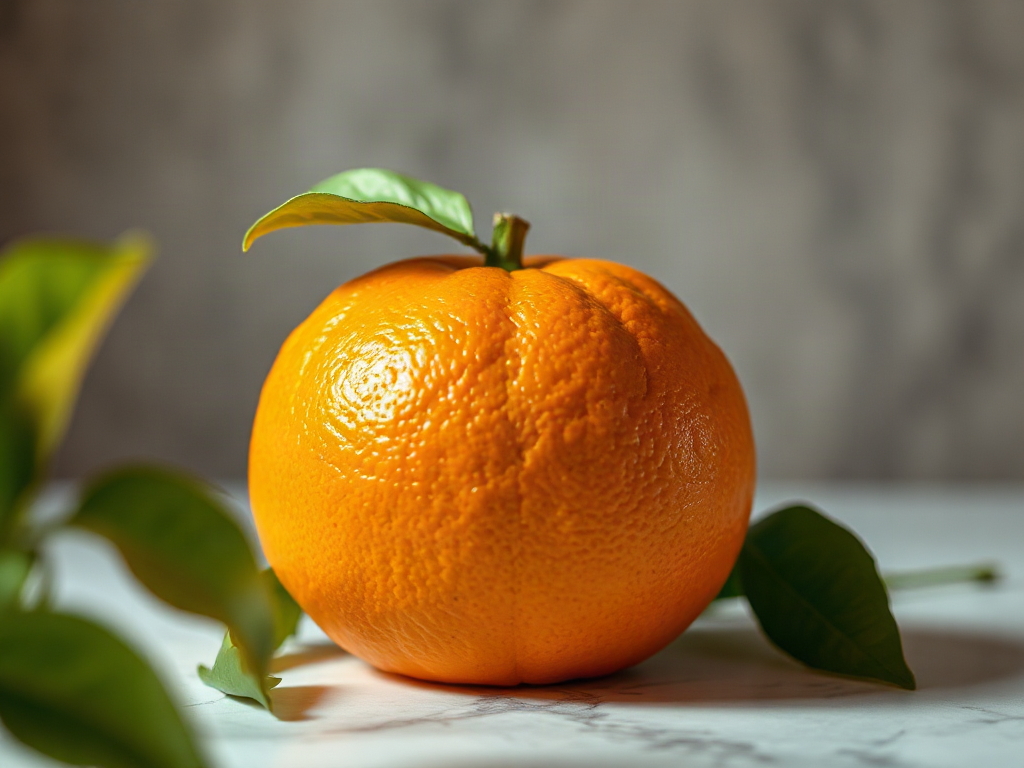
Clementine nutrition labels and serving comparisons are most reliable when servings are matched by weight, because one fruit may weigh roughly 60–90 grams depending on size and how the label defines the edible portion. A typical clementine provides mostly carbohydrate and natural sugars, plus fiber, vitamin C, water, and very little fat or protein. Compare products using the same gram amount—preferably 100 grams—rather than assuming “one fruit” is identical across packages. Check whether a label covers one clementine, two fruits, or a weighed serving, and distinguish naturally occurring fruit sugar from added sugar in canned, dried, or processed products.
How Should You Read a Clementine Nutrition Label?
A clementine label should be read from the serving definition downward, not from the calorie line upward. The serving may be expressed as one fruit, two fruits, a household measure, or a gram weight. Those descriptions are not interchangeable unless the listed weights are also equal. Fruit size, peel thickness, and the amount of edible flesh can all change the quantity represented by “one clementine.”
Start by identifying whether the serving weight refers to the edible portion. Nutrition information ordinarily describes what is eaten rather than the peel, but package wording and database entries can differ. A shopper weighing whole fruit at home will therefore get a larger number than the amount of flesh actually consumed. For a useful comparison, peel the fruit first or use the package’s stated edible serving weight.
The carbohydrate line includes sugars, starch, and fiber, although a label may display fiber and total sugars as separate subentries. Fresh clementines contain naturally occurring sugars within water-rich fruit segments. On a standard U.S. Nutrition Facts panel, those sugars count toward total sugars but should not appear as added sugars unless a sweetener was incorporated during processing. The distinction matters when comparing fresh fruit with syrup-packed cups, sweetened juice products, or candied citrus.
Vitamin C is another common point of confusion. A label may show a percentage Daily Value rather than the nutrient’s weight, while a food database may report milligrams. Percentages and milligrams cannot be compared directly without knowing the Daily Value used by the label. Values may also vary with cultivar, maturity, storage, sampling, and rounding rules, so small differences between two credible entries do not necessarily show a meaningful nutritional advantage.
Use the label as a practical estimate rather than a chemical analysis of the individual fruit in your hand. Calories and macronutrients are rounded under labeling conventions, and fresh produce naturally varies. The common mistake is treating a rounded package value as exact while ignoring a substantial difference in serving weight. For everyday tracking, consistent portions matter more than chasing minor differences between databases.
One Fruit Versus Weight-Based Servings
Weight-based servings provide the cleanest comparison because fruit counts hide differences in size. One small clementine may be a convenient snack unit, but it is not a fixed nutritional unit. If one package defines a serving as two fruits and another uses one larger fruit, their calorie, sugar, fiber, and vitamin figures can look different even when the fruit is nutritionally similar gram for gram.
A 100-gram basis is especially useful for comparing clementines with oranges, mandarins, grapefruit, or packaged citrus. It standardizes the quantity before nutrients are evaluated. A per-fruit basis answers a different question: what will someone consume when eating the whole item? Both views are useful, but they should not be mixed in the same comparison.
| Comparison basis | Best use | Main limitation |
|---|---|---|
| One fruit | Planning a simple snack or packed lunch | Fruit size and edible weight vary |
| Package serving | Following the Nutrition Facts panel | A serving may contain more than one fruit |
| 100 grams | Comparing varieties, databases, or other citrus | Requires weighing or converting the portion |
| Meal portion | Estimating the amount actually eaten | May not match the labeled serving |
Consider a lunch containing two small clementines. If a tracking app uses a database entry for one medium fruit, logging “two clementines” may overstate or understate the meal. Weighing the peeled segments once can reveal whether the app’s gram amount is close. Frequent weighing is usually unnecessary after someone recognizes the typical size purchased at home.
Serving multiplication also deserves attention. When the label covers one fruit but two are eaten, all listed nutrients need to be doubled, including calories, carbohydrate, total sugars, fiber, and micronutrients. Conversely, eating one fruit from a two-fruit serving means the displayed values represent approximately twice the consumed amount, assuming the two fruits are similarly sized.
The priority depends on the decision. Someone casually choosing between whole fruits can use fruit counts without needing laboratory-level precision. A person monitoring carbohydrate intake under guidance from a clinician or dietitian may benefit from gram-based portions and a consistent database entry. The weak approach is switching between “one fruit,” cups, and grams while assuming each entry describes the same amount.
How Do Fresh Clementines Compare With Other Forms?
Fresh clementines differ most from processed citrus in water content, concentration, and serving format. Whole segments retain their natural structure and fiber, while juicing removes or reduces much of the intact pulp. Drying removes water and concentrates carbohydrate and sugars into a smaller weight and volume. Canning may introduce juice, syrup, or sweeteners that change the label beyond what the fruit naturally contains.
A small glass of citrus juice can contain the liquid from multiple pieces of fruit and is usually consumed faster than whole segments. Its label may look modest because the serving is measured in fluid ounces, yet comparing it with one clementine is not an equal-quantity test. Match calories or grams of available carbohydrate if the question concerns energy or carbohydrate intake; match vitamin C per 100 grams if the question concerns nutrient density. No single comparison basis answers every purpose.
Packaged mandarin cups create another practical scenario. Products packed in water or unsweetened juice may resemble fresh fruit more closely than fruit packed in heavy syrup, but the ingredient list and added-sugars line settle the question better than front-label wording. Draining liquid can change what is consumed, although the Nutrition Facts panel may describe the fruit and liquid together. Follow the package instructions and serving description rather than assuming drained values.
Dried clementine or mandarin pieces require smaller portions because water loss makes each bite more concentrated. A serving by weight can contain more pieces and more carbohydrate than expected from its visual size. Sweetened dried fruit or candied peel differs further because added sugar may be a major ingredient. The presence of fruit does not make these products nutritionally equivalent to fresh clementines.

Whole fresh fruit is often the clearest choice when the goal is an easily recognized portion with water, fiber, and no added sweetener. Juice may be useful when chewing whole fruit is impractical, while canned fruit offers storage convenience and dried fruit travels well. Those benefits do not make the forms interchangeable. A failed comparison usually begins with equal volumes—such as one cup of fresh segments versus one cup of dried pieces—without accounting for removed water or added ingredients.
A Practical Serving Comparison Checklist
A sound comparison uses one question, one serving basis, and the same nutrient fields. Decide first whether the goal is portion planning, carbohydrate awareness, vitamin C comparison, or choosing between fresh and packaged fruit. That decision determines which numbers deserve attention and prevents an appealing percentage from distracting from a mismatched serving.
- Confirm the food form. Separate fresh whole fruit from juice, canned fruit, dried pieces, and sweetened citrus products.
- Read the serving description and grams. Note whether the values cover one fruit, multiple fruits, or a measured weight.
- Normalize the portions. Convert both options to the same gram weight or compare the actual amounts you intend to eat.
- Check carbohydrate details. Review total carbohydrate, fiber, total sugars, and added sugars rather than sugar alone.
- Interpret micronutrients consistently. Compare milligrams with milligrams or Daily Value percentages with percentages from labels using the same standard.
Suppose two bags show different calories per serving. Before deciding that one clementine variety is lighter, check whether one serving is a single 70-gram fruit while the other is two fruits weighing considerably more. Dividing the displayed values by the serving grams and multiplying by 100 creates a comparable basis. Because labels use rounded values, the resulting calculation should be treated as an estimate.
Signs that the method is working include comparable serving weights, matching food forms, and nutrient totals that scale logically when the portion changes. A comparison is likely failing if a smaller serving appears to contain more of nearly every nutrient, if added sugars are present on only one product, or if one source reports a peeled edible portion while another includes an undefined fruit count. Recheck the serving line before questioning the nutrient data.
For routine eating, avoid unnecessary precision. Weighing several representative peeled clementines can establish a useful household estimate, after which one familiar fruit count may be adequate. More careful measurement may be warranted when carbohydrate amounts affect a medical nutrition plan. In that setting, package labels and food databases remain estimates, and individualized targets should come from an appropriate healthcare professional rather than from a general comparison chart.
Conclusion
Useful clementine comparisons begin with the amount actually represented on the label. Check the serving description, find the gram weight, and confirm whether the entry describes fresh segments, juice, canned fruit, or a concentrated dried product. For side-by-side evaluation, convert both choices to an equal weight and compare the nutrient relevant to the decision rather than treating every number as equally important.
Fruit counts remain practical for ordinary snacks, but they become unreliable when sizes differ or carbohydrate intake requires closer attention. Added sugars, edible-portion assumptions, and label rounding explain many apparent contradictions. Choose one dependable data source, use it consistently, and regard small numerical differences as estimates. When food tracking is part of a clinical nutrition plan, confirm portion methods and personal targets with a qualified healthcare professional.
Frequently Asked Questions
How many clementines count as one serving?
The label controls the serving definition: it may list one fruit, two fruits, or a gram amount. Use the stated weight when comparing different packages because clementine sizes vary.
Should clementines be compared by fruit count or grams?
Use fruit count for convenient snack planning and grams for accurate product or nutrient comparisons. A 100-gram basis removes most of the distortion caused by different fruit sizes.
Does the sugar in a fresh clementine count as added sugar?
No. The sugar naturally present in fresh fruit contributes to total sugars, not added sugars. Added sugars may appear in syrup-packed, dried, candied, or otherwise sweetened citrus products.
Why do clementine nutrition values differ between labels?
Differences can reflect serving weight, fruit size, edible-portion assumptions, natural variation, data sources, and rounding. Compare equal weights before concluding that the fruits have meaningfully different nutrient profiles.
Is clementine juice nutritionally equal to whole clementines?
Not exactly. Juice generally has less intact fiber and may represent several fruits in one serving. Compare equal portions and check for added sweeteners rather than treating juice and whole fruit as direct substitutes.