
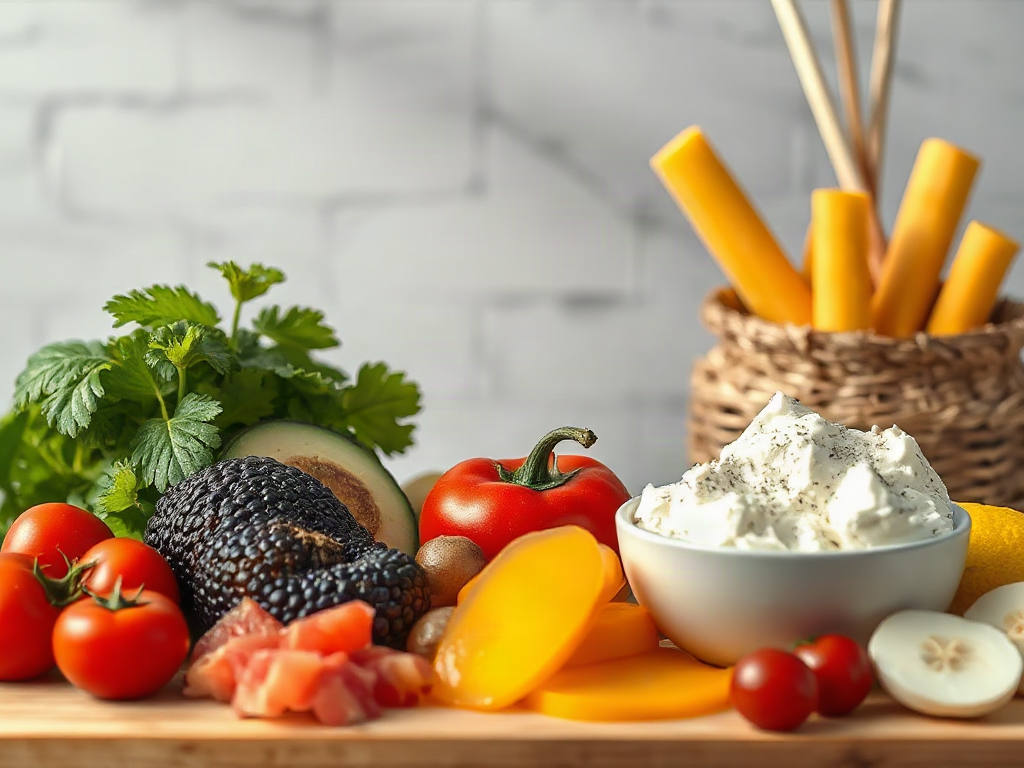
Antioxidant foods fit varied everyday meals most effectively when colorful plants are rotated across breakfast, lunch, dinner, and snacks rather than treated as occasional “superfoods.” Berries, leafy greens, beans, tomatoes, nuts, herbs, and cocoa provide different compounds, including anthocyanins, carotenoids, vitamin C, and polyphenols. Pairing some vegetables with unsaturated fat can make fat-soluble carotenoids easier to use, while gentle cooking may improve access to certain compounds in tomatoes and carrots. Frozen produce and canned beans are practical alternatives to fresh ingredients. Prioritize dietary variety and minimally processed foods, not antioxidant scores or high-dose supplements.
What Counts as an Antioxidant Food?
Antioxidant-rich eating is broader than adding blueberries to breakfast. Plants contain many compounds that participate in antioxidant defenses or influence related cellular processes, but they do not all behave identically. Vitamin C in citrus and peppers, carotenoids in carrots and tomatoes, anthocyanins in dark berries, and varied polyphenols in cocoa, tea, herbs, legumes, and nuts illustrate that range.
The useful target is therefore diversity, not the highest advertised antioxidant value. Laboratory measures of antioxidant capacity do not show exactly what a food will do in the human body. Digestion, absorption, metabolism, food preparation, and the rest of the meal all influence how compounds are used. A food with an impressive test-tube score should not automatically displace vegetables, beans, whole grains, or other foods that contribute fiber and essential nutrients.
Color offers a convenient shopping cue, although it is not a complete nutrient code. Red tomatoes provide lycopene; orange squash and carrots contain carotenoids; purple cabbage and berries supply anthocyanins; dark leafy vegetables combine carotenoids with vitamin C and other nutrients. Pale foods should not be dismissed: onions, garlic, cauliflower, mushrooms, oats, and white beans contain useful nutrients and plant compounds despite their muted appearance.
A practical plate might combine lentils, roasted red pepper, spinach, parsley, and a lemon-and-olive-oil dressing. Each ingredient brings a different nutritional role: legumes provide fiber and protein, vegetables and herbs broaden plant-compound exposure, and the dressing improves flavor while supplying fat. That is more useful than relying on one fashionable berry powder while the rest of the meal remains nutritionally narrow.
The common mistake is treating “antioxidant” as a guarantee that any product bearing the word is healthful. Sweetened drinks, candies, snack bars, and concentrated powders may advertise berries or cocoa while also containing substantial added sugar or offering little fiber. Check the full ingredient list and nutrition label. Whole and lightly processed foods should do most of the work; specialty products are optional rather than necessary.
How Can You Build Antioxidant Variety Across the Day?
Variety becomes manageable when each eating occasion has one flexible plant-food slot. Breakfast can include fruit, lunch can carry a leafy or crunchy vegetable, dinner can feature a deeply colored vegetable or legume, and a snack can supply nuts, fruit, or unsweetened cocoa. This structure creates range without requiring every plate to contain every color.
At breakfast, rotate frozen berries in oatmeal, chopped apple with walnuts, or citrus alongside whole-grain toast. Lunch might be a bean bowl with cabbage and salsa one day and leftover roasted vegetables with hummus the next. Dinner can move between tomato-based chickpea pasta, tofu with broccoli and peppers, and baked fish with sweet potato and greens. These combinations work because antioxidant-containing ingredients are attached to familiar meal formats rather than added as an afterthought.
A compact weekly check can prevent repetition:
- Include dark green produce several times through spinach, kale, broccoli, or herbs.
- Alternate red, orange, blue, and purple choices rather than buying the same fruit every week.
- Use legumes regularly in soups, salads, tacos, pasta sauces, or grain bowls.
- Keep two backup options such as frozen berries and canned tomatoes for days when fresh produce runs out.
Budget and spoilage matter more than an idealized produce list. Seasonal fruit, store-brand frozen vegetables, dried lentils, canned beans, cabbage, carrots, and tomato paste can create more usable variety than expensive fresh berries that spoil before they are eaten. A low-cost dinner of black beans, cabbage slaw, tomato salsa, and corn tortillas can offer greater plant diversity than a costly single-ingredient supplement.
Signs the approach is working are practical: produce is being used before it spoils, meals remain satisfying, and different plant foods appear naturally over the week. It is failing when shopping becomes complicated, ingredients are purchased only for one recipe, or antioxidant foods crowd out adequate protein, energy, and other essentials. Simplify by repeating meal formats while changing one or two plants—for example, use the same oatmeal base but alternate berries, pears, cherries, and nuts.
Are Fresh, Frozen, Canned, or Cooked Choices Better?
No single form is consistently best; the better choice is the one that preserves nutritional value while fitting the recipe, budget, storage space, and likelihood of being eaten. Fresh produce provides texture and immediacy, frozen options reduce waste, canned foods offer long storage, and cooking can either reduce or improve access to particular compounds.
Vitamin C is sensitive to heat and water, so prolonged boiling can lower the amount retained in some vegetables. Steaming, microwaving, roasting, or quickly sautéing may limit water exposure and produce appealing texture. Yet raw is not automatically superior. Cooking softens plant cell structures, and processed tomato products provide concentrated lycopene. Cooked carrots, squash, and greens can also be easier to eat in useful portions than their raw equivalents.
| Food Form | Useful For | What to Check |
|---|---|---|
| Fresh | Salads, snacks, crisp textures, seasonal meals | Buy quantities that can be used before spoilage |
| Frozen | Smoothies, oatmeal, soups, stir-fries | Choose plain versions when sauces or added sugar are unnecessary |
| Canned | Beans, tomatoes, pumpkin, quick pantry meals | Compare sodium, syrups, and serving sizes; drain or rinse when appropriate |
| Cooked | Tomato sauces, roasted roots, wilted greens | Avoid overcooking solely from habit; use a method suited to the food |
Frozen berries are particularly practical because they can go directly into warm oats, yogurt, or a saucepan for an unsweetened fruit topping. Canned tomatoes work well in lentil soup and pasta sauce, while rinsed canned beans shorten meal preparation substantially. Fruit packed in juice or water generally fits everyday meals more easily than fruit in heavy syrup, although the complete label should guide the comparison.
The recurring failure is rejecting convenient produce as nutritionally inferior and then eating less produce altogether. Fresh spinach that wilts unused offers no advantage over frozen spinach stirred into soup. Conversely, convenience products with salty sauces, sugary glazes, or heavy breading are not equivalent to plain frozen vegetables. Match the form to the purpose: fresh cabbage for crunch, frozen broccoli for a rapid dinner, and canned tomatoes for a cooked sauce.
Which Pairings Make Antioxidant-Rich Meals Work?
Effective pairings address absorption, flavor, and meal completeness at the same time. Fat-soluble carotenoids found in tomatoes, carrots, squash, and leafy greens are better incorporated into meals that include some dietary fat. Olive oil, tahini, avocado, nuts, seeds, eggs, or oily fish can fill that role while also making vegetables more satisfying.
A spinach and tomato salad, for example, becomes a more complete lunch when dressed with olive oil and served with chickpeas and whole-grain bread. Roasted carrots can be paired with a yogurt-tahini sauce and lentils. Tomato sauce cooked with olive oil can accompany whole-grain pasta and white beans. The goal is not to add large amounts of fat, but to avoid assuming that a dry bowl of raw vegetables is the ideal antioxidant meal.
Flavor pairings also determine whether a habit lasts. Acidic ingredients such as lemon juice or vinegar brighten greens and beans. Garlic, cumin, paprika, ginger, basil, oregano, and parsley add their own plant compounds while reducing reliance on excess salt or sugary sauces. Unsweetened cocoa works in oatmeal with banana and peanut butter, but a heavily sweetened cocoa drink should not be treated as nutritionally interchangeable.
Protein and overall adequacy still matter. A berry smoothie made only with fruit and juice may provide plant compounds but can leave some people hungry soon afterward. Adding plain yogurt, soy milk, nut butter, or another suitable protein source changes it from a sweet beverage into a more substantial breakfast. Likewise, a vegetable-heavy dinner may need beans, tofu, eggs, fish, poultry, or another protein source plus a grain or starchy vegetable.
A sensible priority order is to choose a satisfying meal base, add two contrasting plant foods, include an appropriate fat or protein, and then season for enjoyment. Avoid chasing theoretically perfect combinations at every sitting. Antioxidant foods contribute within a broader dietary pattern; they should not be presented as treatments for disease or as protection against the effects of smoking, inadequate sleep, or an otherwise poor diet. Anyone using medication or managing a medical condition should discuss major dietary changes or concentrated supplements with a qualified clinician.
Conclusion
Build antioxidant variety by rotating accessible plant foods rather than searching for one exceptional ingredient. Keep berries or other fruit for breakfast, beans and colorful vegetables for lunch or dinner, and nuts, herbs, tomato products, or unsweetened cocoa as flexible additions. Use fresh produce when texture matters, frozen options when convenience and waste are priorities, and canned staples when speed or storage is the main constraint.
Start by checking what your regular meals lack, then add one contrasting color or plant category without disrupting the meal’s protein, energy, or appeal. A pantry backup such as canned beans or tomatoes and a freezer option such as berries or broccoli make consistency easier. Judge the plan by whether the food is eaten, enjoyed, and varied over time—not by antioxidant labels, laboratory scores, or supplement-style promises.
Frequently Asked Questions
Do I need antioxidant foods at every meal?
No fixed schedule is required. Including fruits, vegetables, legumes, nuts, herbs, or whole grains at several eating occasions is a practical way to create variety across the week.
Are berries the best antioxidant food?
Berries are useful sources of anthocyanins and vitamin C, but they are not universally “best.” Tomatoes, leafy greens, beans, nuts, herbs, cocoa, and colorful vegetables provide different compounds and nutrients.
Does cooking destroy antioxidants?
Cooking can reduce heat-sensitive compounds such as vitamin C, yet it may improve access to carotenoids in foods such as tomatoes and carrots. Use both raw and cooked produce rather than treating one form as superior.
Can frozen produce be as useful as fresh produce?
Yes. Plain frozen fruits and vegetables are convenient, reduce spoilage, and work well in oats, soups, sauces, and stir-fries. Check packaged options for unnecessary sugar, salt, or rich sauces.
Should I take an antioxidant supplement instead?
Supplements do not reproduce the fiber, nutrient range, and food matrix of varied meals, and high doses may carry risks or interact with treatment. Discuss supplement use with a qualified healthcare professional.