
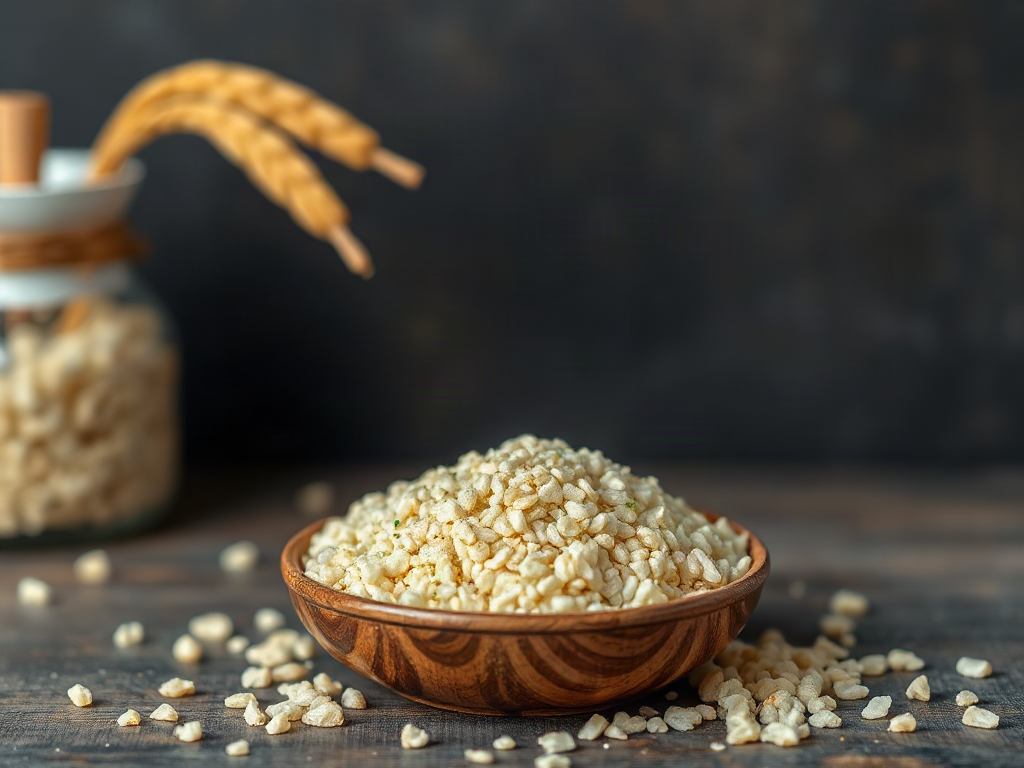
Ragi nutrition combines complex carbohydrate, fiber, calcium, iron, magnesium, phosphorus, and plant compounds, while its meal uses range from porridge and dosa to roti and baked foods. Whole-grain flour usually retains more fiber than highly refined or strained preparations, but mineral absorption may be limited by phytates and should not be judged from mineral content alone. Fermenting, sprouting, and pairing ragi with vitamin C-rich produce can improve its nutritional usefulness. For balanced meals, combine it with lentils, dairy, eggs, soy, nuts, or seeds rather than treating ragi as a complete protein or a stand-alone remedy for mineral deficiencies.
What Does Ragi Provide Nutritionally?
Ragi, also called finger millet, is a small whole grain commonly milled into a fine, reddish-brown flour. Its primary macronutrient is carbohydrate, so it functions most naturally as the grain or starch portion of a meal. It also supplies fiber, modest plant protein, minerals, and polyphenol compounds. Exact values vary with the variety, growing conditions, milling, serving size, and whether a nutrition database reports raw grain, flour, or a cooked dish.
Calcium is the mineral most strongly associated with ragi, and the grain also contains iron, magnesium, phosphorus, potassium, and smaller amounts of other micronutrients. That profile makes ragi nutritionally distinct from many familiar refined flours. It does not, however, mean that every ragi dish is automatically mineral-rich in practice. A thin drink made from a small spoonful of flour provides less grain—and therefore fewer nutrients—than a thick porridge or two substantial flatbreads.
Ragi’s protein needs similar context. The grain contributes some protein, but it should not be treated as a complete substitute for lentils, dairy products, eggs, fish, meat, or soy foods. Grain and legume combinations are more useful because their amino acid profiles complement each other. Ragi dosa served with sambar, for example, is nutritionally broader than ragi dosa served only with a sugary condiment.
Whole-grain ragi flour generally preserves the grain’s bran and germ components. Processing can change that advantage. Sieving flour, straining porridge, or using extracted starch reduces the fibrous solids and may remove some nutrients. Commercial ragi biscuits and snack mixes present a different issue: the ingredient may appear prominently on the package even when the product also contains refined flour, added sugar, saturated fat, or substantial sodium. The ingredient list and nutrition label reveal more than the word “ragi” on the front.
Ragi is naturally gluten-free, but packaged flour is not necessarily safe for everyone who must avoid gluten. Shared mills, storage equipment, and production lines can introduce wheat or barley. People with celiac disease or a medically required gluten-free diet should choose products specifically labeled or certified for that need. The useful takeaway is to assess the actual form, portion, and accompanying ingredients rather than assigning the same nutritional value to every ragi product.
How Does Ragi’s Mineral Content Translate to Actual Intake?
Mineral content and mineral absorption are related but not interchangeable. Ragi can add calcium, iron, magnesium, and phosphorus to a varied diet, yet the body does not necessarily absorb every mineral listed in a food-composition table. Phytates and certain polyphenols in whole grains can bind minerals during digestion. These compounds are not simply “bad”—they are normal parts of plant foods—but they complicate claims that one grain will correct a deficiency.
Preparation can alter this nutritional equation. Soaking and discarding the soaking water may reduce some soluble compounds, although it can also remove small amounts of nutrients. Sprouting activates enzymes within the grain and changes flavor, texture, and some antinutrient levels. Fermentation, as used in dosa or idli batter, allows microbes and naturally present enzymes to break down part of the grain matrix. These methods may improve mineral availability, but the result depends on time, temperature, recipe acidity, and the proportion of ragi in the final batter.
Meal pairing offers a practical way to improve the value of ragi without turning preparation into a technical project. Vitamin C-rich foods can promote absorption of non-heme iron from plant foods. A ragi meal can therefore include tomatoes, bell peppers, guava, citrus, amla, or a cabbage-and-lemon salad. This does not guarantee adequate iron status, particularly for someone with diagnosed anemia, but it creates a more favorable meal than pairing ragi only with tea and sugar.
Calcium deserves separate judgment. Ragi may diversify calcium intake, especially in diets that use little dairy, but its calcium should be considered alongside tofu made with calcium salts, fortified plant drinks, yogurt, milk, leafy vegetables, or other culturally appropriate sources. Anyone with increased requirements or a known deficiency needs individualized advice rather than relying on ragi porridge as treatment.
| Preparation Choice | Likely Nutritional Effect | Practical Use |
|---|---|---|
| Whole flour, not strained | Retains more of the grain solids and fiber | Use for porridge, roti, or dosa batter |
| Fermented batter | May reduce some phytate and changes texture | Combine ragi with lentils for dosa or idli |
| Sprouted ragi | Changes flavor and may improve nutrient accessibility | Cook the flour thoroughly as porridge |
| Vitamin C-rich side | Supports non-heme iron absorption | Add tomato chutney, peppers, or citrus-rich produce |
A common failure is to focus on the grain while ignoring the full meal. Frequent tea or coffee directly with an iron-focused meal may hinder non-heme iron absorption, while excessive sweetening can transform porridge into a dessert-like preparation. Prioritize the quantity of actual ragi, preparation method, complementary foods, and overall dietary pattern.
Which Cooking Methods Suit Ragi Best?
Ragi flour needs enough liquid, agitation, and cooking time to hydrate evenly and lose its raw, chalky taste. Because it contains no gluten, it behaves differently from wheat flour: it does not develop the stretchy network that traps air or makes dough easy to roll. Recipes work best when they respect that limitation rather than expecting ragi to replace wheat cup for cup.
For porridge, first mixing flour with cool water helps prevent lumps. The slurry can then be stirred into simmering water or milk and cooked until it thickens and tastes fully cooked. A failed batch usually shows dry pockets, a gritty mouthfeel, or scorching on the bottom. Lower heat and steady stirring correct those problems more reliably than adding extra sweetener. Savory porridge can include yogurt, cooked vegetables, cumin, or tempered spices; a sweeter version can use fruit, cinnamon, nuts, and only as much sweetener as needed.
Ragi roti requires a different technique because the dough lacks elasticity. Hot or warm water helps the flour bind, and the dough is often patted by hand rather than rolled thinly. Cracking edges indicate that the dough is too dry or has cooled before shaping. Adding a little more warm water, working in small portions, and cooking soon after shaping generally produces a softer result. Mixing ragi with wheat makes rolling easier, but that version is not gluten-free.
Fermented dosa batter handles ragi especially well. Lentils contribute protein and help the batter develop structure, while fermentation adds acidity and a more complex flavor. The pan must be properly heated: batter sticks when the surface is too cool, yet it may set before spreading if the pan is excessively hot. A modest amount of oil and a well-seasoned pan are usually more useful than making the batter very thin.

Baking creates the largest tradeoff. Ragi can add earthy flavor and darker color to muffins, pancakes, or crackers, but a high proportion can make cakes dense and crumbly. Eggs, yogurt, ground flax, nut butter, or a compatible starch can improve binding, depending on dietary needs. Packaged ragi cookies are not nutritionally equivalent to plain grain simply because they contain ragi; sugar, fat, flour proportions, and serving size still govern the finished product.
A sensible method is to begin with dishes naturally suited to non-gluten grains—porridge, pancakes, dosa, or hand-patted flatbreads—before attempting airy yeast breads. Signs of success are even hydration, no raw flour flavor, a texture appropriate to the dish, and a meal that remains satisfying without relying on large amounts of sugar or fat.
How to Build Balanced Meals With Ragi
Balanced ragi meals treat the grain as one component rather than the entire plate. Since ragi primarily supplies carbohydrate, its most useful partners are a meaningful protein source, vegetables or fruit, and an appropriate source of fat. This structure improves satiety and broadens the meal’s amino acids and micronutrients without requiring an elaborate recipe.
At breakfast, ragi porridge can be cooked with milk or a fortified unsweetened plant drink, then topped with nuts, seeds, and fruit. If protein needs are higher, yogurt, eggs, or a soy food can be served alongside. A porridge made with water and sugar alone may be easy to eat, but it offers a narrower nutrient profile and may not remain satisfying for long.
For lunch or dinner, ragi roti pairs well with dal, bean curry, tofu, fish, chicken, or yogurt-based dishes, plus at least one vegetable preparation. Ragi dosa can be filled with vegetables and accompanied by sambar. These combinations are more complete than adding multiple ragi products to the same meal, such as ragi roti with a sweet ragi drink. Variety across grains also matters; oats, brown rice, sorghum, barley where suitable, quinoa, and other millets contribute different textures and nutrient patterns.
Use this compact check before serving a ragi meal:
- Confirm the grain portion: Check that the dish contains a meaningful amount of ragi rather than a token amount in a sugary mix.
- Add protein: Choose lentils, beans, dairy, eggs, soy, fish, meat, nuts, or seeds according to the meal and dietary pattern.
- Include produce: Use vegetables or fruit, preferably including a vitamin C-rich option when plant iron is a priority.
- Review processing: Favor whole flour and minimally sweetened dishes more often than cookies, malted drink powders, or refined snack products.
Individual tolerance should guide quantity. A rapid increase in whole-grain fiber may cause bloating or bowel changes, especially when fluid intake is low. Begin with a moderate portion and observe comfort rather than assuming more is better. People managing blood glucose should note that ragi is still a carbohydrate-rich grain; flour is finely ground, and preparation, portion size, protein, fat, and fiber all affect the meal response. Ragi should not be assumed to lower blood sugar merely because it is a millet.
Infants, older adults, and people with swallowing or digestive difficulties may need softer textures, but thinness changes nutrient density. Diluting a small amount of flour into a large volume of water produces an easy-to-swallow food with relatively little energy and protein. Caregivers should follow age-appropriate feeding guidance and avoid using ragi as the sole staple. If fatigue, suspected anemia, food allergy, celiac disease, kidney disease, or another medical concern affects food choices, a clinician or registered dietitian can provide advice based on the person’s actual requirements.
Frequently Asked Questions
Is ragi the same as finger millet?
Yes. Ragi is a widely used name for finger millet, a small grain that is commonly cooked whole, sprouted, malted, or milled into flour.
Is ragi naturally gluten-free?
Ragi itself is gluten-free. People with celiac disease should still select flour labeled or certified gluten-free because milling and packaging can introduce cross-contact with wheat or barley.
Does ragi contain enough iron to treat anemia?
Ragi contributes plant-based iron, but it should not be used as a treatment for anemia. Iron status depends on total intake, absorption, losses, and the cause of deficiency, which may require clinical assessment.
Is sprouted ragi better than regular ragi flour?
Sprouting changes flavor and may reduce some antinutrient content, but both forms can fit a varied diet. Product ingredients, freshness, preparation, and the rest of the meal remain important.
Can ragi be eaten every day?
It can be eaten regularly if it is tolerated and combined with varied protein sources, produce, fats, and other grains. Daily use is not necessary, and relying on it exclusively reduces dietary variety.
Conclusion
Ragi is most valuable as a versatile whole grain, not as a nutritional cure-all. Choose whole flour when possible, use fermentation or sprouting when those methods fit the dish, and retain the grain solids instead of routinely straining them away. Prepare it in forms that suit its lack of gluten, such as porridge, dosa, or hand-patted roti, rather than expecting it to perform exactly like wheat.
The next practical step is to build one complete meal around ragi: add lentils, dairy, eggs, soy, fish, or another suitable protein; include vegetables or fruit; and keep sweeteners proportionate. Check packaged products for the actual ragi content and for added sugar, refined flour, sodium, and fat. Mineral deficiencies, blood-glucose concerns, and medically required gluten avoidance call for individualized decisions rather than assumptions based on the grain’s reputation.