
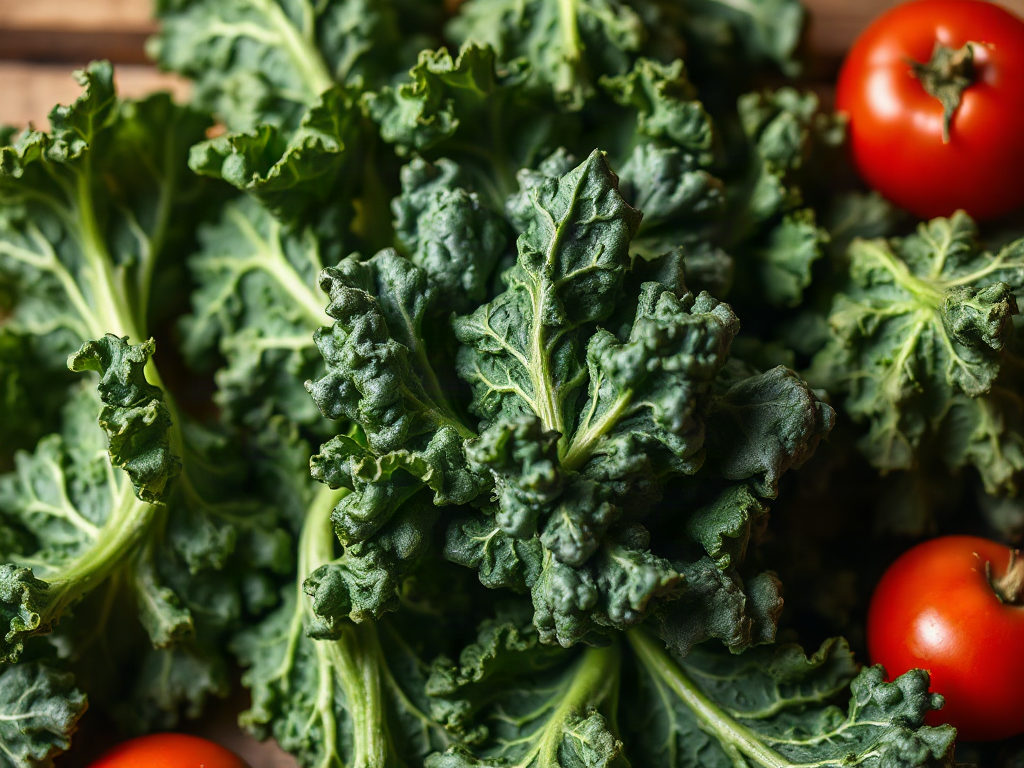
Kale nutrition, preparation, and nutrient absorption work together: the vegetable supplies fiber, vitamin C, vitamin K, folate, and carotenoids, while chopping, cooking, and meal composition influence how much the body can use. Raw kale preserves heat-sensitive vitamin C, whereas gentle steaming softens its structure and may make carotenoids easier to access. Adding a modest source of fat, such as olive oil, tahini, avocado, or eggs, supports absorption of fat-soluble carotenoids and vitamin K. Avoid prolonged boiling if nutrient retention matters, and keep vitamin K intake consistent when taking warfarin or a related anticoagulant under medical supervision.
What Nutrients Does Kale Provide?
Kale is most valuable as a nutrient-dense leafy vegetable rather than as a single-nutrient remedy. Its leaves provide vitamin C, vitamin K, folate, carotenoids that the body can convert or use as vitamin A compounds, fiber, and minerals such as manganese. Kale also contains lutein and zeaxanthin, carotenoids concentrated in eye tissue, along with naturally occurring glucosinolates found in cruciferous vegetables.
The nutritional contribution depends on serving size and preparation. A loose handful of raw leaves may add useful variety to a salad, but it is not nutritionally equivalent to a packed bowl or a cooked portion. Heating collapses the leaves by removing air and water from their structure, so a cup of cooked kale represents more plant material than a cup of loosely packed raw kale. Comparisons based only on “one cup” can therefore mislead unless the weight and preparation state are the same.
Fiber remains a practical reason to eat kale in whole-leaf form. Blending retains most fiber, although a smoothie may be consumed more quickly and feel less filling than a meal that requires chewing. Juicing removes much of the insoluble material and should not be treated as nutritionally interchangeable with eating the leaves. Kale chips retain some nutrients and fiber, but added oil and salt vary widely, and high oven temperatures can reduce heat-sensitive compounds.
No single serving needs to maximize every nutrient. A raw kale and citrus salad emphasizes vitamin C, while steamed kale served with eggs or sesame dressing creates a different nutrient profile and may improve access to fat-soluble compounds. Rotating kale with broccoli, cabbage, spinach, collards, and other vegetables also broadens the mix of fibers and plant compounds in the diet.
A common mistake is assuming that kale’s nutrient density gives it preventive or therapeutic powers on its own. It can contribute to an eating pattern associated with good health, but it does not replace medical care, correct every nutrient deficiency, or compensate for a diet with little variety. The useful question is not whether kale is a “perfect” food, but how its nutrients complement the rest of a meal.
Is Raw or Cooked Kale More Nutritious?
Neither raw nor cooked kale is universally more nutritious because heat changes different compounds in different directions. Raw leaves generally retain more vitamin C, which is sensitive to heat and can move into cooking water. Cooking softens cell walls, reduces volume, and may make carotenoids more accessible during digestion. The better choice depends on the nutrient being prioritized, digestive comfort, and whether the person will actually eat a meaningful portion.
| Preparation | Useful Features | Main Tradeoff | Best Use |
|---|---|---|---|
| Raw | Retains heat-sensitive vitamin C and crisp texture | Tough leaves may be less appealing or harder to digest | Salads, slaws, and small smoothie portions |
| Steamed | Softens leaves with limited contact with water | Some heat-sensitive nutrients decline | Side dishes and grain bowls |
| Sautéed | Combines kale with fat and strong flavors | High heat or long cooking can reduce delicate nutrients | Eggs, beans, pasta, and skillet meals |
| Boiled | Produces very soft leaves and may suit some recipes | Water-soluble nutrients can enter discarded liquid | Soups and stews where the liquid is eaten |
For a raw salad, removing thick stems and massaging sliced leaves with dressing makes a noticeable difference. Salt and acidic ingredients such as lemon juice soften the leaf surface, while oil coats the greens and carries flavor. Massaging changes texture more than total nutrient content; it should not be presented as a special process that “activates” kale.
Gentle steaming is a sensible middle ground when raw kale feels coarse but prolonged cooking is unnecessary. Cook it until the leaves become tender and bright rather than dull and waterlogged. Sautéing is similarly practical if the pan contains enough moisture to prevent scorching. When kale goes into soup, nutrients released into the broth are not necessarily lost because the cooking liquid is consumed.
Preparation is failing when the chosen method makes the vegetable unpleasant enough to be left uneaten. A technically nutrient-preserving bowl of tough raw leaves offers little practical value if a person prefers tender greens. Alternating raw and cooked preparations is more useful than declaring one format superior, and it reduces the pressure to optimize every meal around one nutrient.
How Should Kale Be Prepared for Nutrient Absorption?
Nutrient absorption improves when kale is prepared as part of a balanced meal rather than eaten in isolation. Carotenoids and vitamin K are fat-soluble, so pairing the leaves with some dietary fat can support their uptake. Suitable additions include olive oil, avocado, tahini, nuts, seeds, cheese, eggs, or oily fish. A large quantity of added fat is unnecessary; the goal is a meal containing a modest fat source, not a heavily dressed vegetable.
Mechanical preparation also matters. Washing, chopping, chewing, and blending break plant tissue into smaller pieces, increasing the surface area available to digestive enzymes. Chopping kale shortly before use is practical, but there is no need for elaborate timing rituals. A blender can make the leaves easier to consume, yet a smoothie should still be balanced with ingredients such as plain yogurt, nut butter, oats, or fruit rather than becoming a concentrated drink made from several large handfuls of greens.
Use this compact preparation sequence for salads, bowls, and side dishes:
- Wash the leaves thoroughly: Separate overlapping surfaces and rinse away visible soil, then dry them to prevent a watery dressing.
- Remove tough stems when needed: Mature curly kale often benefits from destemming; tender baby kale usually does not.
- Choose a texture treatment: Thinly slice and massage raw leaves, or steam or sauté them briefly for a softer result.
- Add a compatible fat source: Use olive-oil dressing, tahini, avocado, seeds, eggs, or another meal-appropriate option.
- Balance the plate: Pair kale with protein and a satisfying carbohydrate, such as lentils and brown rice or salmon and potatoes.
A useful real-world example is a lunch bowl containing steamed kale, chickpeas, roasted sweet potato, and tahini sauce. The kale contributes leafy-green nutrients, the tahini supplies fat, chickpeas add protein and fiber, and the sweet potato adds energy and more carotenoids. By contrast, plain raw kale eaten reluctantly as a snack may be less satisfying and less likely to become a regular habit.

More processing is not automatically better. Long boiling, repeated reheating, or charring can sacrifice flavor and heat-sensitive nutrients without creating a meaningful absorption advantage. Signs that preparation is working are straightforward: the kale is enjoyable, comfortably tolerated, paired with a varied meal, and eaten regularly. If it remains leathery, bitter, scorched, or causes discomfort in a large raw portion, reduce the amount, remove the stems, or switch to a gentler cooked preparation.
When Does Kale Require Extra Care?
Kale fits most diets, but medication use, digestive tolerance, and certain medical conditions can change how it should be handled. Its vitamin K content is particularly relevant to people taking warfarin or another anticoagulant whose effect is influenced by vitamin K intake. The usual concern is a sudden change in consumption rather than the mere presence of kale. A clinician or anticoagulation service can advise on maintaining a consistent pattern; stopping leafy vegetables without professional guidance may create a different nutritional problem.
Large raw servings can also cause bloating or gas because kale supplies fiber and fermentable plant material. Someone moving from few vegetables to daily green smoothies may notice more discomfort than a person increasing portions gradually. Cooking the leaves, starting with a smaller serving, chewing thoroughly, and spreading high-fiber foods across the day may improve tolerance. Persistent pain, vomiting, unexplained bowel changes, or other significant symptoms warrant medical assessment rather than continued dietary experimentation.
Kale contains glucosinolates, which can yield compounds that interact with iodine use in the body under some conditions. Normal food portions are not generally a reason for most people to avoid cruciferous vegetables, and cooking reduces some of this activity. People with thyroid disease, low iodine intake, or instructions from an endocrinology professional should discuss unusually high raw-kale consumption instead of assuming that either complete avoidance or unlimited intake is appropriate.
Kidney concerns require individualized advice. Kale contains oxalate, potassium, and other compounds that may matter differently depending on kidney function, stone history, laboratory results, medications, and the prescribed diet. Internet lists that label a food simply “good” or “bad” for kidneys ignore those distinctions. A renal dietitian can assess the portion and preparation in the context of the complete diet.
Food handling is a more immediate concern for everyone. Buy leaves that are crisp rather than slimy, refrigerate them promptly, wash them before eating, and keep raw greens away from surfaces used for uncooked meat. Discard kale with extensive slime, decay, or an off odor. Washing reduces soil and surface contamination but does not sterilize produce, so people at elevated risk from foodborne illness should follow any produce advice given by their healthcare team.
Frequently Asked Questions
Does cooking kale destroy all of its nutrients?
No. Cooking may reduce vitamin C and other heat-sensitive compounds, but fiber, minerals, and substantial amounts of other nutrients remain. Gentle steaming or brief sautéing limits unnecessary heat exposure.
Should kale be eaten with fat?
Including a modest fat source may support absorption of kale’s carotenoids and vitamin K. Olive oil, tahini, avocado, nuts, seeds, eggs, or cheese can serve this purpose.
Is kale better than spinach?
Neither is categorically better. Their nutrient and plant-compound profiles differ, so alternating them usually provides more dietary variety than relying exclusively on either green.
Can kale stems be eaten?
Yes. Stems are edible but fibrous, especially on mature leaves. Slice them thinly and cook them longer than the leafy portions, or add them to soups and stir-fries.
How can kale taste less bitter?
Remove thick stems, use tender leaves, and balance bitterness with acid, salt, fat, or mild sweetness. Lemon dressing, tahini, roasted vegetables, or brief sautéing are practical options.
Conclusion
Kale works best as a versatile whole vegetable, not as a concentrated cure-all. Preserve raw leaves for crisp salads when vitamin C and texture are priorities, and use steaming or brief sautéing when tenderness, portion size, or carotenoid access matters more. Include a modest source of dietary fat, avoid routinely discarding nutrient-rich cooking liquid, and choose portions that feel comfortable rather than forcing very large raw servings.
The next practical step is to select one preparation that fits an existing meal: massage thinly sliced kale for a bean salad, steam it for a grain bowl, or sauté it beside eggs. Anyone using warfarin, following a kidney diet, managing thyroid disease, or experiencing persistent digestive symptoms should seek individualized guidance before making a major change in kale intake.