
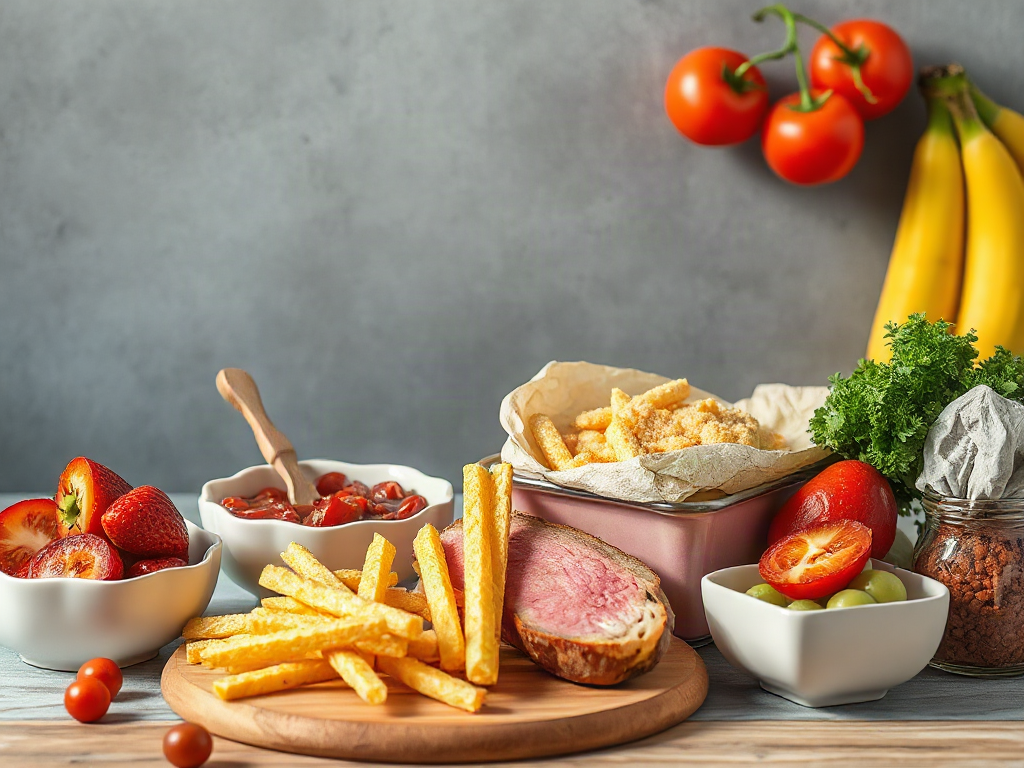
Gut healthy foods for microbiome variety work best when a weekly plan combines diverse plant fibers, resistant starch, fermented foods, and polyphenol-rich produce rather than relying on one supposed superfood. Rotate legumes, whole grains, vegetables, fruits, nuts, seeds, and optional live-culture foods across seven days so gut microbes receive different fermentable substrates. Increase unfamiliar high-fiber choices gradually, drink enough fluid, and adjust portions if bloating or stool changes become persistent. Variety is a practical dietary goal, not a guaranteed treatment, and anyone with significant digestive symptoms, food intolerances, or a prescribed therapeutic diet should seek individualized clinical advice.
What Foods Build Microbiome Variety?
A useful microbiome-focused pantry contains several categories of minimally processed plant foods, not a single ingredient taken in unusually large amounts. Different carbohydrates and plant compounds reach the colon in different proportions, where resident microbes may ferment them into metabolites such as short-chain fatty acids. The response varies among individuals, but dietary breadth gives the microbial community a wider range of substrates than a repetitive menu does.
Legumes provide fermentable fiber and resistant starch. Lentils, chickpeas, black beans, split peas, and soy foods are distinct choices rather than interchangeable labels on a checklist. Whole grains contribute different fiber structures: oats contain beta-glucan, while barley, rye, brown rice, quinoa, and intact wheat add their own combinations of starch and plant compounds. People who avoid gluten can still rotate oats labeled gluten-free when needed, buckwheat, millet, quinoa, brown rice, and corn.
Vegetables and fruits broaden the mix further. Onions, garlic, leeks, asparagus, and slightly green bananas contain fermentable carbohydrates that some people tolerate well and others find uncomfortable. Berries, apples, citrus, leafy greens, herbs, red cabbage, and cocoa offer varied polyphenols, compounds that interact with microbes as they move through digestion. Nuts and seeds add fiber alongside fats and minerals; walnuts, almonds, pistachios, chia, flax, pumpkin seeds, and sesame make rotation practical without requiring large servings.
Fermented foods occupy a different role. Yogurt or kefir labeled with live cultures, refrigerated sauerkraut, kimchi, miso, and tempeh may introduce microbial cultures or fermentation products, but they do not replace plant diversity. Heat treatment can reduce live organisms in some products, and pickled vegetables made only with vinegar are not necessarily fermented. Sodium, added sugar, dairy tolerance, and food-safety needs also affect the appropriate choice.
A common mistake is buying an unfamiliar fiber powder while meals remain narrow. A more useful first step is to compare the foods eaten over the past week and identify missing categories. Someone eating oats, apples, broccoli, and almonds daily could add lentils, barley, berries, mushrooms, pumpkin seeds, and a tolerated fermented food instead of simply enlarging the same breakfast. The practical priority is repeatable breadth across ordinary meals.
Why Does Plant Diversity Matter?
Plant diversity matters because the microbiome is an ecosystem with organisms that use different substrates. Some microbes break down compounds that others cannot, and their metabolic products may then feed neighboring organisms. A varied diet can therefore support more pathways than repeated exposure to one purified fiber, although no food pattern can guarantee a particular microbial profile or health result.
Fiber quantity and fiber variety are related but not identical. A bowl of bran cereal may contain substantial fiber, yet a meal of oats, raspberries, chia, and walnuts supplies several fiber structures plus polyphenols and fats. Conversely, chasing a high plant count through tiny garnishes does not compensate for an otherwise low-fiber diet. Meaningful portions, regular intake, and tolerance matter more than turning diversity into a competitive score.
Food form changes what reaches the colon. Beans and intact grains generally retain more structure than highly refined flour products. Cooked starches such as potatoes, rice, or pasta can develop more resistant starch after cooling; reheating is possible, provided the food was cooled promptly, stored safely, and reheated appropriately. This does not transform these foods into treatments, but it illustrates how preparation can alter the substrate available for fermentation.
Whole foods also bring nutrients and textures that isolated supplements lack. An apple includes pectin, water, and polyphenols, whereas a purified fiber product supplies a narrower ingredient. Supplements can be useful in specific circumstances, especially when recommended for a defined need, but more is not automatically better. Rapidly adding concentrated inulin, for example, may produce gas or discomfort in a person who tolerates smaller portions in food.
The strongest practical comparison is diversity over time versus perfection at every meal. Breakfast does not need ten plants if lunch and dinner introduce different legumes, grains, vegetables, herbs, and seeds. Seasonal produce, frozen vegetables, canned beans, and store-brand whole grains can all contribute. Frozen berries and vegetables remain useful when fresh options are costly or spoil quickly, while rinsed canned legumes reduce preparation time and some sodium.
Signs that the approach is workable include meals that remain enjoyable, stable or gradually improving bowel regularity, and the ability to maintain variety without persistent discomfort. A plan is failing when food rules become restrictive, fiber rises faster than tolerance, or expensive specialty products displace affordable staples. The aim is a sustainable pattern that nourishes the person as well as the microbes.
How to Build a Seven-Day Food Rotation
A seven-day rotation is easiest when familiar meals act as anchors and only a few components change each day. Keep portions appropriate to appetite and nutritional needs; the examples below are combinations, not a prescribed calorie plan. Repeating some staples is expected. The rotation comes from changing the grain, legume, produce, seed, or fermented accompaniment rather than preparing an entirely new menu every day.
| Day | Meal combination | Variety focus |
|---|---|---|
| 1 | Oats with berries, chia, and plain live-culture yogurt | Beta-glucan, seeds, polyphenol-rich fruit |
| 2 | Lentil soup with barley, carrots, kale, and herbs | Legume, whole grain, leafy vegetables |
| 3 | Brown rice bowl with black beans, cabbage, corn, and avocado | Resistant starch potential and varied colors |
| 4 | Whole-grain toast with hummus, tomato, cucumber, and sesame | Chickpeas, intact seeds, fresh vegetables |
| 5 | Tempeh with buckwheat, mushrooms, broccoli, and garlic | Fermented soy and gluten-free grain |
| 6 | Potato salad with white beans, green beans, dill, and walnuts | Cooled starch, legumes, nuts, herbs |
| 7 | Quinoa bowl with roasted squash, spinach, pumpkin seeds, and kefir dressing | Pseudograin, seeds, greens, optional cultures |
Preparation makes this schedule realistic. Cook one grain and one legume in advance, or use plain frozen grains and rinsed canned beans. Wash two fruits, roast a tray of mixed vegetables, and portion nuts or seeds where they are visible. One batch of lentils can become soup, a grain-bowl topping, and a filling for a wrap, while the accompanying plants change.
Use a compact priority sequence when shopping:
- Cover the main groups: choose at least one legume, two whole grains, several differently colored vegetables and fruits, and two nuts or seeds.
- Add one manageable novelty: try barley instead of buying several unfamiliar products at once.
- Choose optional fermentation: check for live cultures where relevant and consider sodium, sugar, allergies, and tolerance.
- Plan for convenience: keep frozen produce and canned pulses available for days when cooking time disappears.
The common failure mode is changing every meal at once. That makes digestive reactions difficult to interpret and creates unnecessary food waste. Introduce one or two new foods, retain them if tolerated, and expand the rotation the following week. People managing kidney disease, diabetes, celiac disease, inflammatory bowel disease, food allergies, or another condition requiring dietary control should adapt examples with a qualified clinician or dietitian rather than treating the plan as universal.
How Should You Adjust for Digestive Tolerance?
Digestive tolerance should determine the pace of change. Fermentation of previously limited carbohydrates can increase gas, especially when beans, bran, resistant starch, and fermented foods are all added together. Mild temporary changes can occur, but severe pain, persistent diarrhea or constipation, vomiting, bleeding, fever, unexplained weight loss, or symptoms that disrupt daily life warrant medical attention rather than continued dietary experimentation.
Start with smaller amounts of the food most likely to be new. A person who rarely eats legumes might add a few spoonfuls of rinsed canned lentils to soup before moving to a full bean-based entrée. Soaking and thoroughly cooking dried beans may improve texture and tolerance, while canned lentils or chickpeas offer a convenient alternative. Increasing fluid alongside fiber is generally practical, although people with medically prescribed fluid restrictions need individualized guidance.
Bloating does not prove that a food is harmful to the microbiome, and discomfort should not be dismissed as a necessary sign of success. Some fermentable carbohydrates can aggravate symptoms in people with irritable bowel syndrome or other gastrointestinal conditions. A clinically supervised elimination and reintroduction process may be more informative than permanently banning broad food groups. Restrictive online lists often remove onions, legumes, wheat, dairy, and many fruits simultaneously, which can reduce dietary variety and make nutritional adequacy harder.
Fermented products require similar judgment. Yogurt may suit someone who tolerates dairy, while tempeh or a modest portion of refrigerated fermented vegetables may fit a dairy-free pattern. Kombucha is not required, and products can differ in sugar, acidity, caffeine, or residual alcohol. People who are pregnant, immunocompromised, or otherwise at higher risk from foodborne illness should follow professional food-safety guidance and avoid assuming that homemade fermentation is automatically safe.
Track patterns rather than reacting to one meal. Note the new food, approximate portion, preparation, bowel changes, and other relevant factors such as illness or medication changes. If symptoms repeatedly follow the same ingredient, pause it and discuss persistent concerns with a healthcare professional. If tolerance remains stable, increase variety gradually. The most useful result is not a dramatic short-term reaction but a broader menu that remains comfortable, nutritionally balanced, affordable, and easy to repeat.
Frequently Asked Questions
Do I need fermented foods for a healthy microbiome?
No. Fermented foods can add culinary variety and may provide live cultures when the product contains them, but fiber-rich plants remain central. Choose fermented options according to tolerance, sodium, sugar, allergies, and food-safety needs.
Are canned beans useful for gut-friendly meals?
Yes. Canned beans provide convenient fiber and resistant starch. Rinsing can remove some sodium and surface carbohydrates, and starting with a modest portion may be easier for people who do not regularly eat legumes.
Does eating more plant types guarantee a diverse microbiome?
No. Diet is only one influence, and individual responses vary. Plant variety is a practical way to broaden available fibers and plant compounds, but it cannot guarantee a specific test result or medical outcome.
How quickly should I increase fiber?
Increase it gradually enough to assess comfort, such as adding one new food or a small portion at a time. There is no universal schedule; usual intake, symptoms, medications, fluid needs, and medical conditions affect the appropriate pace.
Can frozen produce support microbiome variety?
Yes. Plain frozen vegetables and fruits can make varied produce more affordable and reduce spoilage. Combine them with fresh, canned, or seasonal choices rather than treating fresh produce as the only worthwhile option.
Conclusion
A microbiome-conscious eating pattern is built through repeated rotation, not a one-time purchase of a fashionable ingredient. Begin with the foods already tolerated, then widen the menu across legumes, whole grains, colorful produce, nuts, seeds, herbs, and optional live-culture products. Use frozen vegetables, canned beans, and batch-cooked grains when budget or time limits fresh preparation.
Change only a few elements at once so digestive effects remain understandable. Smaller portions, adequate fluid where medically appropriate, and careful preparation can make a higher-fiber pattern easier to sustain. Persistent or concerning symptoms deserve clinical assessment, particularly when a restrictive diet or diagnosed condition is involved. For the next week, identify three plant categories missing from the current menu and add one practical choice from each rather than attempting a complete dietary overhaul.