
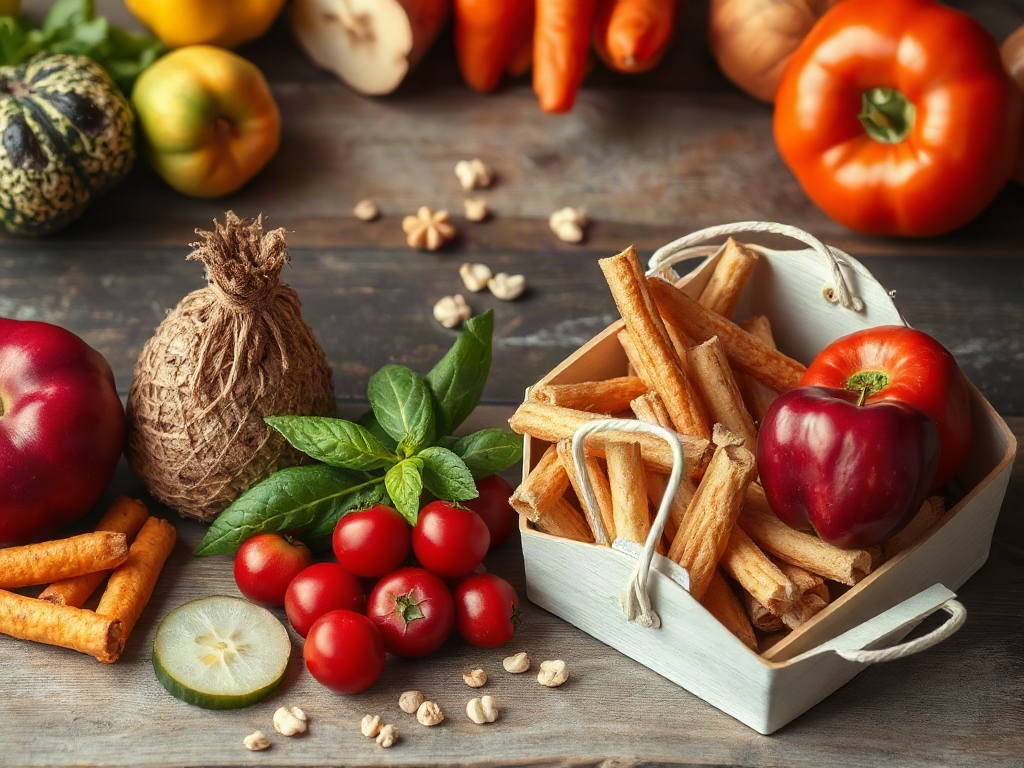
Deep nutrition principles improve food quality decisions by weighing nutrient density, processing, ingredient composition, dietary context, and practical constraints rather than relying on a single label or claim. Favor choices that deliver useful protein, fiber, vitamins, minerals, or unsaturated fats without excessive sodium, added sugar, or portions that displace more nourishing options. Compare foods within the same category, because plain yogurt and sweetened yogurt serve different nutritional roles despite sharing a name. Cost, convenience, allergies, culture, and total eating patterns still matter, so the highest-quality choice is the one that supplies needed nutrients and can be eaten consistently.
What Makes a Food High Quality?
Food quality is best judged by the nutritional job a food performs within a person’s broader eating pattern. A useful assessment considers the nutrients delivered, the components that may need limiting, the portion normally eaten, and what the food replaces. Brown rice is not “better” than lentils in every situation: rice primarily contributes carbohydrate and some minerals, while lentils add substantially more protein and fiber to a meal. The appropriate choice depends on what else is on the plate.
Nutrient density describes how much useful nutrition a food provides relative to its energy content or serving size. Vegetables, fruit, beans, eggs, fish, plain dairy foods, nuts, seeds, and minimally refined grains can supply different combinations of protein, fiber, vitamins, minerals, and unsaturated fats. Nutrient density should not be reduced to a contest over which food contains the most nutrients. Olive oil contributes unsaturated fat but little protein or fiber; spinach supplies folate and vitamin K but relatively little energy. Both can fit well because they perform different functions.
The food matrix also matters. Nutrients are packaged with water, fiber, starch, fat, protein, and naturally occurring compounds that affect texture, digestion, fullness, and how the food is used. An orange and orange juice may originate from the same fruit, yet the whole orange retains an intact fibrous structure and requires chewing. Juice is easier to consume quickly and in larger quantities. That does not make juice nutritionally empty, but it changes the appropriate portion and use.
A common mistake is grading a food by one celebrated or criticized nutrient. A cereal may contain added iron and still supply little fiber while carrying substantial added sugar. Nuts are energy-dense, yet their protein, minerals, and unsaturated fats make a modest portion different from an equally caloric confection. Likewise, a low-fat label does not establish that a product is nourishing if fat was replaced with refined starch or sweeteners.
Use category-specific comparisons. Compare breads with breads, yogurts with yogurts, and canned soups with canned soups before making broader judgments. Within each category, look for a favorable combination of useful nutrients and manageable amounts of sodium, added sugar, or saturated fat. Then ask whether the choice fills a genuine gap in the meal. That sequence produces a more meaningful decision than assigning universal rankings to unrelated foods.
How Does Processing Change Food Quality?
Processing changes food quality according to what is removed, added, preserved, or made easier to consume. Washing frozen berries, pasteurizing milk, fermenting cabbage, canning beans, and refining grain are all forms of processing, but they do not have the same nutritional consequences. The word “processed” is therefore too broad to function as a verdict.
Some processing improves safety, shelf life, convenience, or year-round access. Frozen vegetables can make regular vegetable intake practical when fresh produce spoils quickly. Canned salmon provides protein and may supply calcium when the soft bones are included. Canned beans are ready to add to salads, soups, or grain bowls; rinsing can reduce some of the surface sodium. These foods may be especially valuable for people with limited cooking time, seasonal access, storage space, or physical capacity.
Other processing can remove fiber-rich grain layers, concentrate rapidly consumed carbohydrate, or add large amounts of sodium, sugar, and refined fat. Consider oats in three forms. Steel-cut, rolled, and plain instant oats differ in texture and cooking speed, but each can remain a recognizable whole-grain option. A sweetened instant oat cup with candy-like additions is a different product because its added ingredients change the balance. The practical distinction is not simply “instant versus traditional”; it is the complete ingredient and nutrient profile.
Processing can also make a nutritious food more usable. Plain yogurt blended with frozen fruit remains a different proposition from a dessert-style yogurt containing substantial sweetener and small amounts of fruit flavoring. Natural peanut butter and a peanut spread with added sugar and oils may both fit some diets, but the former generally keeps peanuts as the dominant ingredient. These comparisons reveal whether processing serves preservation and preparation or substantially redesigns the food.
The opposite mistake is assuming homemade automatically means nutritionally preferable. A homemade muffin can contain refined flour, sugar, and butter in amounts similar to a packaged version. A packaged whole-grain bread may provide more fiber and be easier to use consistently. Evaluate the finished food rather than treating its place of preparation as evidence.
Check what processing accomplishes, what it changes, and whether those changes matter in the expected portion. Choose convenience processing freely when it removes a practical barrier without undermining the food’s main value. Be more selective when a product becomes easy to overconsume, loses a defining nutrient such as fiber, or gains ingredients that dominate its nutritional role.
How Should Nutrition Labels Be Read in Context?
A label becomes useful when the serving size, nutrient panel, and ingredient list are interpreted together. Starting with a front-of-package claim invites selective attention: “made with whole grains,” “high protein,” or “no added sugar” may be accurate while leaving unanswered questions about the product as a whole. Begin instead with the amount you are likely to eat.
Serving size is a reference for interpreting the listed nutrients, not necessarily a recommended portion. If a package lists values for half the amount normally eaten, the relevant sodium, energy, and added sugar are correspondingly higher. The reverse can occur with foods such as nuts or cheese, where a modest serving may be appropriate even though the package contains several servings. Portion awareness is especially useful for concentrated foods; it should not become a reason to fear normal meals.
Next, identify the food’s intended contribution. For bread or cereal, whole-grain ingredients and fiber are informative. For yogurt, protein, calcium, and added sugar deserve attention. For canned soup, sodium may be a decisive comparison point. For a plant-based drink used in place of milk, protein and fortification with calcium and vitamin D may matter more than whether the package uses natural-sounding language. The same checklist should not be applied mechanically to every aisle.
The ingredient list clarifies what the product is made from, with ingredients generally presented in descending order by weight. A long list is not automatically poor quality: a soup containing beans, vegetables, herbs, and spices may have many ingredients. A short list is not automatically favorable either; sugar, refined flour, and butter can produce a very short list. Focus on the identity and function of the ingredients rather than counting them.
Claims need equally careful interpretation. “Organic” addresses production standards rather than guaranteeing a favorable nutrient profile. “Gluten-free” is essential for people who must avoid gluten, but it does not mean a cracker contains more fiber or less added sugar. “Plant-based” can describe lentils or a highly formulated snack. None of these labels substitutes for examining the actual product.
A practical sign that label reading is working is that comparisons become faster: two or three category-relevant features usually distinguish the options. It is failing when shopping turns into a search for flawless numbers or when a minor difference overshadows price, taste, and realistic use. Choose the product with the better overall fit, not the one that wins every isolated metric.
A Practical Food Quality Decision Checklist
A reliable food decision follows a sequence: identify the food’s purpose, assess its meaningful nutrients, check major tradeoffs, and test whether it fits real life. This prevents a premium ingredient, health claim, or single number from controlling the purchase. The method works for a single product and for the composition of a meal.
- Name the role. Decide whether the food is meant to provide protein, produce, a carbohydrate staple, a cooking fat, a snack, or enjoyment.
- Find the nutritional contribution. Look for the protein, fiber, vitamins, minerals, or unsaturated fats expected from that category.
- Check the meaningful limits. Review added sugar, sodium, saturated fat, or energy density when they are relevant to that food and your needs.
- Examine form and portion. Consider whether the food is intact, liquid, concentrated, highly palatable, or normally eaten in more than the labeled serving.
- Apply the reality test. Account for budget, access, preparation time, allergies, cultural preferences, storage, and whether the food will actually be eaten.
Suppose lunch consists of white rice and roasted vegetables. The meal includes carbohydrate and produce but may be light on protein and fiber, depending on portions and vegetables used. Adding chickpeas, tofu, eggs, fish, or chicken improves the meal more meaningfully than replacing one vegetable with a fashionable “superfood.” If brown rice is affordable and accepted, it may add fiber; if it is not, keeping white rice and adding beans is a practical alternative.
Budget changes the comparison but does not invalidate nutritional quality. Dried lentils are inexpensive but require planning and cooking. Canned lentils cost more per serving but save time. Frozen spinach may be easier to store than fresh leaves and can work well in soup, pasta sauce, or eggs. A premium fresh option that repeatedly spoils provides less practical value than a lower-cost preserved option that becomes part of meals.
Personal needs can also alter priorities. Someone with a medically directed sodium restriction may rank lower-sodium choices more heavily. A person with an allergy must treat ingredient safety as non-negotiable. Athletes, older adults, pregnant people, and individuals managing health conditions may have distinct nutrient or energy requirements that call for advice from a registered dietitian or other qualified clinician. General food-quality principles should not be treated as medical nutrition therapy.
Watch for two signs of failure: buying products mainly for claims that do not address an actual dietary need, and rejecting useful staples because they are not nutritionally perfect. A workable pattern can include whole and minimally processed staples alongside sauces, breads, canned foods, and occasional sweets. Reassess the pattern over several days rather than demanding that every item provide complete nutrition on its own.
Frequently Asked Questions
Is the least processed food always the best choice?
No. Freezing, canning, fermenting, cooking, and pasteurizing can improve safety, shelf life, or convenience while retaining useful nutrients. Judge what the process changes rather than relying on the label “processed.”.
Does organic food have higher nutritional quality?
Organic labeling concerns production methods and does not by itself establish greater nutrient density. Compare the type of food, ingredient composition, nutrient profile, price, and intended use separately.
Should calories determine whether a food is healthy?
Calories describe energy, not total food quality. Consider protein, fiber, micronutrients, fats, portion size, and dietary role alongside energy content, particularly when comparing foods from the same category.
How can I compare two packaged foods quickly?
Confirm comparable serving sizes, identify the two or three nutrients most relevant to that category, and scan the first ingredients. Then include price, taste, and how much you will realistically eat.
Can a nutritious diet include sweets or refined foods?
Yes. Individual foods need not supply every nutrient. Frequency, portion, and what they displace matter more than demanding perfection from each choice, unless a medical condition requires specific limits.
Conclusion
Sound food choices come from judging function before reputation. Identify what a food contributes, compare it with realistic alternatives, and notice whether processing preserves convenience or substantially changes the nutritional balance. Labels are most helpful when serving size, category-relevant nutrients, and ingredients are considered together.
Apply the checklist to the foods you buy repeatedly rather than auditing every occasional item. Improve meals by filling clear gaps—such as adding beans to a grain-and-vegetable bowl or choosing a lower-sugar yogurt—not by chasing an idealized product. Cost, storage, cooking capacity, culture, allergies, and enjoyment belong in the decision. If health conditions create specific nutrient restrictions or requirements, use these principles as background and seek individualized guidance from a qualified nutrition professional.