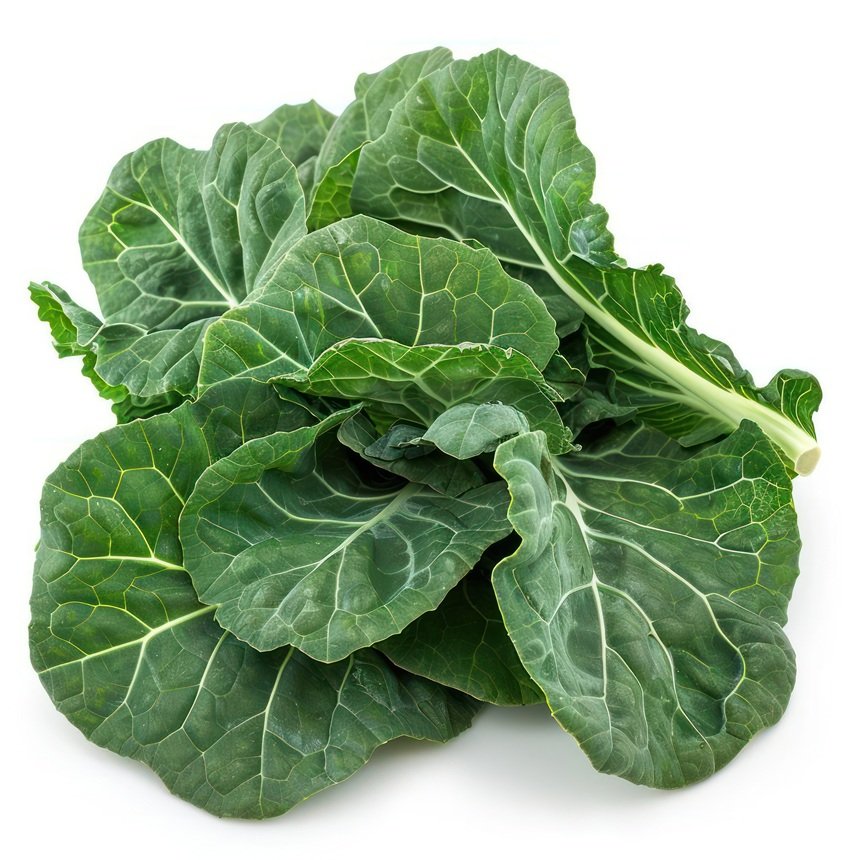
Powdered superfoods can offer similar nutritional benefits to whole foods, but their effectiveness largely depends on the specific nutrients and how they are processed. While they provide concentrated nutrients, whole foods also contain fiber and phytonutrients that are often lost during processing.
When considering the use of powdered superfoods, it’s essential to recognize the trade-offs involved. Whole foods generally maintain their natural fiber content, which aids digestion and promotes satiety. In contrast, powdered forms often lack this fiber, potentially leading to quicker spikes in blood sugar. Additionally, some vitamins and minerals may become less bioavailable when processed into powder, meaning the body may not absorb them as effectively.
A common mistake is to assume that powdered superfoods can entirely replace whole foods in a diet. While they can supplement nutritional intake, relying solely on powders may lead to imbalances and deficiencies. For optimal health, it’s advisable to use powdered superfoods as a complement to a diverse array of whole foods, ensuring a well-rounded approach to nutrition.
Nutritional Profile: Whole Foods vs. Powdered Superfoods
Whole foods are rich in essential nutrients, vitamins, and minerals, often in their most bioavailable forms. Powdered superfoods, while concentrated, may vary in their nutrient profiles depending on the processing methods used. For example, some powdered greens may lose a significant amount of vitamin C during drying, impacting their overall effectiveness.
When evaluating the nutritional profiles of both forms, consider the specific superfood in question. For instance, spirulina and chlorella are often praised for their high protein content and essential amino acids, but their powdered forms may not fully replicate the benefits of consuming them fresh. Moreover, the addition of sweeteners or fillers in some powdered products can dilute their health benefits.
It’s crucial to read labels and understand what you’re consuming. Some powdered superfoods may contain added sugars or preservatives, which can counteract their potential health benefits. Prioritizing whole foods ensures that you receive a comprehensive array of nutrients without unwanted additives.
The Role of Fiber in Nutrition
Fiber plays a pivotal role in digestive health, blood sugar regulation, and overall well-being. Whole foods, particularly fruits, vegetables, and whole grains, are excellent sources of dietary fiber. In contrast, many powdered superfoods lack this important component, which can lead to digestive issues if consumed in excess.
Integrating fiber-rich foods into your diet can help mitigate the effects of powdered superfoods. For example, if you’re using a powdered fruit blend, pairing it with high-fiber foods like oats or chia seeds can create a more balanced meal. This combination can help slow the absorption of sugars, keeping blood sugar levels stable.
Furthermore, many people overlook the importance of varying fiber sources. Different types of fiber support different aspects of health, from gut bacteria to cholesterol management. Therefore, while powdered superfoods can enhance nutritional intake, they should not serve as a primary fiber source.
Processing and Nutrient Bioavailability
The processing methods used to create powdered superfoods can significantly affect their nutrient bioavailability. For instance, heat-sensitive vitamins like vitamin C and certain B vitamins may degrade during the drying process, reducing their effectiveness. Understanding these nuances can help consumers make informed choices.
Additionally, some nutrients become more bioavailable when consumed in their whole form. For example, the antioxidants found in berries are better absorbed when the whole fruit is eaten, as the fiber and other compounds present support absorption. This highlights the importance of whole foods in providing a synergistic effect that enhances nutrient utilization.
When choosing powdered superfoods, look for products that utilize low-temperature processing methods to preserve nutrient integrity. Furthermore, consider using them in conjunction with whole foods to maximize nutrient absorption and overall health benefits.
Practical Tips for Incorporating Both
To effectively incorporate both powdered superfoods and whole foods into your diet, consider these practical tips. First, use powdered forms as a supplement rather than a replacement. For example, adding a scoop of green powder to your smoothie can enhance its nutritional profile without sacrificing the benefits of whole fruits and vegetables.
Second, experiment with different combinations to find what works best for your body. Some individuals may find that certain powders cause digestive discomfort, while others may thrive on them. Keeping a food diary can help identify how your body responds to various combinations.
In closing, prioritize high-quality powdered superfoods with minimal processing and no added sugars or fillers. Research brands, read reviews, and consult with a nutritionist if necessary. By making informed choices, you can effectively enhance your diet with both whole foods and powdered superfoods.
Further Reading
Authoritative Sources
- MedlinePlus
medlineplus.govConsumer-friendly medical and health information from the U.S. National Library of Medicine.
- National Institutes of Health
nih.govResearch-based health information and links to authoritative medical resources.
- Centers for Disease Control and Prevention
cdc.govOfficial public health guidance, prevention resources, and topic-specific recommendations.
- Mayo Clinic
mayoclinic.orgTrusted clinical guidance, symptom explainers, and treatment overviews.
- World Health Organization
who.intGlobal health guidance, fact sheets, and evidence-based public health information.
Frequently Asked Questions
Are powdered superfoods better than whole foods?
Powdered superfoods can provide concentrated nutrients but often lack fiber and other beneficial compounds found in whole foods, making them less effective as a sole nutrient source.
Can I replace all my meals with powdered superfoods?
No, replacing all meals with powdered superfoods can lead to nutrient imbalances and deficiencies. It’s best to use them as supplements to a balanced diet.
How can I incorporate powdered superfoods into my diet?
Mix powdered superfoods into smoothies, oatmeal, or yogurt, or use them as an ingredient in baking to enhance nutritional value.
Are there any risks associated with using powdered superfoods?
Some powdered superfoods may contain additives, fillers, or allergens. Always check labels and consult with a healthcare provider if you have concerns.
What are the best whole foods to pair with powdered superfoods?
Whole fruits, vegetables, nuts, seeds, and whole grains are excellent pairings that can enhance the nutritional profile of powdered superfoods.
Conclusion
All in all, while powdered superfoods can provide valuable nutrients, they should not replace whole foods in your diet. Whole foods offer fiber and phytonutrients that are crucial for optimal health. To achieve the best nutritional outcomes, integrate both forms into your meals, ensuring a balanced approach that maximizes the benefits of each. Prioritize high-quality sources and remain mindful of your body’s responses as you explore these dietary options.
Related Content
- What Are The Benefits Of Whole Food Nutrition For Health?
- What Tools Can Help Me Track My Superfood Intake?
- Are There Any Common Mistakes People Make With Superfood Nutrition?
- How Whole Food Superfoods Support Immune Health (The Natural Way)
- Superfoods for Gut Health: The Ultimate Guide to a Healthy Digestive System