
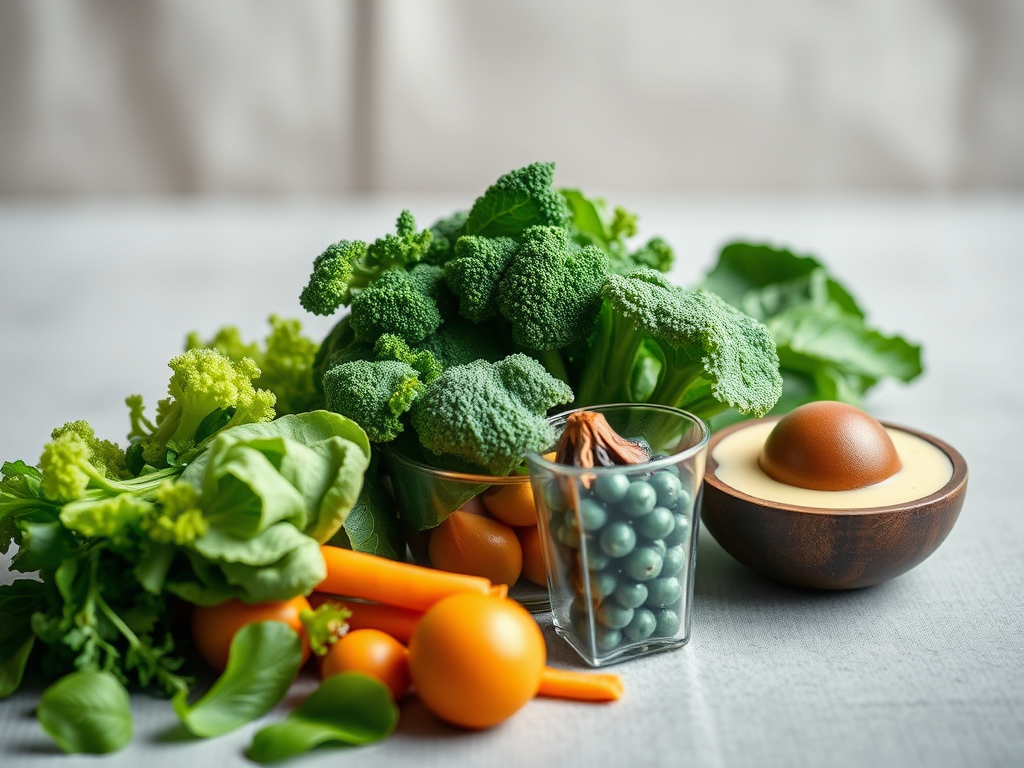
Assessing the effectiveness of superfoods for weight management involves understanding their nutrient profiles and how they contribute to satiety and metabolism. Superfoods like quinoa and avocados are rich in fiber and healthy fats, aiding in appetite control and promoting weight loss. However, it's essential to combine these foods with a balanced diet and regular physical activity to achieve sustainable weight management.
Understanding Superfoods and Their Role in Weight Management
Superfoods are nutrient-rich foods considered to be especially beneficial for health and well-being. When assessing the effectiveness of superfoods for weight management, it is crucial to recognize how these foods can contribute to a balanced diet. Superfoods like berries, leafy greens, and nuts can enhance satiety, which helps control hunger and reduce overall caloric intake. This satiety is often due to their high fiber content and healthy fats, which can slow digestion and stabilize blood sugar levels.
Moreover, these foods often provide essential vitamins and minerals that support metabolic functions, making them valuable for those looking to manage their weight effectively. However, while superfoods can be a valuable part of a weight management strategy, they are not a magic solution. Sustainable weight management requires a comprehensive approach, including regular physical activity and mindful eating practices.
Nutritional Components of Effective Superfoods
The effectiveness of superfoods in weight management is largely attributed to their unique nutritional profiles. Foods like kale, chia seeds, and sweet potatoes offer a rich array of nutrients that can aid in weight loss. For instance, kale is packed with vitamins A, C, and K, along with antioxidants that can help reduce inflammation and improve metabolic health.
Chia seeds are another excellent example; they are high in fiber and omega-3 fatty acids, which promote feelings of fullness and can help regulate appetite. Sweet potatoes, on the other hand, are complex carbohydrates that provide sustained energy while being low in calories. Including a variety of these superfoods in your diet can improve nutrient intake and support weight management efforts.
It’s important to note that while these foods are beneficial, they should be incorporated into a balanced diet. Relying solely on superfoods without considering overall dietary patterns can lead to nutritional imbalances and may not yield the desired results in weight management.
Practical Strategies for Incorporating Superfoods
To effectively incorporate superfoods into your weight management plan, consider the following strategies:
- Meal Planning: Plan your meals ahead of time to include a variety of superfoods. This ensures you receive a broad spectrum of nutrients and helps prevent impulsive food choices that may derail your goals.
- Healthy Snacking: Replace processed snacks with superfood options like nuts, seeds, or fruit. These choices are often more satisfying and nutrient-dense, helping to curb hunger without excessive calorie intake.
- Experiment with Recipes: Incorporate superfoods into your favorite dishes. Adding spinach to smoothies or quinoa to salads can enhance the nutritional value of your meals without sacrificing taste.
- Stay Hydrated: Sometimes thirst is mistaken for hunger. Drinking water throughout the day can help manage appetite and support overall health.
Implementing these strategies can make it easier to include superfoods in your daily routine, ultimately supporting your weight management goals.
Common Misconceptions About Superfoods
Despite their popularity, several misconceptions surround superfoods that can mislead individuals in their weight management efforts. One common myth is that simply consuming superfoods will lead to weight loss without considering overall caloric intake. While superfoods can contribute to a healthy diet, they do not compensate for poor dietary choices or excessive calorie consumption.
Another misconception is that all superfoods are equally beneficial for everyone. Individual dietary needs can vary significantly based on factors such as age, gender, activity level, and personal health conditions. Therefore, what works for one person may not be effective for another.
Additionally, some individuals may overestimate the benefits of certain superfoods, neglecting other important food groups. A balanced diet that includes a variety of food sources is essential for optimal health and effective weight management.

Frequently Asked Questions
What are superfoods?
Superfoods are nutrient-rich foods that are considered beneficial for health and well-being, often due to their high levels of vitamins, minerals, and antioxidants.
Can superfoods help with weight loss?
Yes, superfoods can aid in weight loss by promoting satiety, regulating appetite, and providing essential nutrients, but they should be part of a balanced diet.
Are all superfoods equally effective for everyone?
No, the effectiveness of superfoods can vary based on individual dietary needs, activity levels, and health conditions.
How should I incorporate superfoods into my diet?
Incorporate superfoods by meal planning, snacking on healthy options, experimenting with recipes, and maintaining hydration to support weight management.
What are some common misconceptions about superfoods?
Common misconceptions include the belief that consuming superfoods alone guarantees weight loss and that all superfoods are suitable for everyone.
Conclusion
Assessing the effectiveness of superfoods for weight management requires a comprehensive understanding of their nutritional benefits and practical application. While superfoods can enhance your diet and support weight loss through improved satiety and nutrient intake, they should be integrated into a balanced lifestyle that includes regular exercise and mindful eating. By recognizing misconceptions and implementing practical strategies, individuals can make informed choices that contribute to their overall health and weight management goals.
Related Content
- Calorie-Dense Backpacking Foods for Lighter Packs: Fuel-to-Weight Methods That Work
- What to Consider When Switching to Whole Foods: Key Nutritional Factors and Practical Steps
- Recognizing When Superfoods Are Not Enhancing Your Diet: Common Mistakes and How to Adjust
- How to Effectively Combine Superfoods for Better Health: Foods, Methods, and Practical Strategies
- Issues With Superfoods That Claim Unrealistic Benefits: Common Misconceptions and Practical Insights