
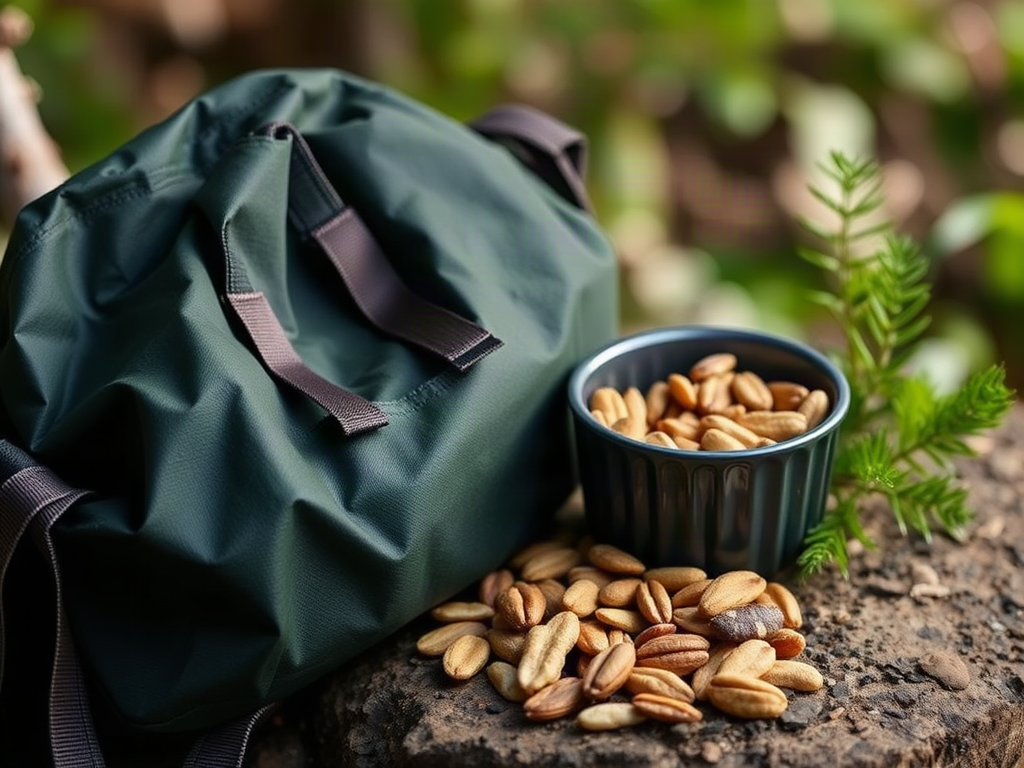
Calorie-dense backpacking foods make lighter packs possible by delivering more energy per ounce while limiting water, bulky packaging, and low-calorie ingredients. Favor fats, nut butters, nuts, seeds, olive oil, hard cheese, powdered dairy, dehydrated meals, and compact carbohydrates, then combine them so each meal remains practical to eat on the trail. Compare calories per ounce alongside protein, preparation time, water requirements, temperature stability, and personal tolerance rather than selecting food by calories alone. A successful menu provides enough daily energy without depending on foods that melt, spoil, require excessive fuel, or become unappealing after several days.
Why Calories per Ounce Determine Food Weight
Food weight falls when more of each ounce consists of usable energy and less consists of water, rigid packaging, or material that will not be eaten. Fat supplies about nine calories per gram, while carbohydrate and protein each supply about four. That difference explains why olive oil, nuts, nut butter, seeds, and fatty cheese can raise a trail menu’s energy density more efficiently than water-rich fruit, canned food, or lean protein alone.
Energy density is not the same as nutritional completeness. A bottle of oil is extremely efficient by weight, but it cannot supply enough carbohydrate for readily available trail fuel, adequate protein for recovery, or the varied texture needed to keep eating day after day. The useful approach is to treat concentrated fat as an addition to a workable meal rather than as the entire meal. A dehydrated rice-and-bean dinner, for example, becomes more calorie-dense when olive oil and cheese are added after rehydration.
Water is the major dividing line between efficient and inefficient backpacking food. Fresh grapes, cooked rice, canned tuna, and ready-to-eat soup carry considerable water from the trailhead. Raisins, dry rice or an instant grain, tuna packets, and dehydrated soup reduce that carried weight, although the last three may require water later. This trade only makes sense when reliable water is available near the planned meal stop. On a dry route, carrying both dry food and the water needed to prepare it may erase part of the weight advantage.
Packaging also belongs in the calculation. A food that appears light on a nutrition label may arrive in a heavy jar, can, or oversized pouch. Repacking suitable dry foods into durable, labeled bags can remove unnecessary weight and volume, but liquids and oily foods need containers that will not leak. Never transfer food in a way that loses allergen information, preparation directions, or identification needed by the group.
A practical comparison uses calories per packaged ounce, not merely per serving. Divide the package’s total calories by its trail-ready weight, including packaging that stays in the pack. Then examine whether the food contributes fat, carbohydrate, protein, sodium, fiber, or micronutrients that the rest of the menu lacks. The result is a more useful assessment than choosing every item by a single calorie threshold.
High-Energy Foods Worth Packing
The strongest backpacking choices combine concentrated energy with durability, acceptable flavor, and little preparation. Nuts and seeds meet those requirements particularly well. Peanuts, almonds, walnuts, cashews, sunflower seeds, and pumpkin seeds can be eaten while walking or mixed with dried fruit. Their fat content raises calorie density, while their protein, fiber, and minerals make them more useful than candy as a menu foundation. Large quantities can feel heavy in the stomach, so smaller portions spread through the day often work better.
Nut and seed butters deliver similar energy in a compact form. Individual packets are convenient but create more wrapper waste; a secure reusable container may suit a longer trip. Peanut, almond, cashew, and sunflower-seed butter work with tortillas, crackers, oatmeal, or dried fruit. Sunflower-seed butter can be useful where peanut or tree-nut allergies affect the group, provided its label is checked for cross-contact warnings.
Olive oil is among the easiest ways to increase dinner calories without increasing dry-food volume much. Add it to couscous, instant potatoes, noodles, beans, or dehydrated vegetables after cooking. Pouring a large amount into an otherwise lean dinner can cause digestive discomfort, particularly for hikers who do not usually eat high-fat meals. Test the intended quantity at home and use a leak-resistant bottle stored inside a secondary bag.
Compact carbohydrates remain necessary even though they are less calorie-dense than pure fat. Tortillas resist crushing better than many breads; dried fruit supplies carbohydrate without fresh fruit’s water weight; granola and energy bars require no stove; couscous, quick-cooking noodles, instant potatoes, and dehydrated rice dishes can provide a warm meal with modest fuel use. Chocolate and candy can add quick energy, but heat, freezing temperatures, and repeated handling affect texture and mess.
Protein choices require closer attention to shelf stability. Commercial meat or fish pouches, jerky, dry sausage intended for shelf-stable use, powdered dairy, textured vegetable protein, and dehydrated beans are common options. Hard cheeses may hold up better than soft fresh cheeses, but suitability depends on temperature, duration, packaging, and manufacturer storage guidance. Do not assume that salting, smoking, or vacuum sealing automatically makes a product safe without refrigeration.
A balanced food bag usually mixes several categories rather than relying on a single “best” item. The related planning principles in Calorie-dense backpacking foods for lighter packs are most useful when applied to actual meals: granola with powdered milk and seeds for breakfast, tortillas with nut butter for lunch, and quick-cooking grains with dehydrated protein and oil for dinner.
How to Build a Lighter Daily Menu
A lighter menu begins with the trip itinerary rather than a shopping list. Estimate how many breakfasts, trail lunches, dinners, and snack periods are needed, then account for travel time before the first camp and after the final morning. Terrain, elevation gain, weather, body size, pace, and trip duration all influence appetite. No universal daily calorie target fits every backpacker, and appetite can lag behind expenditure during the first days of a demanding trip.
Build each day around foods that will actually be eaten under those conditions. A cold breakfast saves stove fuel and departure time, while a warm breakfast may be worth the extra fuel in freezing weather. Lunch should remain accessible without unpacking the entire pack. Dinner can carry more preparation demands if camp has dependable water and enough daylight, but a meal requiring a long simmer is a poor match for limited fuel or an exposed campsite.
Use a three-part method for each main meal: select a carbohydrate base, add a meaningful protein source, and include a concentrated fat where it fits. Oatmeal can be paired with powdered whole milk, nuts, and dried fruit. A tortilla can hold nut butter and banana chips or shelf-stable meat and hard cheese. Couscous can be combined with dehydrated chickpeas, dried vegetables, seasoning, and olive oil. These combinations distribute energy and nutrients more effectively than trying to obtain most calories from snack bars.
Variety should be planned by flavor and texture, not only by product name. Six differently branded sweet bars may still cause flavor fatigue. Contrast sweet breakfasts with savory lunches, chewy dried fruit with crisp nuts, and cold snacks with a hot evening meal. On a multiday route, declining interest in the food bag is a warning that theoretical calorie totals may not become actual intake.
Portion the menu by day before departure. This exposes accidental gaps, such as a final day with plenty of dinner food but no walk-out snacks. It also shows whether one day is burdened with bulky packaging. Keep the current day’s food accessible and protect the remainder according to local wildlife-storage requirements. Odor-resistant bags are not a substitute for mandated bear canisters, food lockers, or approved hanging practices.
Test one complete trail day at home or on a short outing. Prepare meals with the same stove, pot, water quantity, and utensils intended for the trip. Check whether the portions satisfy hunger, the cooking time matches the fuel plan, and every package opens with cold or wet hands. This trial is more informative than refining a spreadsheet while ignoring how the menu functions outdoors.
Tradeoffs That Can Undermine a High-Calorie Food Plan
Maximizing calorie density without considering digestion, hydration, and appetite can produce a lighter food bag that performs poorly. A sudden increase in fat may slow stomach emptying or cause discomfort for some hikers. Large servings of nuts, rich cheese, and oil may be difficult during hard climbs or hot afternoons. Introduce unfamiliar high-fat foods before the trip and reserve richer meals for times when intensity is lower.
Fiber presents a similar balance. Beans, whole grains, dried fruit, nuts, and seeds contribute useful nutrients and may support regularity, but an abrupt, large increase can cause bloating or urgency. Highly refined snacks may be easier to eat during exertion yet leave the overall menu short on fiber and micronutrient variety. Combining moderate portions of both, while drinking enough water, is usually more practical than pursuing either extreme.

Dehydration saves carried food weight only when preparation water and stove fuel are realistic. A no-cook soak can reduce fuel use, but some foods require more time than expected and may remain unpleasantly firm. Freeze-dried meals tend to rehydrate faster but can cost more and may be bulky in their original pouches. Home-dehydrated meals offer control over ingredients and portions, though safe preparation, complete drying, sanitary handling, and appropriate storage demand care.
Sodium needs also vary with heat, sweat rate, trip intensity, and the rest of the diet. Packaged trail foods can contain substantial sodium, while an entirely homemade menu may contain less than expected. Neither “more” nor “less” is automatically correct. Review labels across the whole day, consider expected conditions, and avoid treating electrolyte products as replacements for adequate food and water. Anyone managing blood pressure, kidney disease, diabetes, food allergies, or another medical concern should obtain individualized guidance before making major dietary changes for a strenuous trip.
Food safety is a non-negotiable constraint. Perishable sandwiches, soft cheeses, cooked leftovers, and opened meat products may enter unsafe temperature conditions during a warm trip. Follow package storage instructions and choose genuinely shelf-stable products where refrigeration is unavailable. Spoilage risk is not justified by a small improvement in taste or calorie density.
Cost and waste deserve attention too. Individual packets simplify portioning but cost more and generate many small wrappers that must be packed out. Bulk ingredients reduce expense and packaging, although they take preparation time and require reliable containers. The best version of Calorie-dense backpacking foods for lighter packs is the one that fits the route, budget, storage rules, and hiker’s proven tolerance.
A Pre-Trip Food Check for Pack Weight and Usability
A final audit should evaluate the complete food system, including containers, stove fuel, preparation water, and waste. Weighing only edible contents hides the cost of glass jars, metal cans, oversized pouches, and duplicate utensils. Place the full food bag on a scale after it is packed exactly as it will be carried, then look for the heaviest items that contribute relatively little energy or practical value.
Use this compact check before leaving:
- Count every eating period: Match food to the actual itinerary, including the approach and exit.
- Compare packaged weight: Calculate calories per ounce with unavoidable containers included.
- Confirm preparation: Add up water, stove time, and fuel needs for every cooked meal.
- Check conditions: Remove foods likely to melt, freeze solid, spoil, leak, or crush.
- Test appetite and tolerance: Replace items that were difficult to finish during a trial day.
- Verify storage rules: Ensure all food, trash, and scented items fit the required wildlife-resistant system.
A successful plan leaves little unexplained leftover food while retaining an appropriate margin for delays. Too much leftover food after every trip suggests portions or preferences need revision; repeatedly finishing food early indicates the planned supply is inadequate. Record what returned, what ran out, and which meals required more fuel or water than expected. Those notes provide a personal planning baseline that a generic menu cannot supply.
Do not remove all contingency food solely to reach a target pack weight. Route remoteness, weather exposure, resupply reliability, group size, and the consequences of an extra day should shape the reserve. A short, popular overnight near an easy exit does not require the same margin as a remote route where travel could be delayed. Weight reduction is valuable only while the food system remains sufficient, safe, and usable.
Frequently Asked Questions
What backpacking foods provide the most calories for their weight?
Oils, nuts, seeds, nut butters, fatty shelf-stable cheeses, chocolate, and powdered whole-milk products are notably concentrated. Pair them with compact carbohydrates and protein rather than building the entire menu around fat.
Should every backpacking food be chosen by calories per ounce?
No. Calories per ounce is a useful weight metric, but appetite, protein, carbohydrate, micronutrients, digestion, food safety, cooking fuel, water access, and packaging also affect whether a food works.
Are dehydrated meals always lighter than ready-to-eat food?
They usually reduce carried food water, but their advantage shrinks if water must be carried to camp or if long cooking requires extra fuel. Compare the complete preparation system.
How can I add calories to a backpacking dinner?
Add a tested portion of olive oil, cheese, powdered dairy, nuts, seeds, or nut butter where the flavor fits. Increase rich ingredients gradually if you are not accustomed to high-fat meals.
How should I test a backpacking menu before a long trip?
Prepare and eat one full day using the intended stove, cookware, water quantities, portions, and packaging. Note hunger, digestive comfort, preparation time, fuel use, and foods you avoid finishing.
Conclusion
A lighter food bag comes from removing carried water and excess packaging, then using concentrated fats to strengthen—not replace—a varied trail menu. Compare complete packaged weight, and judge every meal by how much water, fuel, time, and cleanup it demands. Nuts, seeds, nut butter, oil, powdered dairy, tortillas, dried fruit, quick-cooking grains, and shelf-stable protein can cover different needs when combined thoughtfully.
Before a longer route, test a full day of food under realistic conditions and weigh the complete system. Replace items that remain uneaten, upset digestion, leak, spoil, or consume too much fuel. Finish by checking local food-storage rules and setting a contingency margin appropriate to the route. The goal is not the smallest possible ration; it is the lightest menu that remains sufficient, appealing, safe, and workable when the day is harder than expected.
Related Content
- Can Superfoods Help Reduce Sugar Cravings Naturally: Effective Foods and Strategies
- How to Adjust Superfood Intake Based on Activity Level: Optimal Foods and Timing for Performance
- What To Do If Whole Foods Lead To Nutrient Gaps: A Practical Nutrient Audit
- How Does Whole Food Nutrition Compare To Processed Foods?
- Why Some Superfoods Don’t Match Their Health Claims: Misleading Marketing and Nutritional Gaps