
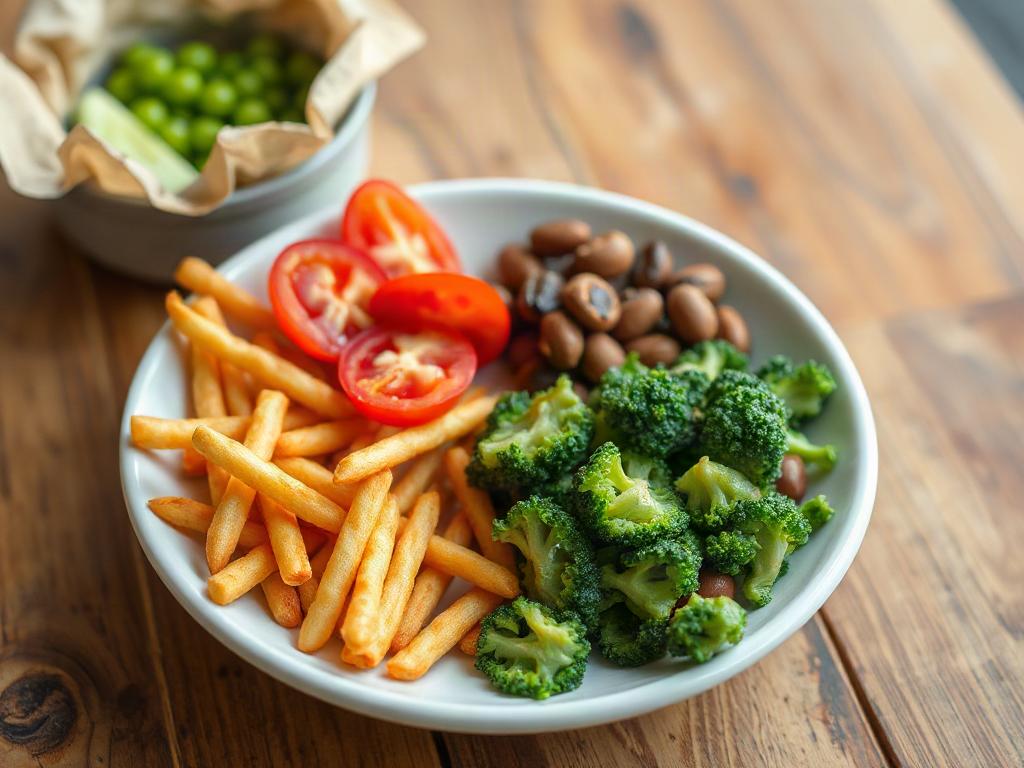
The most calorie-dense foods ranked by serving are oils, butter, nuts, seeds, nut and seed butters, cheese, avocado, dried fruit, and fatty fish, with calorie totals changing substantially by serving size and preparation. Oils and butter provide the most energy in the smallest volume, while nuts, seeds, cheese, and avocado add protein, fiber, minerals, or unsaturated fats. Dried fruit concentrates sugar because water has been removed, and fried or sweetened versions can raise calories without adding comparable nutritional value. Use measured portions, compare labels by weight when possible, and choose the food that fits your need for energy, satiety, protein, or nutrient variety.
How Calorie Density Changes by Serving
Calorie density describes how much energy a food provides relative to its weight or volume. Foods with little water, such as oils, nuts, seeds, and dried fruit, concentrate more calories into a small serving. Water-rich produce, soups, and many fresh vegetables occupy more space for fewer calories, even when their nutrient content is valuable.
Serving comparisons become misleading when the portions are not equivalent. A tablespoon of oil, a small handful of nuts, and a cup of avocado cubes are not interchangeable measurements. Nutrition labels may list a suggested serving that differs from what people commonly eat, so the practical calorie total depends on the amount actually placed on the plate. A restaurant spoonful of dressing or a generous smear of nut butter can easily exceed the label serving.
Weight provides a more consistent comparison than volume. One hundred grams of a food gives a standardized basis, while “one handful” varies with hand size, shape, and packing. Volume still matters in daily eating because people pour, spread, scoop, and snack by sight. The most useful approach is to use weight for ranking and a measured household portion for application.
High calorie density is not automatically a nutritional advantage or a problem. Someone struggling to eat enough may value a small addition of olive oil, tahini, or nut butter. Someone trying to manage hunger may prefer foods with more water, fiber, or protein per bite. The mistake is treating the ranking as a universal recommendation rather than matching the food to the intended outcome.
The Highest-Calorie Whole-Food Choices
Added fats rank at the top because nearly all of their weight is fat, which supplies more energy per gram than carbohydrate or protein. Oils such as olive, avocado, canola, and coconut oil are especially concentrated: a tablespoon can add roughly a hundred calories while contributing almost no volume or fiber. Butter and clarified butter are similarly energy-dense, though their fat profiles and culinary uses differ.
These ingredients are useful when a meal needs more energy without becoming much larger. Drizzling oil over beans, grains, roasted vegetables, or soup can raise the meal’s calorie content with little change in texture. The tradeoff is easy overshooting. Oil added during cooking may disappear visually, and a “free pour” can turn a small measured amount into several servings. Measuring for a week can reveal whether the amount matches the intended plan.
Nut and seed butters come next as compact sources of fat, with some protein, fiber, and minerals. Peanut butter, almond butter, tahini, sunflower seed butter, and cashew butter vary in flavor and nutrient composition, but all can deliver substantial energy in a few tablespoons. Choose versions with a short ingredient list when possible, and check whether sugar, syrups, or added oils change the product from a simple ground-food spread into a dessert-like mixture.
Nuts and seeds provide a different eating experience because chewing slows the meal compared with drinking oil or spreading a smooth butter. Almonds, walnuts, pecans, pistachios, pumpkin seeds, chia seeds, hemp seeds, and sesame seeds can be mixed into oats, yogurt, salads, or grain bowls. Their calorie density still makes portion awareness useful. A large bowl eaten directly from a bag is harder to judge than a pre-portioned serving alongside fruit or a meal.
For a person needing compact energy, a practical progression is to add a measured spoonful of oil or seed butter first, then evaluate whether the meal remains comfortable and satisfying. For someone prioritizing fullness, whole nuts or seeds may be preferable to oil because their structure requires chewing and supplies more accompanying nutrients.
Nuts, Seeds, Dairy, and Fruit Compared
Cheese is calorie-dense because it combines fat and protein while containing relatively little water compared with milk or many fresh foods. Hard cheeses such as cheddar, Parmesan, and Manchego generally provide more calories per bite than fresh, high-moisture cheeses, although exact values depend on the product. Cheese can make a meal more substantial, but sodium and saturated fat may matter for people who have been advised to limit either.
Avocado is less concentrated than oils or most nuts, yet it remains energy-dense among fresh fruits because much of its energy comes from fat rather than water and sugar. Its soft texture makes it easy to add to toast, tacos, grain bowls, or blended sauces. Replacing butter or mayonnaise with avocado may change the fat profile, but it does not make the meal calorie-free. A whole large avocado can represent several eating occasions for someone using smaller portions.
Dried fruit illustrates how processing changes calorie density without necessarily making a food unhealthy. Removing water from dates, raisins, figs, apricots, or prunes shrinks the volume while retaining much of the fruit’s carbohydrate. A small bowl of dried fruit can therefore contain the sugar and calories of a much larger amount of fresh fruit. It works well in trail mix, oatmeal, and packed meals, but fresh fruit may provide more volume for people managing appetite.
Fatty fish such as salmon, sardines, trout, and mackerel are not as calorie-dense as oils or nuts, but they offer protein and, depending on the species, omega-3 fats. That combination can make them more useful as a meal centerpiece than a calorie-only ingredient. Canned fish packed in oil will be denser than the same fish packed in water, and sauces can add further calories.
Weak comparisons often rank foods without considering what accompanies the calories. A tablespoon of oil supplies energy but little protein or fiber; a serving of walnuts supplies energy plus fiber, minerals, and plant compounds; Greek yogurt with nut butter offers a different balance of protein and fat. The best choice depends on whether the meal needs energy, protein, crunch, sweetness, or greater volume.
How to Use Calorie-Dense Foods Wisely
Use a calorie-dense ingredient as a deliberate component of a meal rather than an invisible extra. Start by identifying the meal’s gap: insufficient energy, too little protein, poor portability, bland texture, or low satisfaction. Then choose the smallest addition that addresses that gap. Olive oil may solve a low-energy vegetable dish, while tahini can add both richness and a nut-free spread option. A food does not need to be the highest-ranked item to be the most useful.

A simple portion check keeps concentrated foods from crowding out variety:
- For extra energy: add a measured spoonful of oil, nut butter, seeds, or avocado to an existing meal.
- For a balanced snack: combine nuts or cheese with fruit, yogurt, or whole-grain crackers rather than relying on a handful alone.
- For higher protein: favor dairy, fish, eggs, legumes, or a nut-and-seed combination instead of using oil as the main calorie increase.
- For appetite control: pair concentrated foods with vegetables, fruit, legumes, or whole grains that provide water and fiber.
Portioning is especially useful with foods that are easy to consume quickly. Nut butter eaten from the jar, oil poured into a pan without measuring, and dried fruit snacked on from a large package can all produce a larger intake than intended. Pre-portioning does not require rigid tracking; it simply makes the amount visible. A kitchen scale can help establish what a usual serving looks like, after which ordinary measuring spoons may be sufficient.
Watch for signs that the approach is working. Meals should feel appropriately filling, energy intake should match the person’s goal, and the added food should not routinely displace vegetables, legumes, whole grains, or protein-rich foods. Signs of a poor fit include persistent discomfort, unplanned weight changes, repeated grazing, or a diet built mostly from isolated fats and sweetened products. In those situations, reduce the concentrated addition or shift toward a more complete food.
The label also deserves attention. “Natural,” “organic,” or “plant-based” does not determine calorie density, and a food marketed as healthy can still be easy to overeat. Compare serving size, added sugars, sodium, protein, fiber, and the ingredient list. Readers researching Most calorie-dense foods ranked by serving should use the ranking as a starting point, then make the final choice based on the rest of the meal and their individual nutrition needs.
Common Ranking Mistakes and Better Comparisons
The most common mistake is confusing calorie density with overall food quality. A refined snack, sweetened spread, or fried product may rank highly because it contains concentrated fat and starch, but that ranking says little about fiber, protein, micronutrients, or how satisfying the food will be. Whole-food options such as nuts, seeds, avocado, cheese, fish, and dried fruit can fit more naturally into a varied diet, while still requiring sensible portions.
A second mistake is ignoring preparation. Plain potatoes are relatively water-rich, but frying them or coating them in oil changes the calorie total. Fresh fruit and dried fruit are the same broad food category, yet their serving sizes and eating speed differ sharply. Canned coconut milk, roasted nuts, nut butter, and oil-packed fish can all vary according to added ingredients and drained weight.
Use three comparisons before deciding what belongs in a meal: calories per stated serving, calories per 100 grams when available, and the nutrients delivered alongside those calories. Then ask whether the serving reflects real use. If a label lists two tablespoons but the food is normally spread in a thin, uncertain layer, measure once to calibrate your eye. If the food is eaten from a package during travel, choose a portion that can be finished without repeatedly reaching for more.
People with medical conditions that affect weight, digestion, blood lipids, blood sugar, or kidney function may need more individualized guidance. A calorie-dense food can be appropriate in one plan and poorly suited to another, especially when sodium, saturated fat, carbohydrate concentration, or food allergies are relevant. The ranking is a practical reference, not a diagnosis or a substitute for professional nutrition advice.
For a broader comparison of compact, nutrient-rich options, see Most calorie-dense foods ranked by serving and compare each candidate with the foods already present in your meals. The strongest choice is usually the one that adds the needed energy while preserving balance, comfort, and variety.
Frequently Asked Questions
Which food is the most calorie-dense by volume?
Nearly pure fats such as cooking oils and butter are among the most calorie-dense choices by volume because they contain little water and almost no fiber or protein.
Are nuts better than oil for adding calories?
Neither is universally better. Nuts provide fiber, protein, and minerals along with fat, while oil adds energy with minimal volume and may suit meals that already contain adequate protein and fiber.
Is dried fruit higher in calories than fresh fruit?
By weight or typical volume, dried fruit is usually more calorie-dense because water has been removed. Fresh fruit generally provides more volume and may be easier to portion for appetite control.
How can I add calorie-dense foods without overeating?
Measure oils, nut butters, seeds, and dried fruit at first, add them to a complete meal, and avoid eating directly from large containers or bags.
Does calorie-dense mean unhealthy?
No. Calorie density describes energy concentration, not food quality. Nuts, seeds, avocado, cheese, and fish can provide useful nutrients, but their portions still matter.
Conclusion
The highest-calorie choices per serving are generally oils, butter, nuts, seeds, nut and seed butters, cheese, avocado, dried fruit, and fatty fish. Their usefulness depends on what the meal lacks: oil adds compact energy, nuts and seeds contribute fiber and minerals, dairy and fish add protein, and fruit-based options bring different carbohydrate and micronutrient profiles. Compare foods by weight when ranking them, then use measured household portions for everyday decisions. Check preparation, added ingredients, and the nutrients that accompany each calorie instead of treating the ranking as a health score. Add one concentrated food to a balanced meal, monitor comfort and appetite, and adjust the amount when it displaces variety or produces unintended intake.