
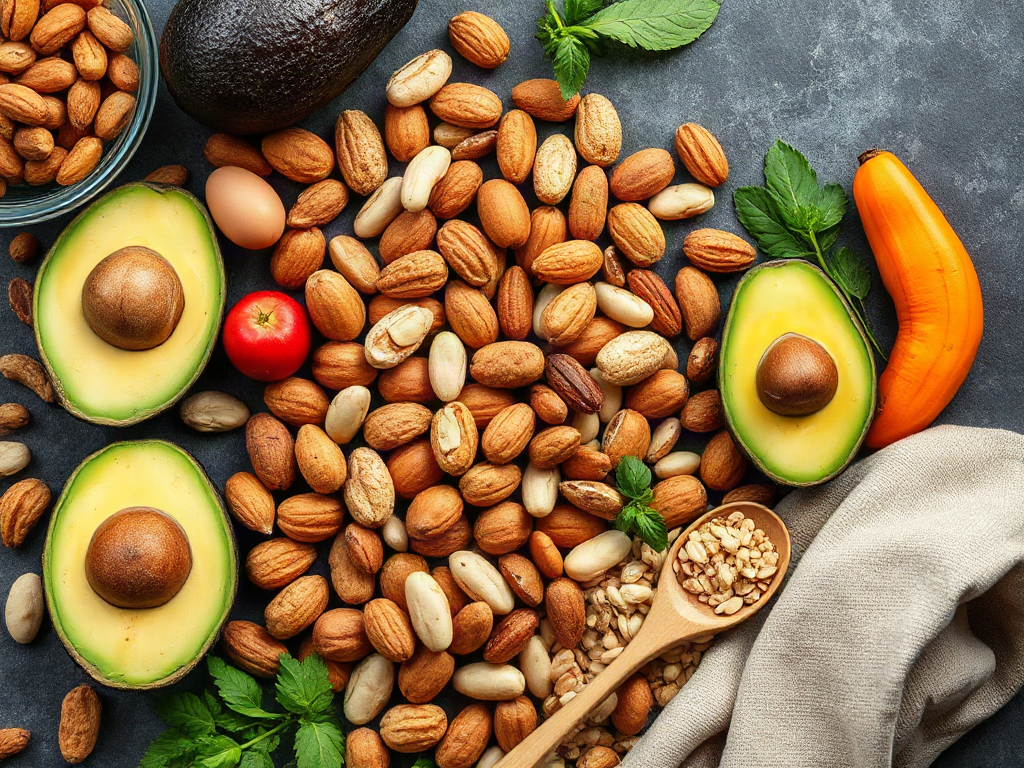
High-calorie nutrient-dense foods for weight gain include nuts, seeds, nut butters, avocado, olive oil, whole-milk dairy, eggs, oily fish, dried fruit, beans, and energy-rich whole grains. These options provide concentrated calories alongside protein, unsaturated fats, fiber, vitamins, and minerals, making them more useful than relying mainly on sweets or fried snack foods. Add calories gradually through larger portions, calorie-rich toppings, snacks, and nourishing drinks rather than forcing oversized meals. Pair protein with carbohydrate and fat at each meal, monitor weight and digestive comfort over several weeks, and seek clinical guidance when weight loss is unexplained or eating is limited by illness.
What Makes a High-Calorie Food Nutrient-Dense?
Calorie density describes how much energy a food supplies relative to its weight or volume. Nutrient density refers to the useful nutrition accompanying that energy, including protein, essential fats, fiber, vitamins, minerals, and beneficial plant compounds. A food can satisfy one definition without satisfying the other: candy is calorie-dense but contributes little protein or micronutrient variety, while leafy greens are nutrient-rich but contain too little energy to drive weight gain on their own.
The most practical choices deliver both qualities. Peanut butter, for example, combines concentrated energy with protein, unsaturated fat, magnesium, and vitamin E. Whole-milk yogurt supplies energy, protein, calcium, and vitamin B12, while oats contribute carbohydrate, fiber, iron, and several B vitamins. Combining these foods produces a smaller meal with more energy than an equally filling plate dominated by raw vegetables or broth-based soup.
Energy balance still determines whether body weight rises. Even highly nutritious meals will not cause weight gain if total intake remains below expenditure. Appetite, meal size, activity, medication effects, food access, and digestive symptoms can all make a consistent surplus difficult. The useful question is therefore not simply whether a food is healthy, but whether it increases total intake without displacing too much protein or causing uncomfortable fullness.
A common mistake is to judge every food by calories alone. Regularly adding sugary drinks, pastries, or deep-fried foods may raise intake, but it can crowd out fiber, protein, and micronutrients. The opposite mistake is building very bulky meals from vegetables and lean protein while avoiding oils, starches, and full-fat ingredients. That approach may be filling before enough energy has been eaten. A better foundation is a varied diet in which calorie-rich whole or minimally processed foods do most of the work, with enjoyable convenience foods included where appropriate.
The resource on High-calorie nutrient-dense foods for weight gain can be used as a shopping reference, but individual choices should reflect allergies, dietary preferences, budget, and tolerance.
The Most Useful Foods for Healthy Weight Gain
Fat-rich plant foods offer the easiest way to increase energy without adding excessive volume. Nuts, seeds, tahini, peanut or almond butter, avocado, olives, olive oil, and pesto fit into meals that a person already eats. Stir nut butter into oatmeal, drizzle olive oil over rice and beans, add avocado to eggs, or blend tahini into a yogurt-based sauce. Small additions can be easier to sustain than doubling an entire meal.
Protein-rich foods matter because weight gain should not be treated as an exercise in accumulating calories alone. Eggs, Greek yogurt, cottage cheese, milk, tofu, tempeh, beans, lentils, fish, poultry, and meat provide amino acids needed to maintain and build body tissue. Salmon and sardines are especially energy-efficient because they supply protein and fat together. For plant-based eating, tofu cooked in oil, lentils served with rice, and soy milk blended with nut butter provide more energy than plain legumes or vegetables alone.
Carbohydrate foods make meals larger and replenish readily available energy. Oats, rice, pasta, potatoes, whole-grain bread, quinoa, granola, and dried fruit are adaptable choices. Whole grains contribute more fiber and micronutrients than refined versions, but the highest-fiber option is not automatically best for someone with a small appetite. White rice, sourdough bread, or lower-fiber cereal may be easier to eat during periods of early fullness. They can still be paired with protein, fruit, vegetables, and fats.
Useful combinations include:
- Breakfast: oats cooked in whole milk with banana, walnuts, and peanut butter.
- Lunch: rice, black beans, avocado, cheese, salsa, and an olive-oil dressing.
- Snack: full-fat yogurt with granola, dried fruit, and pumpkin seeds.
- Dinner: salmon, potatoes dressed with olive oil, and cooked vegetables.
Food processing requires some nuance. Nut butter, yogurt, canned fish, tofu, bread, and fortified cereal are processed, yet they may provide valuable nutrition and convenience. The more relevant distinction is between foods that contribute meaningful nutrients and products that supply mostly refined starch, sugar, or fat. Cost matters as well: peanut butter, eggs, oats, dried beans, milk, canned sardines, rice, and sunflower seeds often provide more economical calories than specialty powders or premium snack bars.
How to Increase Calories Without Overwhelming Your Appetite
Frequent eating usually works better than forcing very large portions when appetite is limited. Three moderate meals plus two or three planned snacks distribute intake across the day and create more opportunities to eat. Waiting until intense hunger appears can fail because people with low appetite may never receive a strong hunger signal. A regular schedule is more dependable.
Fortification raises the energy content of familiar dishes while changing their volume very little. Cook cereal with milk instead of water, enrich mashed potatoes with olive oil and cheese, spread hummus or avocado on sandwiches, add powdered milk to soups or oatmeal, and top yogurt with granola rather than fresh fruit alone. These adjustments are particularly useful when a normal plate already feels difficult to finish.
Liquids can help, but timing changes their value. A smoothie made with milk or soy milk, yogurt, banana, oats, and nut butter can function as a compact snack. Large amounts of water, coffee, or diet drinks immediately before a meal may occupy stomach space without supplying energy. Drinking mainly between meals may leave more room for food. Juice and sweetened drinks add calories, but relying on them heavily provides less protein and satiety control than a balanced smoothie or milk-based drink.
A compact priority checklist keeps the process manageable:
- Add one energy-rich ingredient to each main meal.
- Schedule at least two snacks before appetite normally fades.
- Include a recognizable protein source at every meal.
- Use a nourishing drink when solid food is difficult.
- Increase fiber gradually if bloating or fullness develops.
More is not always better. Abruptly adding large portions of nuts, beans, bran, or dried fruit can cause bloating, constipation, or loose stools, especially if the previous diet was low in fiber. Increase amounts over several days and adjust fluids accordingly. People with reflux may tolerate smaller meals and fewer high-fat foods close to bedtime, while those with lactose intolerance may prefer lactose-free dairy or fortified soy alternatives.
Strength training may help direct some gained weight toward muscle when it is appropriate for the person’s health and mobility, but exercise also increases energy needs. Someone who adds demanding workouts without increasing food intake may maintain or lose weight instead. The practical goal is coordinated eating and activity, not simply exercising more.
A Practical Daily Eating Plan
A workable eating plan repeats reliable calorie opportunities rather than prescribing an exact menu that ignores appetite and routine. The following example shows how protein, carbohydrate, and fat can be distributed throughout one day. Portions should be adjusted to body size, hunger, activity, medical needs, and the rate of change observed over time.
Breakfast: Prepare oatmeal with whole milk or fortified soy milk, then add banana, raisins, cinnamon, and peanut butter. Compared with oatmeal cooked in water and topped only with berries, this version supplies more energy in a similar bowl. If mornings are difficult, divide it into a smaller bowl and a midmorning smoothie.
Midmorning snack: Choose Greek yogurt with granola and chopped walnuts, or toast with avocado and an egg. A snack containing both protein and energy-rich fat is generally more useful for weight gain than fruit alone, though fruit remains a valuable source of carbohydrate, potassium, vitamin C, and other nutrients.
Lunch: Build a grain bowl with rice or quinoa, beans or chicken, roasted vegetables, avocado, and an olive-oil-based sauce. Someone with limited appetite can use more rice and oil while keeping the raw vegetable portion moderate. Someone who tolerates larger meals can add leafy greens and extra beans.
Afternoon snack: Blend milk, yogurt, frozen fruit, oats, and nut butter. If a blender is unavailable, pair chocolate milk or fortified soy milk with a peanut butter sandwich. Portable combinations matter for people who miss snacks at work or school; shelf-stable milk, trail mix, dried fruit, crackers, and nut-butter packets can prevent a long gap in intake.
Dinner and evening: Serve pasta with meat sauce or lentil sauce, grated cheese, and vegetables cooked with olive oil. An evening snack might be cottage cheese with dried fruit, cereal with milk, or toast with tahini and honey. People with reflux or poor sleep after late meals may need to move that snack earlier.
This pattern is a template rather than a therapeutic prescription. The linked collection of High-calorie nutrient-dense foods for weight gain can help substitute foods without losing the plan’s structure. For example, dairy can become fortified soy food, salmon can become tofu plus sesame sauce, and nuts can become sunflower-seed butter where allergies permit.
How to Track Progress and Correct Common Problems
Progress is best judged by trends in intake, weight, strength, energy, and digestive comfort rather than a single scale reading. Body weight fluctuates with hydration, sodium, bowel contents, and menstrual changes. Weighing under similar conditions at consistent intervals produces a more interpretable pattern than checking repeatedly throughout the day.
If weight remains unchanged after several weeks, the first step is to audit what is actually being eaten. Planned snacks may be missed, larger breakfasts may lead to skipped lunches, or added exercise may offset the extra intake. A brief food record can reveal gaps without requiring permanent calorie tracking. Add one repeatable item—such as a daily yogurt-and-granola snack or an extra spoonful of oil divided across meals—then reassess the trend.
Signs that the approach is working include greater consistency around meals, gradual movement toward the intended weight, stable digestion, and enough energy for normal activity. Warning signs include persistent nausea, worsening reflux, diarrhea, constipation, marked fatigue, swelling, pain after eating, or an inability to increase intake. Unexplained weight loss deserves medical assessment because thyroid conditions, digestive disease, infection, medication effects, depression, dental problems, and other issues can affect appetite or nutrient use. Food advice should not be used to diagnose or treat those causes.
Rapid change should not automatically be treated as success. A sudden rise may partly reflect fluid retention, especially when accompanied by swelling or breathlessness. People with kidney disease, heart disease, diabetes, swallowing difficulties, food allergies, or a history of disordered eating need individualized guidance because common weight-gain advice may be unsuitable. A registered dietitian or qualified clinician can adapt texture, nutrient balance, meal timing, and monitoring to the underlying condition.
The central failure mode is inconsistency, not a shortage of exotic ingredients. Affordable staples eaten regularly usually outperform an elaborate plan that is difficult to shop for or prepare. Keep two convenient breakfasts, two portable snacks, and several freezer-friendly meals available. That structure turns High-calorie nutrient-dense foods for weight gain into a repeatable eating pattern rather than an occasional high-calorie meal.
Frequently Asked Questions
What food adds calories without requiring a large portion?
Nut or seed butter, olive oil, avocado, pesto, cheese, and dried fruit add substantial energy in relatively small servings. Choose according to allergies, digestion, and the meal being prepared.
Are smoothies useful for gaining weight?
Yes. A smoothie containing milk or fortified soy milk, yogurt, oats, fruit, and nut or seed butter can provide energy and protein without the volume of another full meal.
Can healthy weight gain be achieved without dairy?
Yes. Fortified soy milk, tofu, tempeh, beans, nuts, seeds, avocado, grains, and plant oils can support higher intake. Check plant-milk labels because protein and fortification vary.
Why am I not gaining weight despite eating more?
The increase may be inconsistent, activity may have risen, or larger meals may be replacing later snacks. Persistent or unexplained difficulty gaining weight should be discussed with a clinician.
Should I use a weight-gain supplement?
Food is often the more flexible starting point. A supplement may be useful when appetite, chewing, swallowing, or preparation is difficult, but product choice should reflect medical needs and professional advice.
Conclusion
Effective weight gain comes from making ordinary eating more energy-efficient and repeatable. Build meals around a protein source, a substantial carbohydrate, and a concentrated fat, then use scheduled snacks or nourishing drinks to close gaps that meals do not cover. Nuts, seeds, oils, avocado, dairy or fortified alternatives, eggs, fish, beans, grains, and dried fruit offer flexible options across budgets and dietary patterns.
Start with two or three additions that fit the existing routine, monitor the trend over several weeks, and adjust gradually if weight does not move. Digestive discomfort, missed snacks, or reduced appetite later in the day signal that the plan needs modification rather than simply larger portions. Unexplained weight loss, persistent symptoms, or medical dietary restrictions warrant assessment from a qualified clinician or registered dietitian.