
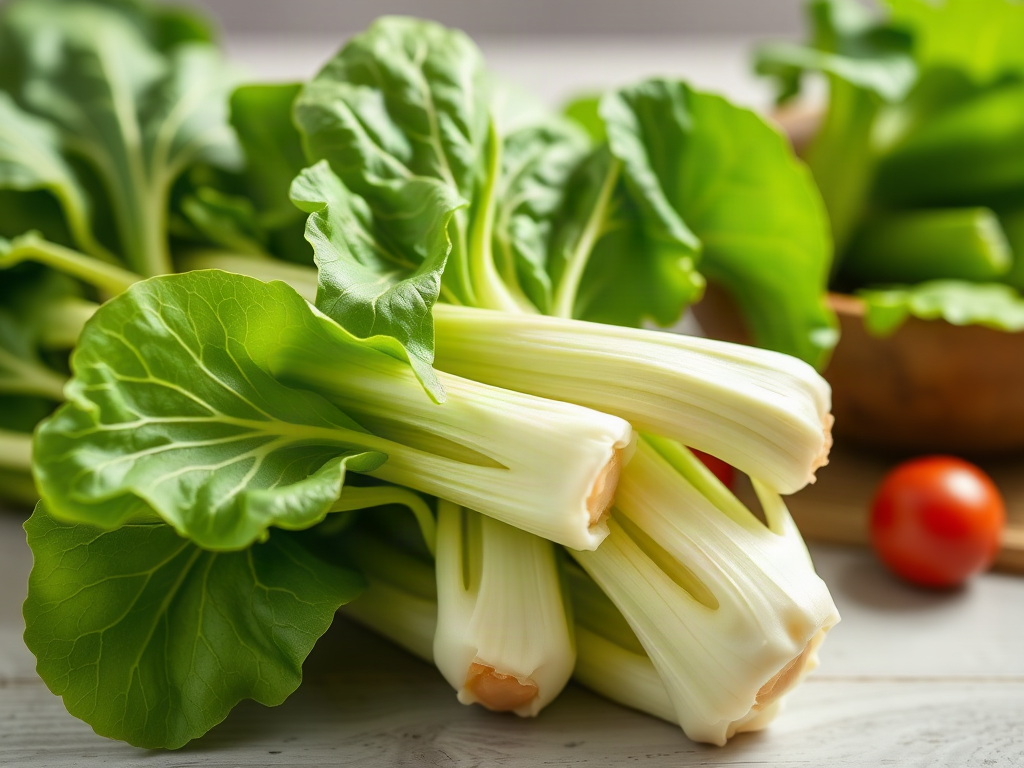
Bok choy nutrition, vitamins, and minerals make this leafy vegetable a low-calorie source of vitamin C, vitamin K, folate, calcium, and potassium, with water and fiber supporting its practical role in balanced meals. Its vitamin K content matters for normal blood clotting and bone metabolism, while vitamin C contributes to antioxidant protection and connective-tissue formation. Cooking changes texture and can reduce some heat-sensitive nutrients, so brief steaming or quick stir-frying is usually a better compromise than prolonged boiling. People taking vitamin K-sensitive anticoagulants should keep intake consistent rather than suddenly eating large amounts, and bok choy should complement—not replace—a varied diet.
What Bok Choy Contributes Nutritionally
Bok choy is a water-rich cruciferous vegetable with a mild flavor, tender leaves, and crisp stems. Its nutritional value comes less from one unusually concentrated nutrient than from the combination of vitamins, minerals, fiber, and plant compounds supplied with relatively little energy. That makes it useful in meals where a person wants more vegetable volume without relying on a heavily processed side dish.
The leaves and stalks are both edible, but their textures differ. Leaves soften quickly and can be added near the end of cooking, while the thicker stems benefit from a longer contact with heat. This distinction affects eating quality more than the vegetable’s basic identity, yet it often determines whether bok choy becomes a regular part of a meal or is left underused in the refrigerator.
A serving of bok choy can contribute vitamin C, vitamin K, folate, calcium, potassium, and smaller amounts of other micronutrients. Exact amounts vary with serving size, cultivar, maturity, storage, and preparation. Baby bok choy is not automatically more nutritious than mature bok choy; it is usually chosen for its compact shape and tender texture.
Its fiber content is useful, although bok choy should not be treated as a high-fiber food equivalent to beans, lentils, bran, or some whole grains. A bowl built around bok choy alone may look substantial but provide limited protein and energy. Pairing it with tofu, eggs, fish, poultry, beans, or whole grains creates a more complete meal than simply increasing the vegetable portion.
For example, a quick plate of bok choy, brown rice, and tofu supplies different nutritional functions: the vegetable adds micronutrients and volume, the tofu adds protein and often calcium depending on how it is made, and the rice contributes carbohydrate and additional substance. This is more practical than asking one vegetable to deliver every nutrient needed at a meal. For related planning ideas, see Bok choy nutrition, vitamins, and minerals.
Vitamins and Minerals That Matter Most
Vitamin K is one of the nutrients readers should notice first. It participates in normal blood clotting and is involved in bone-related processes. Bok choy does not need to be eliminated by someone taking warfarin or another vitamin K-sensitive medication, but sudden changes in intake can complicate medication management. Consistent portions and communication with the prescribing clinician are more useful than treating all green vegetables as forbidden.
Vitamin C adds another reason to include bok choy in a varied diet. It supports collagen formation, normal immune function, and absorption of non-heme iron from plant foods. The amount retained depends partly on storage and cooking. A raw or briefly cooked preparation may preserve more heat-sensitive vitamin C than bok choy boiled for a long time, although the difference in everyday eating may be less important than whether the person eats the vegetable regularly.
Folate is present in bok choy as well. Folate supports cell division and normal red blood cell formation, but bok choy is not a substitute for a clinically recommended folic acid supplement during pregnancy or for treatment of a diagnosed deficiency. Nutrient needs in those situations are specific, and a healthcare professional should guide supplementation.
Its minerals are useful but should be interpreted accurately. Calcium in bok choy contributes to overall intake, yet the quantity in an ordinary serving is not comparable to a calcium-rich dairy serving or a fortified alternative. Potassium supports normal fluid balance, nerve signaling, and muscle function, but people with kidney disease may need individualized potassium guidance rather than assuming every vegetable is unrestricted.
Other compounds in cruciferous vegetables, including glucosinolate-related compounds, are being studied for their biological effects. These compounds are a reason to eat a range of vegetables, not evidence that bok choy prevents or treats cancer. The common mistake is turning a nutrient-dense food into a medicinal claim. A better priority list is straightforward:
- Use bok choy as one regular vegetable option.
- Pair it with a meaningful protein source.
- Rotate it with other colorful and non-starchy vegetables.
- Adjust portions if a medical condition or medication requires specific guidance.
That approach preserves the food’s nutritional advantages without exaggerating what one ingredient can accomplish.
Raw Versus Cooked Bok Choy
Raw bok choy offers crisp texture and avoids the nutrient losses associated with heat and cooking water. Thinly sliced stems work well in salads or slaws, while young leaves can be eaten raw when they are fresh and tender. The drawback is that raw cruciferous vegetables can be less appealing to some people and may cause more gas or digestive discomfort in sensitive individuals.
Brief steaming is a useful middle ground. It softens the stems, keeps the leaves from collapsing completely, and limits direct contact with a large volume of water. Quick stir-frying can produce a similar result, especially when the stems are added before the leaves. A small amount of oil improves flavor and may make the dish more satisfying, but heavy sauces can add considerable sodium and sugar.
Prolonged boiling creates a different tradeoff. The vegetable becomes soft and easy to chew, but water-soluble nutrients may move into the cooking liquid. If bok choy is boiled in soup, that liquid can still be eaten; discarding it removes part of what migrated out. This does not make boiled bok choy useless, but it makes long boiling a less efficient choice when the goal is to preserve texture and water-soluble nutrients.
A practical method is to separate the parts: cook chopped stems for a few minutes, then add the leaves for the final minute or two. The exact time depends on size and heat, so texture is a better guide than a rigid timer. Stems should lose their raw harshness while retaining some firmness, and leaves should wilt without becoming waterlogged.
The best method is the one that gets eaten. Someone who dislikes steamed vegetables may consume more bok choy when it is browned quickly with garlic, ginger, or sesame. Someone with chewing difficulty may reasonably prefer softer cooking. Nutrient retention matters, but consistent inclusion, acceptable texture, and a balanced plate matter too.
Choosing, Preparing, and Pairing It
Fresh bok choy should have firm stems, leaves that look lively rather than slimy, and no strong sour odor. Small heads are convenient for roasting or halving, while larger heads are economical when chopped for soups, noodle dishes, or stir-fries. Storage quality affects value: a vegetable that wilts before use contributes less to the diet than one selected for a meal planned within the next few days.
Rinse bok choy thoroughly, especially around the base where soil can collect. Separate leaves and stems when the pieces are different in thickness. Cutting the vegetable just before cooking can reduce drying and makes it easier to control the timing. Organic and conventionally grown bok choy can both fit a nutritious diet; washing and regular produce-safety practices are more actionable than assuming an organic label changes the vitamin profile enough to determine the choice.

Pairing determines whether the meal is filling. Bok choy with mushrooms and tofu creates a plant-based combination, while bok choy with salmon, chicken, or an egg adds animal protein. Beans or edamame work well when a meal needs more protein and fiber. Brown rice, barley, soba, or whole-grain noodles can supply carbohydrate for a more substantial bowl.
Flavor pairings also influence sodium. Soy sauce, bouillon, and bottled stir-fry sauces can dominate an otherwise nutrient-dense dish. Use a modest amount and build flavor with garlic, ginger, citrus, vinegar, chili, toasted sesame, or unsalted nuts. This is not a demand for a salt-free meal; it is a way to avoid mistaking sauce for the main nutritional value.
Frozen bok choy is less common than frozen broccoli or spinach, but frozen mixed vegetables may contain related greens. Frozen produce can be practical when fresh vegetables spoil before use. Canned preparations are less typical and may contain added sodium, so draining and rinsing can be useful where appropriate. The choice should reflect price, availability, storage, and likelihood of eating the food, not a simplistic fresh-versus-processed rule.
Limits, Safety, and Realistic Expectations
Bok choy is nutritious, but its contribution has limits. It does not provide the protein, vitamin B12, or concentrated energy found in foods such as fish, eggs, dairy, legumes, or fortified products. It also cannot correct a diagnosed deficiency by itself. Describing it as a “superfood” may attract attention, but the more accurate view is that it is a useful member of the cruciferous vegetable family.
People using anticoagulants that are affected by vitamin K should ask their healthcare team how to fit leafy greens into a consistent eating pattern. People with kidney disease or other conditions involving mineral restrictions should follow individualized advice about potassium and overall produce intake. Anyone who develops a clear allergic reaction should stop eating the food and seek appropriate medical guidance.
Digestive response is another practical constraint. A large serving eaten suddenly may cause bloating in someone unaccustomed to cruciferous vegetables. Starting with a moderate portion, cooking it thoroughly, and increasing variety gradually may be more comfortable than forcing a large raw salad. Persistent or severe symptoms deserve medical evaluation rather than a self-diagnosis based on one food.
A useful test is whether bok choy improves the structure of a meal: more vegetables, an adequate protein source, and a preparation method that keeps sodium and added fats proportionate. If a bok choy dish leaves someone hungry, add protein, legumes, grains, or a healthy fat rather than simply doubling the greens. If it repeatedly spoils, buy smaller quantities or choose a frozen alternative.
For a broader view of how individual vegetables fit into a whole-food pattern, compare Bok choy nutrition, vitamins, and minerals with other dark leafy and cruciferous vegetables. The goal is dietary variety, not nutritional perfection from a single serving.
Frequently Asked Questions
Is bok choy high in vitamins and minerals?
Bok choy is a useful source of vitamin C, vitamin K, folate, calcium, and potassium, although exact amounts depend on the serving and preparation.
Is raw or cooked bok choy healthier?
Both can fit a healthy diet. Brief steaming or quick stir-frying balances nutrient retention, texture, and digestibility better than prolonged boiling.
Can bok choy provide enough calcium on its own?
Bok choy contributes calcium but is not usually enough by itself to meet daily needs. Include other calcium-rich foods when appropriate.
Should people taking warfarin avoid bok choy?
They should not make sudden changes without medical advice. Vitamin K intake is often managed through consistency and medication monitoring.
How can bok choy become a more filling meal?
Combine it with tofu, beans, eggs, fish, poultry, or another protein, then add a whole grain or starchy food when the meal needs more energy.
Conclusion
Bok choy earns a place in regular cooking because it combines useful micronutrients, water, fiber, and adaptable texture without demanding a complicated recipe. Prioritize the nutrients it genuinely contributes—especially vitamins C and K, folate, calcium, and potassium—while remembering that the vegetable is only one part of a complete meal. Brief cooking usually protects texture and avoids unnecessary nutrient loss, but a longer-cooked soup can still be worthwhile when its broth is eaten. Wash it carefully, pair it with protein, manage sauce sodium, and keep portions consistent if medication or a medical condition makes vitamin K or potassium relevant. Variety remains the strongest strategy: use bok choy alongside other vegetables rather than expecting it to provide every nutritional requirement.