
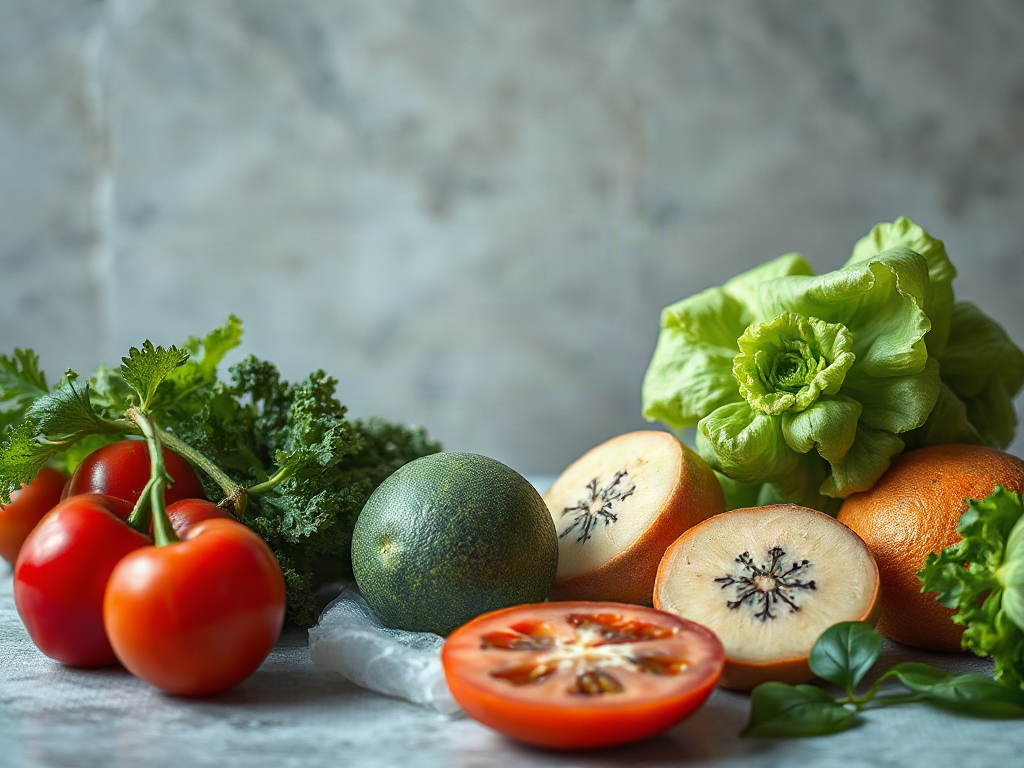
Fresh versus frozen produce nutrition and storage effects are shaped more by harvest timing, processing, temperature, and storage duration than by the label alone. Frozen produce is commonly packed near peak ripeness, but blanching before freezing may reduce some vitamin C and B vitamins while preserving fiber, minerals, and carotenoids. Fresh produce can retain excellent quality when recently harvested and refrigerated correctly, yet light, oxygen, warmth, and several days in storage may gradually reduce sensitive nutrients. Choose fresh for immediate use and texture-sensitive dishes, frozen for longer storage and cooked meals, and prioritize produce you will reliably eat before it deteriorates.
How Do Harvest and Processing Change Nutrients?
The nutritional comparison begins before produce reaches a store. Fruits and vegetables intended for freezing are often harvested when mature, processed promptly, and held at low temperatures. Produce sold fresh may also be picked ripe, especially when grown locally, but items destined for long-distance shipping can be harvested earlier so they remain firm through packing and transport. Ripeness at harvest affects flavor, color, and the concentration of certain vitamins and plant compounds.
Freezing does not remove fiber, minerals, carbohydrate, or protein from intact produce. The more consequential step is usually blanching, a short heat treatment commonly applied to vegetables before freezing. Blanching slows enzymes that would otherwise damage color, flavor, and texture in frozen storage. Heat and contact with water can reduce some water-soluble and heat-sensitive compounds, particularly vitamin C and certain B vitamins. Minerals and fiber are comparatively stable, while the retention of carotenoids and other plant pigments varies by vegetable and processing conditions.
Fruit is handled differently because many frozen fruits are not blanched. Berries, mango, cherries, and pineapple may be washed, cut, and rapidly frozen. Their cell structure is still altered by ice crystals, but freezing itself generally preserves much of the edible portion rather than concentrating or stripping it away. A frozen berry blend with no syrup or added sugar remains nutritionally close to its whole-fruit ingredients, even though thawed berries will be softer than fresh ones.
Fresh produce is not automatically untouched. Washing, trimming, peeling, cutting, and cooking can all change nutrient retention. A bag of fresh chopped spinach has more exposed surface area than an intact bunch, allowing oxygen and moisture loss to affect it faster. Conversely, frozen spinach may have experienced blanching but can remain stable for months when continuously frozen. Comparing a newly harvested bunch with frozen spinach is different from comparing the same frozen product with fresh leaves that have spent a week in transport and another week in a refrigerator.
The common mistake is treating “fresh” and “frozen” as fixed nutrient rankings. The useful comparison is between the actual products available: their ingredient lists, harvest and processing history, physical condition, intended cooking method, and likely time before consumption. Neither form should be assumed superior across every vitamin, vegetable, and meal.
What Happens During Refrigerated and Frozen Storage?
Home storage can erase the practical advantage of a well-chosen product. Fresh produce remains biologically active after harvest: it respires, loses moisture, and continues undergoing chemical changes. Warm temperatures accelerate deterioration, while oxygen and light can affect sensitive compounds. Refrigeration slows these processes but does not stop them, so crispness and vitamin retention generally decline as storage time lengthens.
Different items require different conditions. Leafy greens benefit from refrigeration and protection from excess moisture loss, but pooled water encourages sliminess and decay. Berries last better when damaged or moldy pieces are removed and the remainder stays dry until washing shortly before use. Potatoes and onions need cool, dry, ventilated storage rather than a sealed damp container, and they should be kept apart because their storage environments and spoilage patterns differ. Whole produce also tends to outlast pre-cut equivalents because cutting exposes more tissue to air and microorganisms.
Frozen produce changes much more slowly when kept continuously frozen, yet it is not immune to quality loss. Poorly sealed packages allow moisture to migrate from the food, producing dry, pale areas associated with freezer burn. Temperature fluctuations encourage ice crystals to grow larger, worsening texture. These changes primarily affect eating quality rather than turning properly handled food into a nutrient-free product, but severely dried or stale-tasting produce may be discarded instead of eaten.
| Storage situation | Likely effect | Practical response |
|---|---|---|
| Fresh greens left warm | Faster wilting and deterioration | Refrigerate promptly and keep them dry but not dehydrated |
| Cut fruit stored uncovered | Moisture loss, oxidation, and odor transfer | Use a covered container and eat it promptly |
| Frozen vegetables in a loose bag | Freezer burn and flavor loss | Press out excess air and reseal tightly |
| Repeated thawing and refreezing | Larger ice crystals and poorer texture | Remove only the portion needed and return the package quickly |
Watch for outcomes rather than relying only on a date. Fresh vegetables that remain firm, appropriately colored, and free of decay are being stored effectively. Persistent condensation, sliminess, spreading mold, or strong off-odors indicate failure. Frozen produce should remain solid and loose enough to portion when the product was originally individually frozen. A single ice-heavy block can signal partial thawing or moisture exposure, although clumping alone does not establish whether a food is unsafe.
Avoid washing produce before storage unless it can be dried thoroughly or the item benefits from a specific storage method. Added moisture often shortens the usable life of berries and leafy vegetables. The broader priority is maintaining the cold chain, limiting air exposure, and using the most perishable items first.
When Does Fresh or Frozen Produce Work Better?
Fresh produce has its clearest advantage when texture, raw flavor, and appearance define the dish. Crisp lettuce, cucumber, radishes, and ripe tomatoes contribute qualities that frozen versions cannot reproduce after thawing. Fresh berries may be preferable as a garnish, while a just-picked peach offers aroma and firmness that are difficult to preserve through freezing. Seasonal produce consumed soon after purchase can therefore deliver both strong sensory quality and substantial nutrient value.
Frozen produce is often the more functional choice for soups, curries, casseroles, sauces, oatmeal, and smoothies. Frozen peas can go directly into a pan, spinach can be stirred into a sauce, and berries can thicken a smoothie without extra ice. The softer structure that limits frozen produce in salads becomes largely irrelevant when the meal already involves blending or heating.
Budget and household rhythm matter as much as small nutrient differences. Someone cooking for one may repeatedly lose half a fresh cauliflower or bag of spinach to spoilage. Frozen florets or portioned greens allow that person to use only what a recipe needs. A larger household that finishes produce within several days may obtain better texture and equal convenience from fresh items. Price should be compared by edible amount: frozen vegetables are generally washed and trimmed, while fresh produce may include stems, peels, or damaged portions that are discarded.
Ingredient lists deserve attention because “frozen” describes a storage method, not a complete product profile. Plain broccoli and broccoli in cheese sauce are not interchangeable. Fruit packed with syrup, vegetables with salty seasoning, and prepared side dishes can contain ingredients absent from plain produce. Those products may still fit a meal, but their sugar, sodium, fat, and intended serving use should be evaluated separately from the fruit or vegetable itself.
Cooking method can have a larger practical effect than the fresh-versus-frozen choice. Boiling vegetables in abundant water allows water-soluble nutrients to move into the cooking liquid, especially when the liquid is discarded. Steaming, microwaving with little water, roasting, or using the cooking liquid in soup can limit that loss. Longer cooking also softens texture and can reduce heat-sensitive compounds, although cooking may make some carotenoids easier to release from plant tissue. No single method maximizes every nutrient.
A weak assumption is that raw fresh produce always offers the best nutritional outcome. A freezer stocked with vegetables that are used regularly can contribute more dietary variety than delicate fresh items repeatedly thrown away. Choose according to the dish, ingredient list, expected storage time, and likelihood of actual consumption.
How to Buy, Store, and Use Produce Without Wasting It
A mixed purchasing strategy usually works better than committing exclusively to fresh or frozen produce. Buy fresh items for meals planned early in the week and frozen items for later meals, backup ingredients, and foods that spoil quickly in your household. This approach protects texture where it matters while reducing the pressure to consume every vegetable within a narrow window.
At the store, inspect fresh produce for condition rather than demanding cosmetic perfection. Minor shape variation is harmless, but bruising, leaking packages, widespread soft spots, or visible mold shorten usable life. Choose frozen packages near the end of the shopping trip. A package should be cold and solid; excessive frost, torn packaging, or produce frozen into an unusual block may reflect poor sealing or temperature variation.
Use a short priority checklist at home:
- Plan the first meals around fragile produce. Use herbs, leafy greens, ripe berries, and cut vegetables before sturdy roots, cabbage, or frozen options.
- Store each item for its actual needs. Keep refrigerated foods cold, dry items ventilated, and freezer bags tightly closed.
- Label home-frozen produce. Add the item and freezing date so older packages do not disappear behind newer ones.
- Cook declining produce before it becomes unusable. Wilted but sound greens can go into soup; very ripe fruit can be cooked or frozen.
- Review what is discarded. Repeated waste signals that package size, quantity, or format should change on the next shop.
Home freezing can extend the life of surplus produce, but preparation affects the result. Many vegetables benefit from blanching before freezing because untreated enzyme activity can continue to degrade flavor, color, and texture. The appropriate preparation varies by vegetable, so a tested extension-service or food-preservation method is preferable to guessing. Fruits may be frozen in pieces on a tray before transfer to a sealed container, which makes individual portions easier to remove.
Do not expect thawed produce to return to its original structure. Ice crystals rupture cell walls, so thawed strawberries release juice and zucchini becomes softer. Use those changes intentionally: thaw berries over oatmeal so the juice becomes part of the dish, or add frozen vegetables directly to hot preparations rather than thawing them on the counter. For roasting, excess surface ice and crowded pans can cause steaming instead of browning.
The system is working when fresh produce is consumed while still appealing, frozen packages remain well sealed, and meals contain a wider range of plants with less disposal. It is failing when the refrigerator is routinely overfilled, fragile items are bought without a meal plan, or freezer bags remain open and unlabelled. Correct the recurring point of loss rather than assuming a different produce category will solve every storage problem.
Frequently Asked Questions
Is frozen produce less nutritious than fresh produce?
Not consistently. Blanching can reduce some heat-sensitive vitamins, but rapid freezing slows later deterioration. Fresh produce may begin with excellent nutrient levels and then lose some sensitive compounds during transport and prolonged refrigeration.
Does freezer burn destroy nutrients?
Freezer burn mainly damages moisture, flavor, color, and texture. Affected produce may remain usable if it has stayed frozen, but poor eating quality increases the chance that it will be discarded.
Should frozen vegetables be thawed before cooking?
Many frozen vegetables can go directly into soups, stir-fries, steaming baskets, or microwaves. Thawing may add unnecessary moisture and soften them further, although recipes such as casseroles may require draining first.
Are frozen fruits with added sugar equivalent to plain fruit?
No. They still contain fruit, but syrup or added sugar changes the product's sugar concentration and intended use. Check the ingredient list and choose unsweetened fruit when you want the closest comparison with fresh whole fruit.
Can fresh produce be frozen at home?
Yes, although the method depends on the item. Many vegetables should be blanched first, while fruit can often be sliced and tray-frozen. Proper packaging limits air exposure and freezer burn.
Conclusion
The better purchase is the produce that suits the meal and remains usable until you eat it. Select fresh vegetables and fruit when crispness, raw texture, or seasonal flavor matters, then refrigerate them promptly and schedule fragile items first. Keep plain frozen options for cooked dishes, smoothies, small households, and weeks when shopping frequency is limited.
Look beyond the front label: inspect ingredient lists, package condition, storage history, and the amount likely to be discarded. Protect fresh produce from warmth and unnecessary moisture, seal frozen packages against air, and avoid repeated temperature changes. If waste is recurring, buy smaller fresh quantities and move dependable staples to the freezer. A varied combination of properly handled fresh and frozen produce is usually more practical than trying to declare one format universally better.