
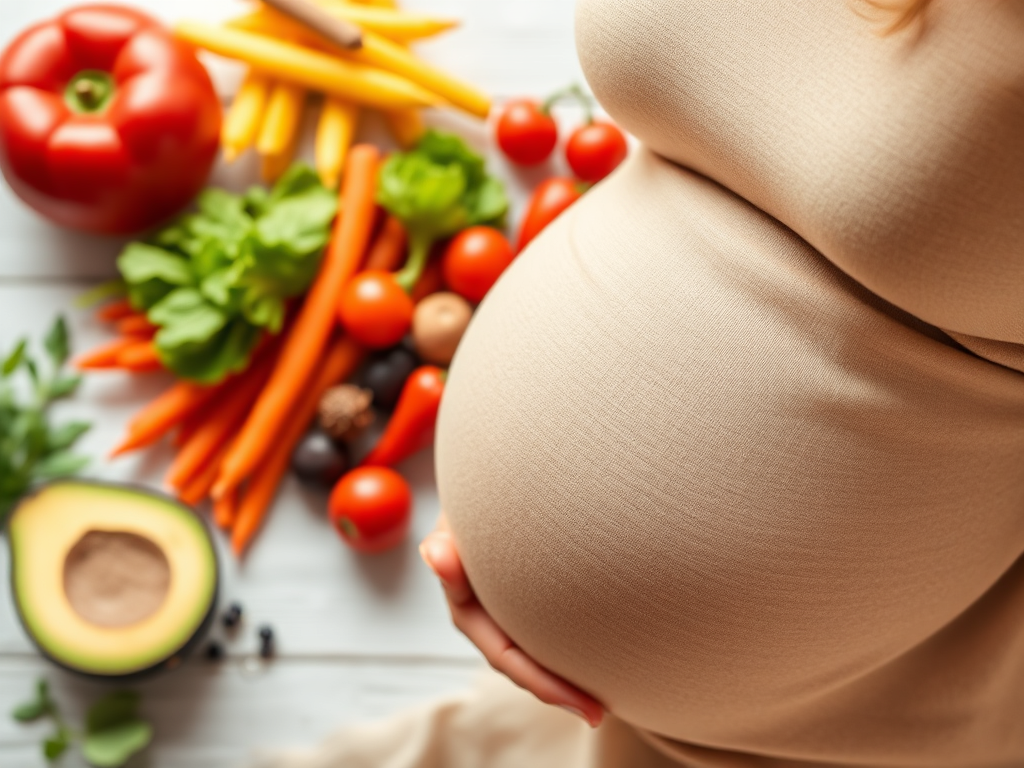
Understanding Nutritional Needs During Pregnancy
During pregnancy, the body undergoes numerous changes, necessitating an increase in nutrient intake to support both maternal health and fetal development. Essential nutrients such as folate, iron, calcium, and omega-3 fatty acids play a pivotal role in this process. Folate, for instance, is crucial for preventing neural tube defects in the developing baby, while iron is vital for maintaining healthy blood levels in the mother and ensuring adequate oxygen transport to the fetus.
Moreover, the caloric needs of pregnant women increase, particularly in the second and third trimesters. However, it is not just about consuming more calories; the focus should be on the quality of those calories. Superfoods, which are nutrient-rich foods that provide health benefits beyond basic nutrition, can help meet these elevated needs effectively.
Common misconceptions include the idea that pregnancy is a time to ‘eat for two.’ Instead, it’s essential to prioritize nutrient-dense foods that contribute to overall health. This approach helps manage weight gain while ensuring both mother and baby receive the necessary nutrients.
Safe Superfoods for Expecting Mothers
When considering superfoods during pregnancy, it is essential to select those that are both safe and beneficial. Leafy greens, such as spinach and kale, are excellent sources of vitamins A, C, and K, as well as folate. These nutrients support immune function and aid in fetal development.
Nuts and seeds, particularly walnuts and chia seeds, are rich in omega-3 fatty acids, which are important for brain development. Incorporating these into snacks or meals can significantly enhance the nutritional profile of your diet. Whole grains like quinoa and brown rice provide essential carbohydrates and fiber, promoting digestive health and sustained energy levels.
Ultimately, the key is to maintain a balanced diet that includes a variety of superfoods while ensuring proper hydration and portion control. This approach not only supports the health of the mother but also fosters optimal growth and development for the baby.
Foods to Avoid While Pregnant
While many superfoods are beneficial, certain foods should be avoided during pregnancy due to potential risks. High-mercury fish, such as shark and swordfish, can harm fetal development and should be eliminated from the diet. Additionally, unpasteurized dairy products and undercooked meats pose risks of foodborne illnesses, which can be particularly harmful during pregnancy.
Excessive caffeine consumption can also lead to complications, including low birth weight and miscarriage. It is advisable to limit caffeine intake to no more than 200 mg per day, equivalent to about one 12-ounce cup of coffee. Furthermore, processed foods high in sugar and trans fats should be minimized to prevent excessive weight gain and gestational diabetes.
Understanding these risks is crucial for making informed dietary choices. Consulting with a healthcare provider can provide personalized guidance tailored to individual health needs and preferences.
Integrating Superfoods into Your Diet
Integrating superfoods into your pregnancy diet can be both enjoyable and beneficial. Start by planning meals that include a variety of nutrient-rich foods. For breakfast, consider a smoothie with spinach, banana, and almond milk, topped with chia seeds for added omega-3s. For lunch, a quinoa salad with mixed greens, cherry tomatoes, and walnuts can provide a balanced meal.
Snacking is also an excellent opportunity to include superfoods. Opt for raw nuts, yogurt with berries, or hummus with vegetable sticks. These choices not only satisfy hunger but also deliver essential nutrients. When preparing meals, ensure that ingredients are fresh and properly washed, especially fruits and vegetables, to minimize the risk of contamination.
Lastly, listen to your body’s cravings, as they can sometimes indicate specific nutrient needs. However, always aim to make healthy choices that align with your dietary goals during pregnancy.
For those seeking more information on nutrition during pregnancy, consider exploring resources from reputable organizations such as the American College of Obstetricians and Gynecologists or the Centers for Disease Control and Prevention. These platforms provide comprehensive guidelines and research on dietary practices during pregnancy.
Frequently Asked Questions
What are the best superfoods to consume during pregnancy?
Leafy greens, nuts, seeds, whole grains, and berries are among the best superfoods to consume during pregnancy due to their rich nutrient profiles.
Are there any superfoods I should avoid while pregnant?
Avoid high-mercury fish, unpasteurized dairy, and undercooked meats, as they can pose health risks during pregnancy.
How can I integrate superfoods into my diet?
Incorporate superfoods by adding them to smoothies, salads, and snacks, ensuring a variety of nutrient-dense foods in your meals.
Is it safe to consume caffeine during pregnancy?
Limit caffeine intake to no more than 200 mg per day, as excessive consumption can lead to complications during pregnancy.
What are the nutritional needs during pregnancy?
Nutritional needs increase significantly during pregnancy, with a focus on folate, iron, calcium, and omega-3 fatty acids to support fetal development.
Further Reading
Authoritative Sources
- Library of Congress Research Guides
guides.loc.govResearch guides that help readers locate reliable background sources on a wide range of subjects
- USA.gov Official Information and Services
usa.govOfficial U.S. government information and public resources for practical reference
- Google Scholar
scholar.google.comAcademic search resource for finding research literature and source material
Conclusion
Adapting your superfood intake during pregnancy is essential for ensuring both maternal and fetal health. Focus on incorporating nutrient-dense foods while avoiding those that pose risks. By being mindful of your dietary choices and consulting with healthcare providers, you can create a balanced and healthy diet that supports your pregnancy journey. Make informed decisions and prioritize foods that contribute positively to your health and your baby’s development.
Related Content
- What Tools Can Help Me Track My Superfood Intake?
- What To Avoid When Buying Superfoods: Common Mistakes and Misleading Labels
- Swiss Chard Nutrition and Oxalate Considerations for Cooking, Portions, and Kidney Stone Risk
- Hidden Pitfalls of Popular Superfood Trends: Misconceptions, Risks, and Nutritional Balance
- Steps to Take If Superfoods Disrupt Gut Health: Identifying Causes and Effective Remedies