
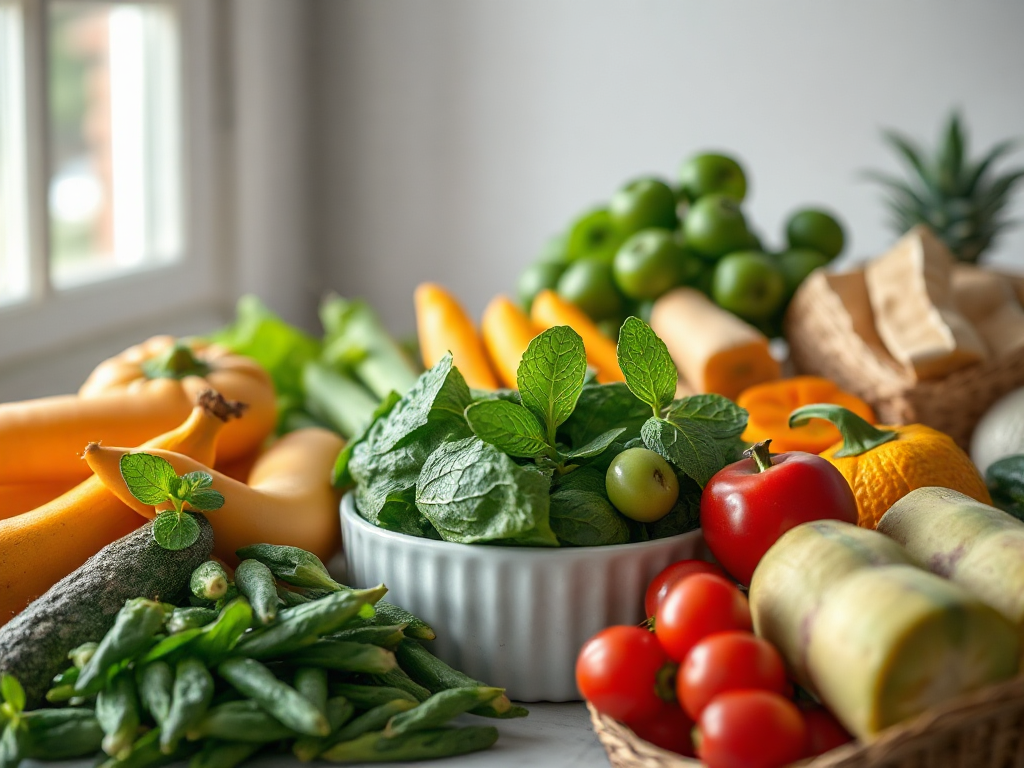
To choose superfoods that complement your diet, focus on selecting nutrient-dense options like leafy greens, berries, and nuts that align with your health goals. Consider factors such as dietary restrictions, nutritional needs, and meal preferences to ensure they fit seamlessly into your lifestyle. Prioritize whole, minimally processed foods to maximize health benefits and avoid potential allergens or additives that could disrupt your diet.
Understanding Superfoods: Definition and Importance
Superfoods are nutrient-rich foods considered to be especially beneficial for health and well-being. They are often packed with vitamins, minerals, antioxidants, and other compounds that can help boost immunity, improve heart health, and enhance overall vitality. Understanding the significance of superfoods is essential when selecting items that fit into your dietary regimen. Foods like kale, blueberries, and quinoa are commonly recognized as superfoods due to their high nutrient density and potential health benefits.
The importance of incorporating superfoods into your diet lies in their ability to provide essential nutrients that may be lacking in processed foods. For instance, antioxidants found in superfoods can combat oxidative stress and inflammation, which are linked to chronic diseases. By choosing superfoods, you can support your body’s nutritional needs while promoting a healthier lifestyle.
Identifying Your Nutritional Needs
Before selecting superfoods, it’s crucial to identify your individual nutritional needs. Consider factors such as age, gender, activity level, and specific health goals. For example, if you’re aiming to build muscle, you may prioritize superfoods high in protein, like chia seeds and Greek yogurt. Conversely, if you’re focused on heart health, omega-3-rich foods like flaxseeds and salmon might be more beneficial.
Another important aspect is any dietary restrictions or allergies you may have. For instance, individuals with gluten intolerance should avoid certain grains but can incorporate gluten-free superfoods like quinoa or amaranth. A personalized approach ensures that the superfoods you choose not only complement your diet but also support your specific health objectives.
Evaluating Superfood Options
When evaluating superfood options, consider their nutrient profiles and how they fit into your overall diet. Look for foods that offer a range of vitamins and minerals while also being low in added sugars and unhealthy fats. For instance, leafy greens like spinach and kale are excellent choices due to their high levels of vitamins A, C, and K, as well as fiber.
Additionally, consider the source and quality of the superfoods you choose. Organic options may be preferable as they are less likely to contain harmful pesticides or additives. Always check labels and opt for whole foods over processed alternatives to maximize health benefits. A common mistake is to rely heavily on superfood powders or supplements without incorporating whole food sources, which can lead to missing out on other essential nutrients.
Incorporating Superfoods into Your Diet
Incorporating superfoods into your diet can be straightforward and enjoyable. Start by adding a variety of superfoods to your meals, such as blending spinach into smoothies or sprinkling chia seeds on yogurt. Experiment with different recipes to find what you enjoy most, ensuring that the superfoods you choose enhance the flavors and textures of your meals.
Moreover, meal prepping can help you stay consistent in including superfoods in your diet. Prepare snacks ahead of time, such as energy bites made with oats and nut butter, to make healthy choices more accessible. Be mindful to balance your diet with a variety of food groups, ensuring that superfoods complement rather than replace other essential nutrients.
Frequently Asked Questions
What are superfoods?
Superfoods are nutrient-dense foods that provide health benefits, often rich in vitamins, minerals, and antioxidants.
How can I incorporate superfoods into my meals?
Add superfoods to smoothies, salads, and snacks; experiment with recipes to find enjoyable combinations.
Are all superfoods healthy?
Not all superfoods are equally healthy; choose whole food sources over processed options for maximum benefits.
Can superfoods replace a balanced diet?
No, superfoods should complement a balanced diet, not replace other essential nutrients from diverse food groups.
What should I consider when choosing superfoods?
Consider your dietary needs, preferences, and any restrictions, ensuring the superfoods support your health goals.
Conclusion
Choosing superfoods that complement your diet involves understanding your nutritional needs, evaluating options, and incorporating them effectively into your meals. Prioritize whole, minimally processed foods to maximize health benefits and enjoy a variety of flavors. By strategically selecting superfoods, you can enhance your overall diet and support your health goals.
Related Content
- High-Protein Low-Calorie Foods for Satisfying Meals With Better Pairings and Portions
- How to Balance Whole Foods With Processed Foods: Practical Steps for a Healthy Diet
- What Tips Do You Have For Selecting High-Quality Organic Superfoods?
- How to Modify Superfood Intake for Specific Diets With Foods, Portions, and Timing
- What To Do If A Superfood Doesn’t Fit Your Diet: A Safe Food-Swap Checklist