
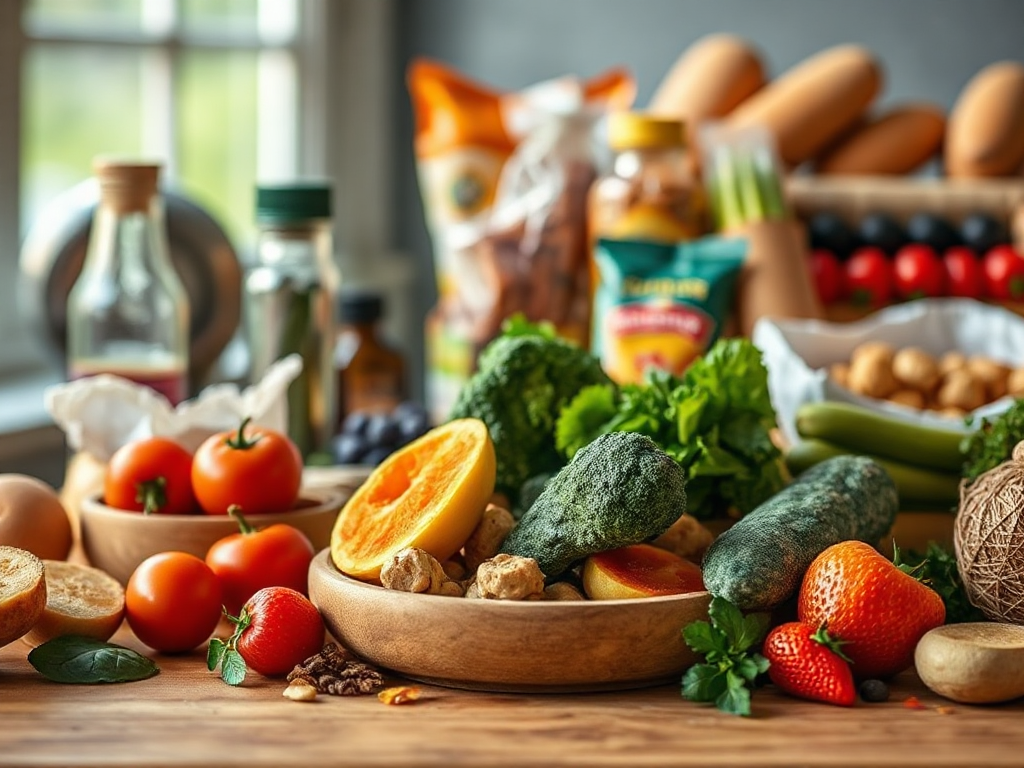
Navigate the superfood market effectively by judging each product against its nutrition, evidence, ingredient quality, price per usable serving, and fit with your meals rather than relying on labels or trend appeal. Compare whole foods with powders and extracts, check ingredient lists and serving sizes, look for transparent sourcing and testing information, and calculate cost using the amount you will actually consume. A brightly marketed product may offer little advantage over beans, berries, greens, nuts, seeds, or ordinary grains. Treat supplements as optional conveniences, watch for exaggerated health claims, and choose products that solve a specific dietary need without displacing a varied eating pattern.
Define the Nutrition Job Before Shopping
Effective market decisions begin with a specific purpose, not with a list of fashionable ingredients. Decide whether you want more fiber at breakfast, a convenient source of protein, additional unsaturated fat, a nutrient-dense topping, or a shelf-stable ingredient for busy days. That distinction matters because a product can be nutrient-rich yet still be a poor purchase if it does not address a real gap in your meals.
For example, someone seeking more fiber may gain more from lentils, oats, chia seeds, raspberries, or vegetables than from an expensive powdered blend. Someone who rarely eats fish might investigate foods containing omega-3 fats, such as walnuts, ground flaxseed, or chia, while recognizing that plant and marine sources are not interchangeable in every nutritional context. A cacao powder may add flavor and some minerals, but it should not be treated as a substitute for a balanced snack.
Separate a food’s nutrient profile from the health promise attached to it. Terms such as antioxidant, detox, immune, and energy often describe a marketing angle rather than a complete dietary outcome. The relevant question is how the item contributes to a meal pattern: does it add a useful nutrient, replace a less nourishing choice, or merely increase cost?
A practical first pass is to write down the meal or eating problem you are trying to solve. Then identify two ordinary grocery alternatives before considering a premium product. This comparison prevents novelty from setting the standard. Use how to navigate the superfood market effectively as a repeatable shopping habit, not as a reason to collect isolated ingredients.
Compare Forms, Labels, and Serving Costs
The same ingredient can have very different value depending on whether it is sold fresh, frozen, dried, powdered, concentrated, or blended with other ingredients. Form affects shelf life, preparation, nutrient concentration, taste, and the likelihood that you will use the product. Frozen berries, for instance, may be more practical than fresh berries when spoilage is a concern, while dried fruit is portable but easier to eat in large amounts because water has been removed.
Read the entire ingredient list rather than stopping at the front label. A greens powder may contain several plant ingredients but also sweeteners, flavoring agents, or proprietary blends that make comparison difficult. A nut or seed product may be straightforward, but added sugar, salt, or oils can change its role in a meal. “Organic,” “natural,” and similar descriptors do not automatically establish superior nutrition or better value.
Calculate cost per usable serving, not cost per package. A large pouch is not economical if the recommended portion is small, the flavor discourages regular use, or the product requires additional ingredients to become palatable. Compare the amount of the relevant nutrient or food component with a conventional alternative. Oats, canned beans, plain yogurt, frozen vegetables, and peanut butter often compete strongly on price, convenience, and versatility.
Consider a beginner and an experienced buyer separately. A beginner may benefit from a simple single-ingredient product with an obvious use, such as ground flaxseed for oatmeal. An experienced shopper may accept a blend when it saves preparation time, but should still verify serving size and duplication with other supplements. The common mistake is assuming a concentrated powder is automatically more effective than the intact food; concentration can increase convenience while reducing satiety, culinary flexibility, or transparency.
Check Quality, Sourcing, and Marketing Claims
Quality assessment depends on what can be verified. Look for a complete ingredient list, clear net quantity, storage instructions, a lot or batch identifier, and contact information for the manufacturer. For products marketed as supplements, independent testing information can provide useful reassurance about identity and contaminants, although a testing seal does not prove that the product will deliver a promised health outcome.
Sourcing details deserve context rather than automatic approval. A product may name its country of origin without explaining whether the ingredient is blended from multiple sources. A transparent company should make it reasonably easy to understand what is in the package and how quality is monitored. Claims that imply treatment, guaranteed detoxification, rapid fat loss, or disease prevention deserve particular skepticism. Nutrition claims should be interpreted alongside the full diet, not as evidence that one ingredient can compensate for poor eating patterns.
Fresh produce, dried botanicals, powders, and extracts also carry different practical risks. Moisture can affect dried foods; heat, light, and air can degrade some compounds; and concentrated products may deliver amounts that are difficult to judge from a casual glance at the label. “More” is not a universal advantage. People who take medication, are pregnant, have a chronic condition, or plan to use concentrated herbal products should ask a qualified clinician or pharmacist about potential interactions.
Imagine comparing two berry powders. Product A lists only the berry and gives a clear serving weight. Product B highlights a long antioxidant claim but provides a proprietary blend, vague quantities, and a much higher price. Product A is easier to evaluate, but neither product necessarily outranks frozen berries for daily use. A useful check is whether the claim survives removal of the packaging language: if the item were placed in an unbranded bowl, would its taste, nutrients, and role in your meal still justify buying it?
Use how to navigate the superfood market effectively to slow down at the point where marketing is most persuasive. A product that cannot explain what it contains, how much is present, and why it fits your purpose should not receive a premium simply because its label looks sophisticated.
Build a Purchase Decision You Can Sustain
The best choice is usually the one that fits your budget, storage space, cooking habits, and tolerance for preparation. A food that looks ideal on paper but remains unopened is less useful than a familiar ingredient that appears in several meals each week. Judge sustainability by repeat use: can you add it to breakfast, lunch, or dinner without creating a separate routine?
Use a short decision sequence before checkout:
- Purpose: Name the meal, nutrient, or convenience problem the item addresses.
- Form: Choose fresh, frozen, dried, powdered, or concentrated based on actual use and storage.
- Label: Confirm ingredients, serving size, added sweeteners, allergens, and relevant warnings.
- Value: Compare cost and versatility with ordinary grocery options.
- Trial: Buy the smallest sensible quantity and assess taste, digestion, preparation time, and frequency of use.
A small trial protects against two opposite mistakes: rejecting useful foods after one poor preparation, or stockpiling expensive products because their claims sound compelling. Try a new powder in a small smoothie, use seeds in yogurt or porridge, or add a new dried ingredient to a dish whose flavors already work. If the item causes digestive discomfort, check portion size and the rest of the meal before assuming that the ingredient is universally unsuitable. Persistent or severe symptoms warrant professional advice rather than repeated self-experimentation.
Balance also matters when adding nutrient-dense foods. A spoonful of seeds, nuts, or dried fruit can enrich a meal, but several additions may raise energy density without improving fullness. Pairing a concentrated ingredient with protein, vegetables, whole grains, or fruit may create a more complete meal than consuming it alone. For instance, chia can be mixed into yogurt with berries and oats; beans can join a grain-and-vegetable bowl; and frozen greens can be added to soup where their flavor is less dominant.
Do not confuse a premium price with a superior result. Pay more when the difference is meaningful to you, such as verified testing, better storage, reliable flavor, or access to an ingredient you genuinely cannot obtain locally. Choose the simpler option when it provides comparable nutrition and more frequent use. That is the practical standard behind how to navigate the superfood market effectively: a transparent product that improves real meals is more valuable than an impressive package that remains a novelty.
Avoid Common Shopping Errors and Reassess Results
Market decisions improve when you evaluate outcomes instead of defending the purchase. After two or three weeks of normal use, ask whether the product was eaten as planned, whether it made meals easier, whether the serving was satisfying, and whether its cost still seems reasonable. A product does not need to produce a dramatic sensation to be useful; replacing a less nutritious snack or making vegetables easier to eat may be its actual contribution.
Several assumptions regularly distort decisions. A high nutrient number on a label may reflect a concentrated serving that is too small to replace a meal. A “superfood” designation does not create a special category recognized by nutrition science, and a familiar ingredient can be just as valuable without premium branding. A product with many ingredients is not automatically more comprehensive than a single food. In summary, a supplement cannot reliably correct a broad dietary pattern that lacks adequate variety, calories, protein, or fiber.
Reassess when the product duplicates other supplements, creates unwanted side effects, strains the food budget, or displaces meals. Keep it when the label is clear, the purpose remains relevant, and repeated use produces a practical benefit such as easier meal preparation or a reliable nutrient source. The strongest market skill is not finding the most exotic item; it is distinguishing a measurable fit from an attractive claim.
Frequently Asked Questions
What should I check first when buying a superfood?
Check whether it serves a specific meal or nutrition need. Then review the ingredient list, serving size, price per use, and practical storage requirements.
Are whole foods better than superfood powders?
Not automatically. Whole foods often provide more texture and meal versatility, while powders may offer convenience. Compare the ingredient, serving, cost, and how consistently you will use it.
How can I spot exaggerated marketing?
Be cautious when a product promises detoxification, guaranteed results, disease treatment, or dramatic change from one ingredient. Look for precise quantities and claims that can be evaluated independently.
How do I compare the value of two products?
Compare cost per usable serving, ingredient amounts, added ingredients, versatility, and expected frequency of use. Package size alone does not show value.
Should I consult a professional before using concentrated products?
Ask a clinician or pharmacist if you take medication, are pregnant, have a chronic condition, or plan to use concentrated herbs or extracts. Food-based additions may still require attention to allergies and tolerance.
Conclusion
Smart superfood shopping is a comparison exercise, not a search for the most impressive label. Define the dietary job first, then examine the product’s form, ingredients, serving size, sourcing information, price, and likely place in your meals. Ordinary options such as beans, oats, frozen produce, nuts, seeds, and whole grains should remain part of the comparison because they often offer strong value and flexibility. Treat powders and extracts as conveniences with tradeoffs, not automatic upgrades. Trial unfamiliar products in realistic portions, monitor taste and tolerance, and discontinue purchases that do not earn a regular place in your routine. A transparent ingredient that improves an actual meal is a better decision than a costly product supported mainly by vague promises.
Related Content
- Why Some Superfoods May Not Fit Dietary Restrictions: Common Issues and Practical Solutions
- Healthy Snacks for Weight Loss and Better Satiety: Choices, Portions, and Timing
- Hidden Costs of Switching to Whole Food Superfoods: Budgeting for Nutritional Investments and Lifestyle Changes
- Low-FODMAP Foods for SIBO Meal Planning: Portions, Reintroduction, and 3-Day Menu
- Can Superfoods Improve Gut Health Without Supplements: Top Foods and Their Benefits