
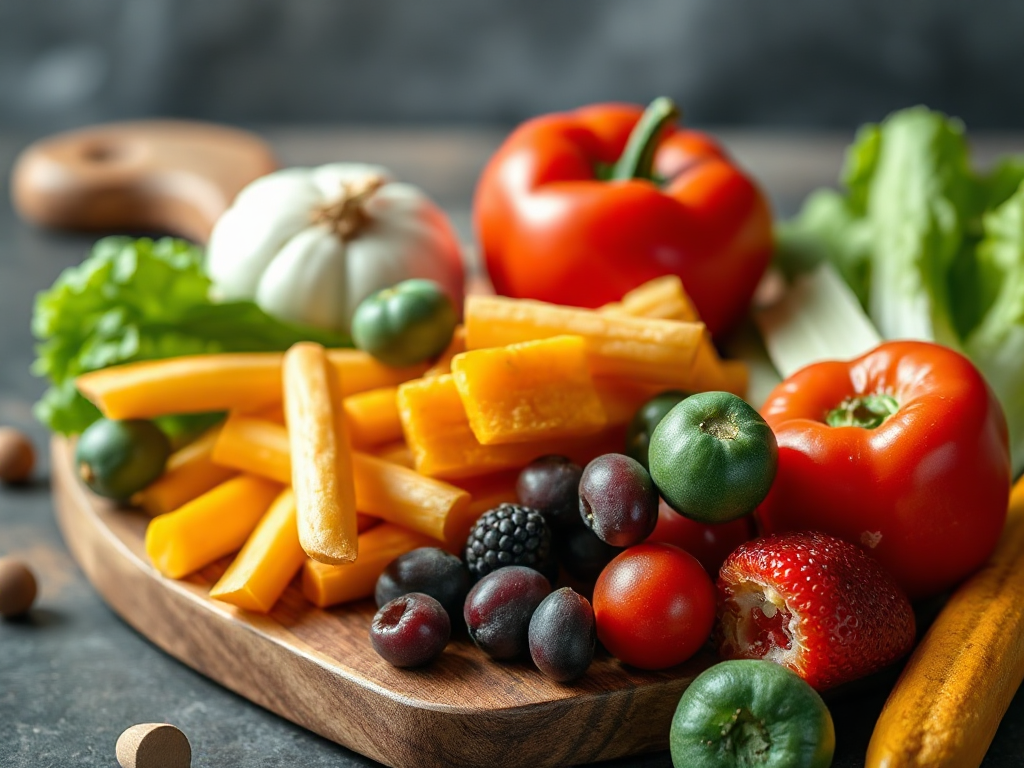
Selecting superfoods based on personal dietary goals means matching nutrient-dense whole foods to a specific need, such as more fiber, plant protein, iron, omega-3 fats, or steadier meals, while checking allergies, medical conditions, budget, and preparation habits. Begin with one measurable goal, then compare foods by their relevant nutrients rather than by popularity or marketing claims. Beans, lentils, oats, berries, leafy greens, nuts, seeds, and fatty fish may fit different priorities, but portion size and the rest of the meal determine their practical value. Introduce unfamiliar foods gradually, monitor tolerance, and treat powders or extracts as optional rather than automatic replacements for varied foods.
Define the Dietary Goal Before Choosing a Food
A useful food choice begins with a specific dietary goal, not with a fashionable ingredient. “Eat healthier” is too broad to guide a purchase, while “add a filling source of fiber to breakfast” gives you a workable decision. Other goals might include increasing plant protein, adding iron-rich foods, finding convenient sources of unsaturated fat, or making meals more nutrient-dense without substantially raising their cost.
The goal determines what qualifies as a good match. Chia seeds may be useful when someone wants fiber and a modest amount of plant-based omega-3 fat, but they are not a complete protein source or a substitute for a meal. Lentils may fit a plant-protein and iron priority, especially when paired with vegetables and a source of vitamin C. Frozen berries can add flavor and fiber with little preparation, whereas a specialty powder may offer convenience but less satiety than eating the intact food.
Write the goal in a form that can be observed over a week or two. “Include a legume at lunch four times” is more actionable than “get more protein.” This approach also exposes competing priorities. A person seeking more calories may value nuts, seeds, or avocado, while someone trying to make meals more filling within a lower energy budget may favor beans, vegetables, oats, or fruit.
A common mistake is selecting several foods because they are labeled “superfoods” and then expecting each one to cover every nutritional need. No single ingredient reliably supplies adequate protein, fiber, vitamins, minerals, and energy in the right proportions. Use how to select superfoods based on personal dietary goals as a matching exercise: identify the gap, choose a food that addresses it, and fit that food into an otherwise varied eating pattern.
Match Nutrients to Foods and Meals
Nutrient matching is more reliable than ranking foods from “best” to “worst.” Start by identifying the nutrient or meal function most connected to the goal. Fiber contributes bulk and can make meals more satisfying; protein supplies amino acids and often improves the staying power of a meal; unsaturated fats add energy and texture; iron, calcium, iodine, vitamin B12, and vitamin D may require more deliberate planning depending on the eating pattern.
Food examples should be judged in context. For fiber, oats, beans, lentils, raspberries, pears, vegetables, and seeds offer different combinations of texture, cost, and preparation time. For plant protein, tofu, tempeh, edamame, lentils, chickpeas, and beans are generally more substantial choices than a garnish-sized sprinkle of seeds. For omega-3 fats, walnuts and ground flaxseed provide plant-based alpha-linolenic acid, while fatty fish provides different omega-3 forms. These are not interchangeable in every nutritional discussion, so the intended goal matters.
Meal composition changes the usefulness of a chosen ingredient. Oats topped with berries, yogurt or a fortified alternative, and seeds has a different protein and satiety profile from plain oats with a small amount of fruit. A bean-and-vegetable bowl can become more complete when paired with a grain and a flavorful dressing. Leafy greens contribute folate, vitamin K, and other compounds, but they should complement—not replace—foods that supply protein and energy.
Check portion and frequency rather than assuming that a small amount creates a meaningful dietary change. A tablespoon of a seed may be a pleasant addition, but it will not perform the same role as a serving of beans. Conversely, increasing concentrated foods rapidly can add more calories or fiber than a person expects. USDA FoodData Central can help compare nutrient profiles of specific foods, although database entries do not replace individualized medical advice.
The weak assumption to avoid is that nutrient density alone determines value. A food that looks impressive on paper may be expensive, difficult to digest, unavailable locally, or rarely eaten because it does not suit the household. A less glamorous food used consistently—such as canned beans, frozen spinach, eggs, oats, or plain nuts—may serve the stated goal better.
Account for Tolerance, Safety, and Real-Life Constraints
A nutritionally appropriate food still has to be tolerable, safe, affordable, and practical. Digestive response varies with the food, portion, preparation, and the rest of the meal. Someone increasing beans may experience discomfort if the change is abrupt, while a smaller portion introduced gradually may be easier to manage. Rinsing canned beans, cooking dried legumes thoroughly, and varying sources can improve practicality without turning the process into a rigid rule.
Dietary restrictions narrow the useful choices but do not eliminate variety. People avoiding animal foods may need to pay particular attention to nutrients such as vitamin B12, iron, calcium, iodine, and omega-3 fats. Anyone with a diagnosed allergy must distinguish an ingredient from a safe alternative and consider cross-contact. Those taking medication or managing kidney disease, diabetes, gastrointestinal disorders, pregnancy-related nutrition needs, or another medical condition should ask a qualified clinician or registered dietitian before making major changes or using concentrated supplements.
Whole foods and powders also carry different tradeoffs. A powdered greens product may be convenient during travel, but it often provides less chewing and satiety than vegetables and may contain a complex blend that is difficult to evaluate. A whole orange supplies fluid, carbohydrate, fiber, and texture; a citrus-flavored supplement may provide selected compounds but not the same eating experience. NIH Office of Dietary Supplements fact sheets are a more dependable starting point for supplement questions than product claims or influencer recommendations.
Budget and storage deserve equal attention. Frozen berries can be a practical alternative to fresh berries when spoilage is a problem. Canned fish, lentils, oats, cabbage, carrots, and dried beans may deliver more repeatable value than expensive imported ingredients. Compare cost per usable serving, not package price. A large bag is not economical if it expires before it is used.
A common failure mode is changing too many variables at once. If five new powders, seeds, and herbal products enter the diet in one week, a later symptom, expense, or dislike becomes difficult to trace. Choose one change, keep the preparation simple, and observe appetite, digestion, convenience, and repeat use before adding another.
Build and Test a Personal Superfood Shortlist
A shortlist turns nutrition theory into a repeatable shopping and meal decision. Select two or three foods for the main goal, then add alternatives for cost, taste, availability, and dietary restrictions. For a fiber goal, the primary options might be oats and lentils, with berries or vegetables as flexible additions. For plant protein, tofu, beans, and edamame may offer different textures and preparation demands.

Use a simple five-step check:
- Name the priority: Choose one nutrient, meal function, or eating-pattern objective.
- Choose a food form: Decide whether fresh, frozen, canned, dried, cooked, or minimally processed is most practical.
- Pair it with the meal: Add complementary protein, produce, grain, or fat when the selected food does not provide a complete meal.
- Test a realistic portion: Start with an amount that fits normal eating habits rather than an extreme serving.
- Review the result: Keep it if the food supports the goal, feels tolerable, fits the budget, and is likely to be eaten again.
For example, someone seeking a more sustaining afternoon snack could compare an apple alone, an apple with peanut butter, yogurt with berries, or roasted chickpeas. The best option depends on allergy status, appetite, protein needs, refrigeration, and whether the person wants a portable food. There is no benefit in choosing a theoretically excellent snack that routinely gets skipped.
Signs that the approach is working include better meal structure, consistent inclusion of the target nutrient, acceptable digestion, and less reliance on emergency convenience foods. Signs it is failing include escalating portions to compensate for an unbalanced meal, persistent discomfort, rising costs, or dependence on a supplement to maintain the plan. At that point, change the food or the meal pairing rather than assuming the goal itself is wrong.
Keep the shortlist flexible. Seasonal produce, store discounts, cultural preferences, and cooking skill should influence the final choice. A rotating set of beans, leafy vegetables, fruit, whole grains, nuts, seeds, and other nutrient-rich foods is usually more resilient than a rigid menu built around one celebrated ingredient. For more context, revisit how to select superfoods based on personal dietary goals whenever the goal, budget, health situation, or eating schedule changes.
Frequently Asked Questions
What is the first step in choosing a superfood?
Define one concrete goal, such as increasing fiber at breakfast or adding plant protein to lunch, before comparing foods.
Are expensive superfoods better than familiar foods?
Not necessarily. Oats, beans, frozen vegetables, fruit, nuts, and seeds may meet many goals at a lower cost and with easier storage.
Should superfoods be eaten raw?
No. Cooking, soaking, freezing, or using canned versions can improve convenience and tolerability, depending on the food.
Can one superfood cover a nutritional deficiency?
Usually not. Persistent deficiencies require evaluation of the overall diet and, when appropriate, guidance from a qualified healthcare professional.
When should someone choose a supplement instead of a whole food?
A supplement may be appropriate in specific situations, but its need, dose, and safety depend on the nutrient, health status, medications, and professional advice.
Conclusion
Choosing nutrient-rich foods works best as a matching process rather than a search for one perfect ingredient. Define the dietary goal, identify the nutrient or meal function involved, and compare foods by their actual contribution, cost, tolerance, and availability. Build the choice into a complete meal when necessary: beans may need complementary foods for variety, seeds may be an addition rather than a protein foundation, and powders may offer convenience without replacing the texture and fullness of whole foods. Test one change at a time and keep the options that fit normal life. If a goal involves a diagnosed condition, medication, pregnancy, allergy, or suspected deficiency, use professional guidance before making concentrated or restrictive changes.
Related Content
- What to Do If Superfoods Cause Fatigue: Understanding Causes and Practical Solutions
- How to Incorporate Superfoods Into Gluten-Free Meals: Practical Methods and Ingredients
- Editorial Standards & Corrections
- Steps to Take If You Experience Joint Pain From Superfoods: Identifying Triggers and Adjusting Your Diet
- How To Evaluate The Nutritional Value Of Superfoods With A Practical Food Label Checklist