
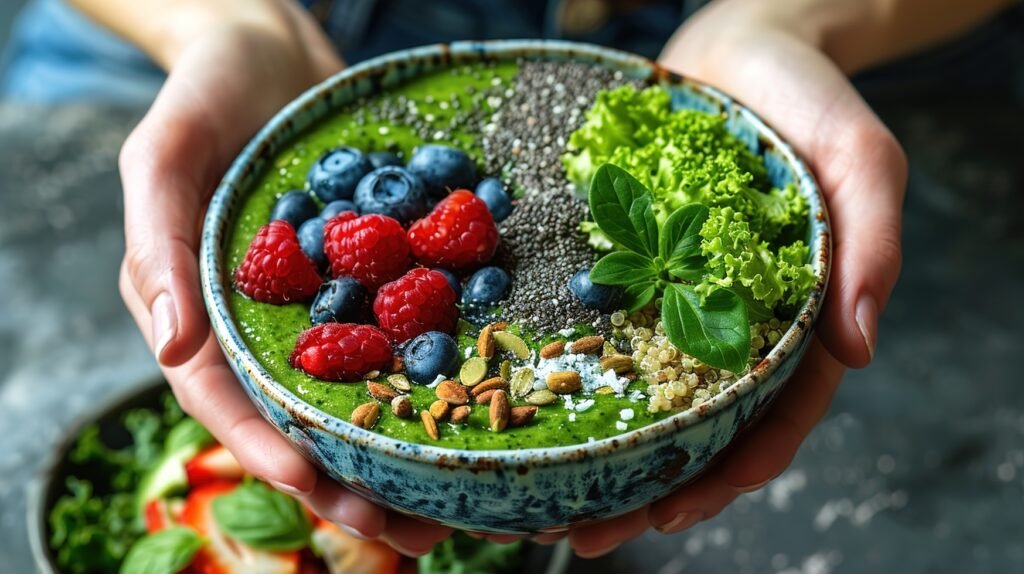
Integrating superfoods into daily meals can be challenging due to taste preferences, preparation time, and dietary restrictions. Many people find it difficult to enjoy superfoods like kale or chia seeds, which may have strong flavors or require time-consuming preparation methods. To overcome these hurdles, consider gradually introducing superfoods by mixing them with familiar ingredients, which can enhance flavor and ease the transition. Additionally, exploring diverse recipes can help you discover appealing ways to incorporate these nutrient-rich foods into your diet, making healthy eating both enjoyable and convenient.
Understanding Superfoods
Superfoods are nutrient-rich foods considered to be especially beneficial for health and well-being. They often contain high levels of vitamins, minerals, antioxidants, and other compounds that can promote health benefits. Examples include kale, blueberries, quinoa, and chia seeds. Understanding what defines a superfood is crucial for effectively integrating them into daily meals. Their high nutritional value can support various aspects of health, including immunity, digestion, and heart health.
However, the term ‘superfood’ can sometimes be misleading due to marketing practices. Not every nutrient-dense food labeled as a superfood has substantial evidence supporting its health claims. Recognizing this can help you make informed choices about which superfoods to prioritize in your diet.
Common Barriers to Integration
Several barriers can impede the integration of superfoods into daily meals. One major issue is taste preference; many superfoods have strong or unique flavors that may not appeal to everyone. For instance, while kale is packed with nutrients, its bitter taste can be off-putting for some. Additionally, the preparation time required for certain superfoods, like soaking chia seeds or cooking quinoa, can deter individuals with busy lifestyles.
Another significant barrier is dietary restrictions or allergies. Individuals with specific dietary needs may find it challenging to incorporate certain superfoods without compromising their health. For example, those with gluten intolerance need to avoid grains like wheat, which can limit their options. Understanding these barriers is essential to developing strategies for successful integration.
Practical Tips for Incorporation
To effectively incorporate superfoods into your daily meals, start by gradually introducing them. For instance, add a handful of spinach to your morning smoothie or sprinkle chia seeds over yogurt. This approach allows you to adjust to the flavors without overwhelming your palate. Additionally, experimenting with various recipes can help find appealing ways to include superfoods. For example, using avocado in smoothies can mask the taste of kale while adding creaminess.
Pairing superfoods with familiar ingredients can enhance their appeal. For example, mixing quinoa with roasted vegetables and a flavorful dressing can create a satisfying dish that highlights the superfood without making it the focal point. Moreover, consider meal prepping to save time; preparing superfood-rich meals in advance can make it easier to stick to your dietary goals.
Balancing Nutritional Needs
When integrating superfoods into your diet, it’s crucial to balance your overall nutritional needs. While superfoods can provide significant health benefits, they should not replace a varied diet. Ensure you are consuming a wide range of foods to meet your nutritional requirements. For instance, while incorporating foods like spirulina and acai, don’t overlook the importance of whole grains, proteins, and healthy fats.
Additionally, being mindful of portion sizes is important. Some superfoods, such as nuts and seeds, are energy-dense and can contribute to caloric excess if consumed in large quantities. Understanding how to balance these foods within your overall meal plan will help you reap the benefits without compromising your health goals.
Frequently Asked Questions
What are superfoods?
Superfoods are nutrient-dense foods that provide health benefits, often high in vitamins, minerals, and antioxidants.
How can I start incorporating superfoods into my meals?
Begin by adding small amounts of superfoods to familiar dishes, such as smoothies or salads, to gradually adjust to their flavors.
Are there any risks to consuming superfoods?
While generally safe, some superfoods may cause digestive issues or allergic reactions in certain individuals, so it’s important to introduce them gradually.
Can superfoods replace a balanced diet?
No, superfoods should complement a balanced diet rather than replace it; a variety of foods is necessary for overall health.
How do I choose the right superfoods for my diet?
Select superfoods based on your health goals, dietary preferences, and any allergies or restrictions you may have.
Conclusion
Successfully integrating superfoods into your daily meals requires understanding the barriers and employing practical strategies. Focus on gradual incorporation, experimenting with flavors, and balancing your overall diet to reap the benefits without sacrificing enjoyment. By recognizing your own preferences and dietary needs, you can make informed choices that enhance your nutrition and overall well-being.
Related Content
- How to Identify Hidden Sugars in Superfoods: Key Ingredients and Label Insights
- Identifying Signs That a Superfood Is Not Beneficial: Common Misconceptions and Health Risks
- How Do Different Superfoods Compare In Nutritional Value?
- Steps to Take If Superfood Powders Don’t Mix Well: Effective Methods for Smooth Blending
- Which Superfoods Are Easiest for Beginners to Start With: Simple Options to Enhance Your Diet