
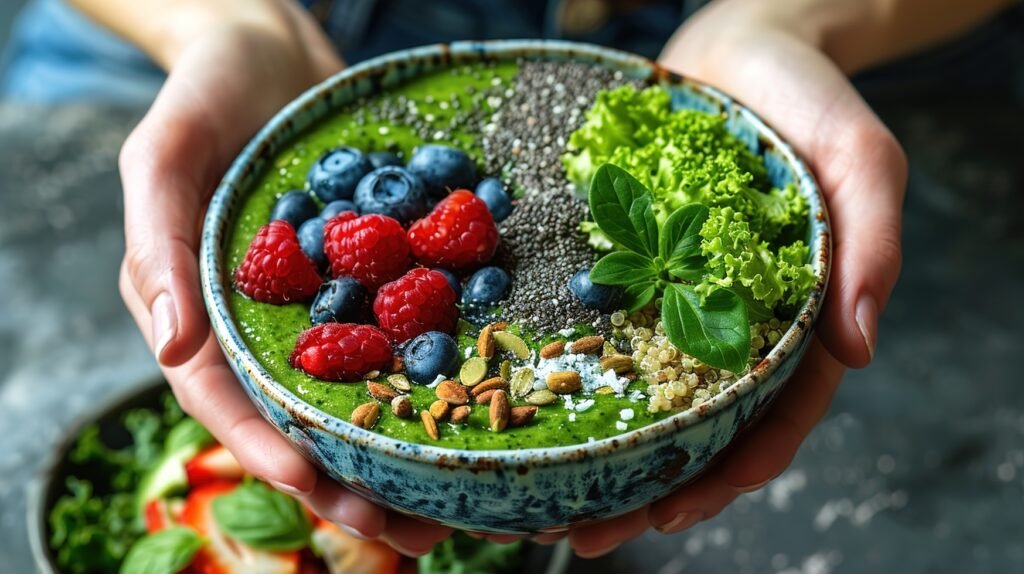
When buying superfoods, it's essential to avoid products with misleading labels and unnecessary additives that diminish their health benefits. Look for items that clearly list whole food ingredients and steer clear of those with high levels of added sugars or artificial components. Misleading health claims can often be found on packaging, so it's vital to scrutinize these assertions and seek out scientifically supported benefits. Prioritize superfoods in their natural state, such as whole fruits, vegetables, and seeds, to ensure you are making a beneficial choice for your health. Always read ingredient lists carefully to make informed decisions about your superfood purchases.
Understanding Superfood Labels
Superfood labels can often be misleading. Many products advertised as “superfoods” may not meet the nutritional standards implied by their packaging. It is crucial to discern between genuine superfoods and those that are merely marketed as such. Look for clear, transparent labeling that provides nutritional information, including the ingredients list and serving sizes.
For instance, a product labeled as a superfood smoothie may contain high levels of added sugars or fillers that negate its health benefits. Always check the ingredient list; if the first few ingredients are sugars or artificial substances, it’s best to avoid it. A genuine superfood should have whole food ingredients listed prominently.
Avoiding Artificial Additives
When purchasing superfoods, one of the biggest pitfalls is the inclusion of artificial additives. These can be preservatives, colorings, or flavorings that compromise the health benefits of the product. Often, these additives are used to enhance taste or shelf life but can have negative effects on health.
For example, many protein powders marketed as superfoods contain artificial sweeteners and flavor enhancers that may lead to digestive issues or other health concerns. Opt for superfoods that are as close to their natural state as possible, such as whole fruits, vegetables, nuts, and seeds. Reading labels carefully will help you avoid these unwanted additives.
Recognizing Misleading Health Claims
Health claims on superfood packaging can be deceptive. Phrases like “boosts immunity” or “aids weight loss” are often used without scientific backing. It is essential to approach these claims critically and seek out reputable studies or sources that support them.
For instance, a product might claim to be a “detox superfood,” yet lacks any credible evidence demonstrating its effectiveness. Instead, focus on whole foods known for their health benefits, such as kale, chia seeds, or blueberries. These foods have well-documented nutritional profiles and are less likely to be accompanied by misleading claims.
Choosing Quality Sources
Not all sources of superfoods are created equal. Some may come from farms using harmful pesticides or unsustainable practices. When selecting superfoods, consider the source and look for certifications such as organic or fair trade, which can provide some assurance of quality.
Additionally, local farmers’ markets can be a great place to find fresh, high-quality superfoods. Supporting local agriculture not only ensures that you get fresher produce but also helps reduce the carbon footprint associated with transportation. When in doubt, research brands and their sourcing practices to make informed choices.
Frequently Asked Questions
What should I look for on a superfood label?
Check for whole food ingredients, avoid added sugars, and look for clear nutritional information.
Are all superfoods healthy?
No, some superfoods can be processed or contain additives that reduce their health benefits.
How can I tell if a superfood is worth buying?
Research the product’s source, read reviews, and check for scientific backing of health claims.
Is organic always better for superfoods?
Organic products are generally better as they are grown without harmful pesticides, but check for other quality indicators as well.
Where can I buy high-quality superfoods?
Consider local farmers’ markets or reputable health food stores that emphasize quality sourcing.
Conclusion
When purchasing superfoods, it is essential to be discerning. Focus on whole, minimally processed options, scrutinize labels for additives, and be wary of misleading health claims. Prioritize high-quality sources to maximize the health benefits of your superfood choices. By being informed and critical, you can ensure that your superfood purchases truly contribute to your health and wellness goals.
Related Content
- Tomato Nutrition By Serving Size And Preparation: Raw, Cooked, Canned, And Sauced
- How to Identify Signs of Superfood Intolerance: Symptoms, Causes, and Practical Steps
- Can Organic Superfoods Help With Weight Loss Or Management?
- How to Choose Superfoods That Fit Dietary Restrictions: A Practical Approach for Healthier Choices
- Common Barriers to Incorporating Superfoods Into Meals: Practical Solutions and Strategies