
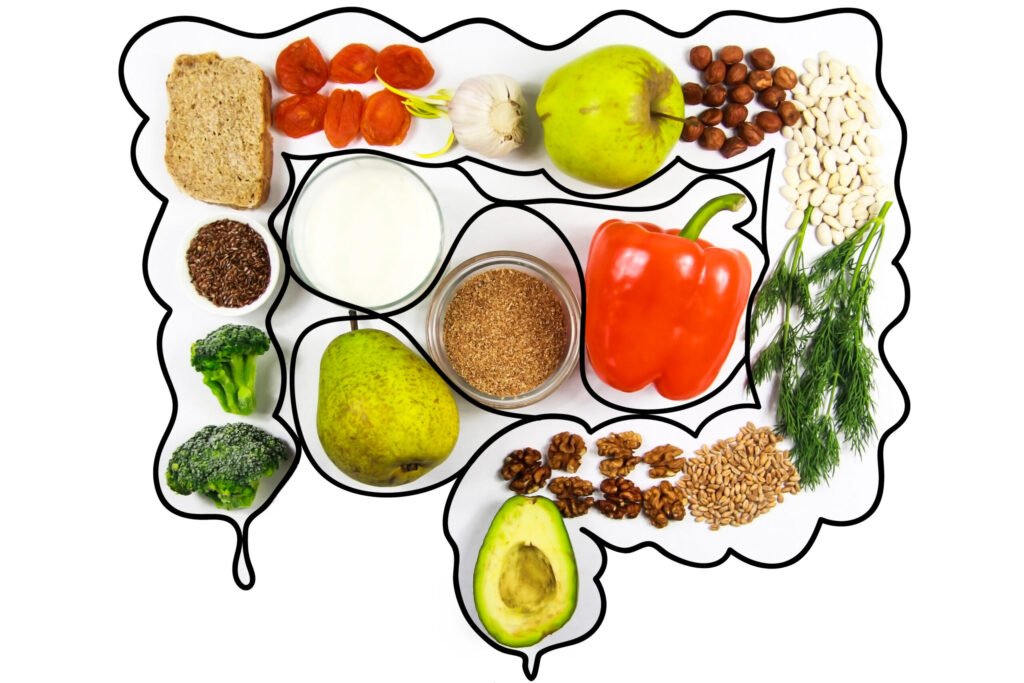
Understanding the unique benefits of these superfoods can help you make informed dietary choices. For instance, kale is an excellent source of vitamin K, which supports bone health, while quinoa offers a complete protein profile, making it ideal for vegetarians and vegans. Incorporating these foods into your diet can enhance your nutritional intake and support your health goals.
However, it’s essential to recognize that not all superfoods are equal. Some may be more beneficial for specific health conditions or dietary needs. For example, while blueberries are rich in antioxidants that may reduce inflammation, those with diabetes should consider their sugar content. Prioritizing nutrient density while being mindful of personal health conditions can optimize your dietary choices.
Kale: The Leafy Green Powerhouse
Kale is often regarded as one of the most nutrient dense vegetables available. It is packed with vitamins A, C, and K, as well as minerals like calcium and potassium. This leafy green is also high in fiber, promoting digestive health and satiety.
Incorporating kale into your diet can be as simple as adding it to smoothies, salads, or soups. However, some individuals may find raw kale difficult to digest; cooking it lightly can improve its digestibility while retaining most of its nutrients. Additionally, purchasing organic kale can help reduce exposure to pesticides.
Many people overlook the potential bitterness of kale. To counteract this, try massaging the leaves with a bit of olive oil or lemon juice before using them in salads. This not only enhances flavor but also makes the leaves more tender and palatable.
Quinoa: The Complete Protein
Quinoa is unique among grains due to its complete protein profile, containing all nine essential amino acids. This makes it an excellent choice for vegetarians and those looking to increase their protein intake without consuming animal products.
When preparing quinoa, it’s crucial to rinse it thoroughly before cooking to remove naturally occurring saponins that can impart a bitter taste. Quinoa can be used in various dishes, from salads to side dishes, making it a versatile addition to your pantry.
One common mistake is assuming that quinoa is just another grain. It’s essential to recognize its higher protein content and superior nutrient density compared to rice or pasta. Substituting quinoa for these grains can significantly enhance your meals’ nutritional value.
Blueberries: Antioxidant-Rich Berries
Blueberries are renowned for their high antioxidant content, particularly anthocyanins, which give them their vibrant color. These antioxidants play a vital role in reducing oxidative stress and inflammation in the body.
Adding blueberries to your diet can be as simple as tossing them into yogurt, oatmeal, or smoothies. However, it’s important to consider the source; organic blueberries may have fewer pesticide residues, making them a healthier option.
A common oversight is underestimating the sugar content in fruits. While blueberries are lower in sugar than many other fruits, moderation is key, especially for those managing blood sugar levels. Balancing blueberries with other low-sugar fruits can help maintain a healthy diet.
Salmon: Omega-3 Fatty Acids
Salmon is a fatty fish rich in omega-3 fatty acids, which are essential for heart health and cognitive function. Regular consumption of salmon can help lower the risk of heart disease and improve brain health.
When selecting salmon, consider the source. Wild-caught salmon typically has a higher omega-3 content and fewer contaminants compared to farmed varieties. Cooking methods also matter; grilling or baking salmon can preserve its healthy fats better than frying.
Many people may not realize the importance of incorporating fatty fish into their diet regularly. Aim for at least two servings of fatty fish per week to reap the full benefits of omega-3 fatty acids. Additionally, consider exploring other sources of omega-3s, such as walnuts and flaxseeds, for variety.
Further Reading
Authoritative Sources
- Nutritional Benefits of Kale
ncbi.nlm.nih.govThis article provides an in-depth look at the nutritional profile and health benefits of kale
- Health Benefits of Quinoa
healthline.comExplore the numerous health benefits of quinoa and how to incorporate it into your diet
- Blueberries and Their Health Benefits
ncbi.nlm.nih.govResearch on the health benefits of blueberries, including their antioxidant properties
- The Benefits of Eating Fish
health.harvard.eduLearn about the health advantages of consuming fish, particularly fatty fish like salmon
Frequently Asked Questions
What are superfoods?
Superfoods are nutrient-rich foods considered to be especially beneficial for health and well-being.
How can I incorporate superfoods into my diet?
Incorporate superfoods by adding them to smoothies, salads, or as side dishes. Experiment with different recipes to find what you enjoy.
Are all superfoods expensive?
No, many nutrient dense superfoods like beans, lentils, and seasonal fruits can be affordable and accessible.
How often should I eat superfoods?
Incorporating a variety of superfoods into your diet several times a week can help maximize health benefits.
Can I get all my nutrients from superfoods?
While superfoods are nutrient dense, a balanced diet that includes a variety of foods is essential for overall health.
Conclusion
Incorporating nutrient dense whole food superfoods like kale, quinoa, blueberries, and salmon into your diet can significantly enhance your nutritional intake and support overall health. Prioritize these foods to maximize their benefits while being mindful of personal health conditions and dietary preferences. A balanced approach, including a variety of foods, ensures that you receive a comprehensive range of nutrients necessary for optimal health. Start by adding one or two superfoods to your meals each week and gradually expand your intake for the best results.
Related Content
- Healthy Liver Diet Foods and Meal Structure for Fiber, Protein, and Lower Added Sugar
- Which Superfoods Help Maintain Healthy Cholesterol Levels: Top Foods for Heart Health
- No Salt Diet Food Choices and Flavor Alternatives That Make Low-Sodium Meals Satisfying
- What Are The Best Superfoods For Optimal Nutrition?
- Issues With Sourcing Superfoods From Unreliable Suppliers: Identifying Risks, Quality Concerns, and Best Practices