
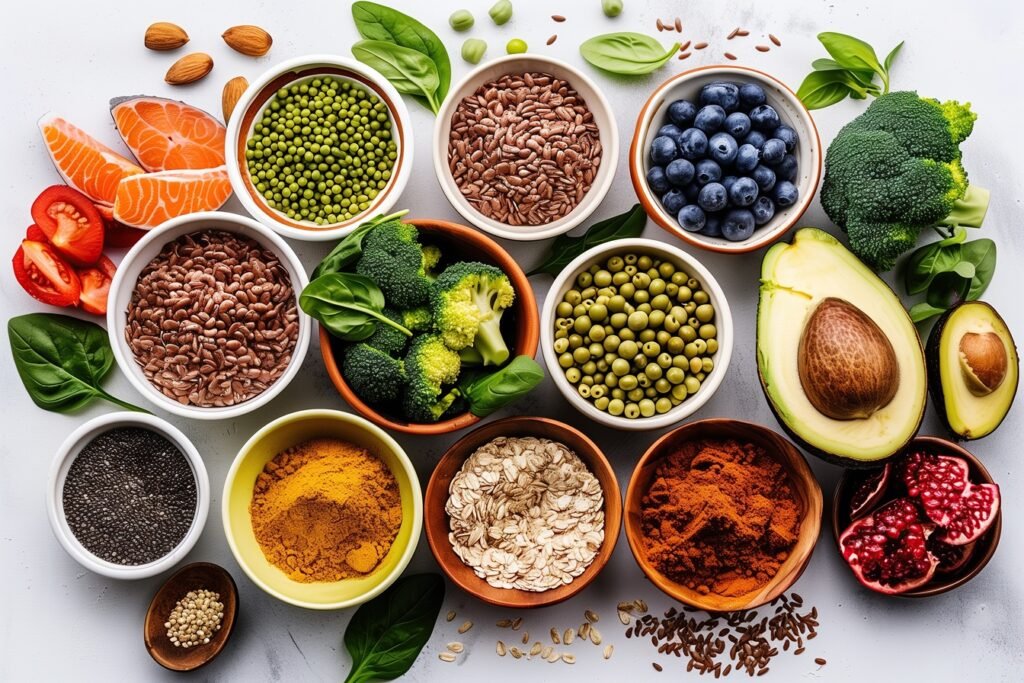
Understanding the specific nutrients that combat stress is crucial. For instance, magnesium, found in dark chocolate and avocados, plays a significant role in regulating cortisol levels, the hormone primarily responsible for stress. Similarly, adaptogenic herbs like ashwagandha and Rhodiola rosea can help the body adapt to stressors and promote a sense of calm. Prioritizing a diet rich in these superfoods can lead to long-term benefits for emotional health.
A common misconception is that simply adding superfoods to one’s diet will yield immediate stress relief. However, it’s essential to integrate these foods into a balanced diet consistently. Moreover, lifestyle factors such as sleep quality, physical activity, and hydration also significantly influence stress levels. Therefore, while superfoods are a powerful tool, they should be part of a comprehensive approach to stress management.
Understanding Stress and Nutrition
Stress affects individuals differently, with varying impacts on mental and physical health. Nutrition plays a crucial role in how the body responds to stress. Foods high in sugar and unhealthy fats can exacerbate stress levels, while nutrient-rich superfoods can promote resilience. Focusing on a well-rounded diet that includes vitamins and minerals essential for neurotransmitter function is vital for maintaining emotional stability.
Moreover, chronic stress can lead to deficiencies in key nutrients, creating a vicious cycle. For example, prolonged stress can deplete magnesium levels, leading to increased anxiety and irritability. Recognizing the relationship between nutrition and stress can empower individuals to make informed dietary choices that enhance their stress management strategies.
In addition to dietary choices, understanding individual triggers for stress can help tailor nutritional interventions. For instance, those who experience stress related to work deadlines may benefit from foods that provide sustained energy and focus, such as complex carbohydrates and proteins. Tailoring your diet to your stressors can enhance the effectiveness of your dietary changes.
Top Superfoods for Stress Reduction
Several superfoods are particularly effective in managing stress. Blueberries, for example, are rich in antioxidants that combat oxidative stress in the body, which can be heightened during stressful times. Additionally, fatty fish like salmon provide omega-3 fatty acids, which have been shown to reduce anxiety and improve mood.
Other noteworthy superfoods include dark chocolate, which contains flavonoids that may enhance mood and cognitive function, and leafy greens, which are high in folate, a nutrient that supports serotonin production. Incorporating a variety of these foods into your diet can create a synergistic effect that enhances stress resilience.
It’s also important to consider the preparation methods of these foods. For instance, lightly steaming vegetables can preserve their nutrients better than boiling. Understanding food preparation can maximize the benefits of superfoods and ensure that you are getting the most from your dietary choices.
Incorporating Superfoods into Your Diet
Incorporating superfoods into your daily meals can be straightforward and enjoyable. Start by adding berries to your breakfast cereal or smoothies, which can provide a nutrient boost at the start of the day. Incorporating fatty fish into your weekly meal plan, perhaps through grilled salmon or sardine salads, can also enhance omega-3 intake.
Meal prepping can be an effective strategy to ensure that superfoods are readily available. Preparing snacks such as mixed nuts or energy balls made from dates and seeds can help maintain energy levels throughout the day. This proactive approach not only supports stress management but also promotes overall health.
Additionally, consider the timing of your meals. Eating smaller, more frequent meals can help stabilize blood sugar levels, which may prevent stress-induced cravings and mood swings. Paying attention to meal timing can enhance the overall effectiveness of incorporating superfoods into your diet.
Further Reading
For those looking to further explore the connection between nutrition and stress management, consider the following resources:
Authoritative Sources
- Nutritional Neuroscience: The Relationship Between Diet and Mental Health
ncbi.nlm.nih.govThis article discusses how various nutrients affect mental health and stress responses
- Foods That Fight Anxiety
health.harvard.eduHarvard Health outlines specific foods that can help reduce anxiety and improve mood
- How Food Affects Your Mood
psychologytoday.comThis article explores the connection between diet and emotional well-being
Frequently Asked Questions
What are superfoods?
Superfoods are nutrient-rich foods considered to be particularly beneficial for health and well-being.
How do superfoods help with stress?
Superfoods provide essential nutrients that support the body’s stress response, improve mood, and reduce anxiety levels.
Can I rely solely on superfoods for stress management?
No, superfoods should complement a balanced diet and healthy lifestyle, including exercise and adequate sleep.
Are there any side effects of eating superfoods?
Generally, superfoods are safe, but it’s important to consume them in moderation and be aware of any food allergies.
How long does it take to see results from eating superfoods?
Results can vary, but incorporating superfoods into your diet consistently can lead to improved mood and stress management over time.
Conclusion
Incorporating superfoods into your diet can significantly aid in managing stress levels naturally. By focusing on nutrient-rich foods that provide essential vitamins and minerals, you can enhance your emotional well-being and resilience against stressors. However, it’s crucial to understand that superfoods are most effective when part of a balanced diet and healthy lifestyle. Prioritize consistency, and consider individual dietary needs and stress triggers, as these factors will maximize the benefits of your dietary choices. Moving forward, aim to incorporate a variety of superfoods into your meals to create a robust defense against stress.
Related Content
- Superfoods for Natural Energy: The Ultimate Guide to All-Day Vitality
- Can Superfoods Improve Gut Health Without Supplements: Top Foods and Their Benefits
- Issues With Sourcing Superfoods From Unreliable Vendors: Identifying Risks and Ensuring Quality
- What Are Common Mistakes When Buying Or Using Whole Food Nutrition?
- Best Whole Food Superfoods for Sustained Daily Energy: Top Foods to Boost Your Vitality