
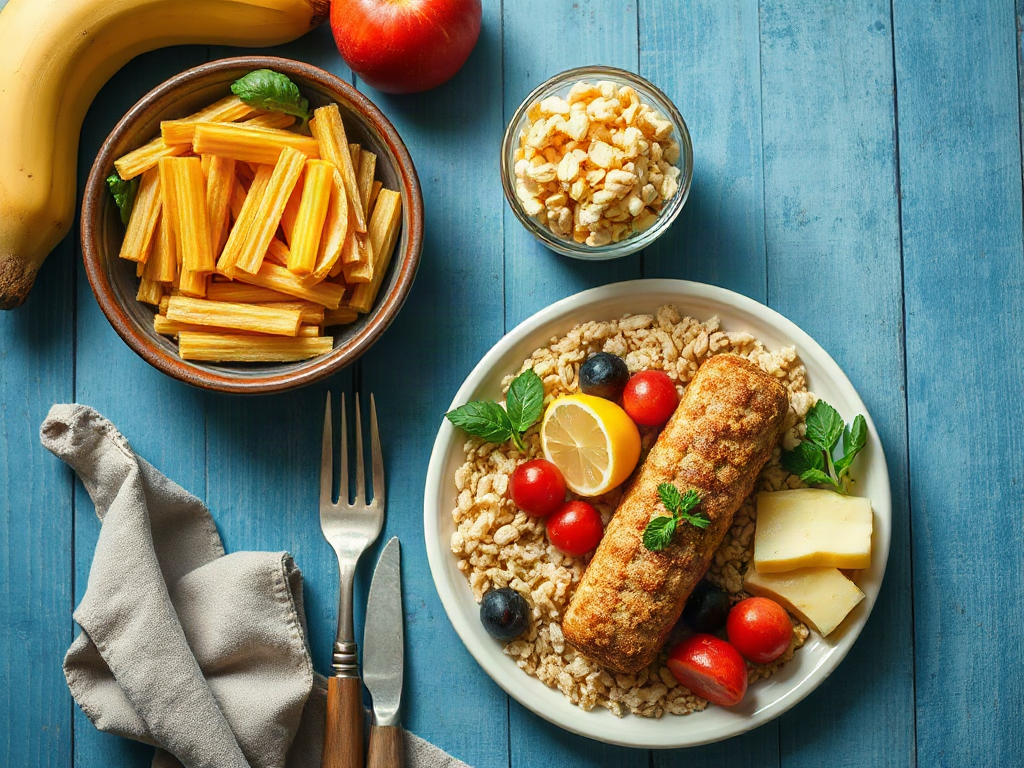
Low-FODMAP foods for SIBO meal planning are best used in a structured, temporary menu built around tolerated proteins, grains, vegetables, fruits, and lactose-free dairy or alternatives. Portion size matters because several low-FODMAP ingredients eaten together can create a higher fermentable-carbohydrate load. Begin with simple meals such as eggs with potatoes and spinach, chicken with rice and carrots, or firm tofu with quinoa and zucchini. Record portions and symptoms, then reintroduce FODMAP groups systematically rather than maintaining broad restrictions indefinitely. Because a low-FODMAP diet does not treat the underlying cause of SIBO, coordinate persistent symptoms, testing, and treatment with a qualified clinician.
What Low-FODMAP Eating Can and Cannot Do for SIBO
A low-FODMAP approach reduces selected short-chain carbohydrates that may be poorly absorbed and rapidly fermented in the digestive tract. FODMAP stands for fermentable oligosaccharides, disaccharides, monosaccharides, and polyols. For someone with small intestinal bacterial overgrowth, reducing these carbohydrates may lessen meal-related gas, distension, discomfort, or altered bowel habits. Response varies, however, and symptom improvement does not confirm that SIBO is present.
The diet and the medical condition should not be treated as interchangeable. SIBO involves an abnormal number or type of microorganisms in the small intestine and may be associated with motility disorders, altered anatomy, certain medications, or another underlying condition. A food restriction plan may change the amount of fermentable substrate reaching those organisms, but it does not correct those drivers. Breath testing, diagnosis, and treatment decisions belong with an appropriately qualified healthcare professional.
The most defensible use of the diet is a short, organized trial followed by reintroduction. Remaining in a highly restrictive phase without a clear endpoint can reduce dietary variety and make adequate fiber, calcium, and energy intake harder. It may also obscure which FODMAP categories actually matter. A person who reacts to large servings of wheat fructans, for example, should not assume that lactose, excess fructose, and every polyol must also be avoided.
Track what occurs after ordinary portions rather than judging foods from isolated bad days. Symptoms can be affected by constipation, meal size, fat load, caffeine, menstrual changes, stress, or treatment timing. If a rice-and-chicken dinner is comfortable but the same dinner causes pressure after adding a large fruit plate and a sweetened drink, the total meal deserves attention before rice or chicken is blamed.
The practical priority is to preserve nutritional adequacy while reducing only the fermentable carbohydrates most likely to be contributing. Anyone losing weight unintentionally, struggling to eat enough, experiencing anemia or nutrient deficiencies, or managing pregnancy, diabetes, kidney disease, an eating disorder, or another medically prescribed diet should seek individualized guidance before restricting further.
Building a Useful Low-FODMAP Food List
A workable food list begins with naturally low-FODMAP foundations, not a collection of specialty products. Plain eggs, fish, poultry, meat, and firm tofu contain little or no carbohydrate, although marinades and prepared versions may include garlic, onion, wheat, honey, or high-FODMAP sweeteners. Rice, oats, quinoa, potatoes, and corn tortillas can provide practical starch choices when serving sizes and added ingredients fit the individual plan.
Vegetable variety remains possible. Carrots, bell peppers, cucumbers, eggplant, green beans, lettuce, spinach, tomatoes, and zucchini commonly appear in low-FODMAP menus at suitable portions. Fruit options may include firm bananas, blueberries, grapes, kiwi, oranges, pineapple, and strawberries. Exact thresholds can change as food composition data are updated, so a current evidence-based food database is more reliable than an undated internet chart.
For dairy, lactose is the relevant FODMAP rather than dairy protein or fat. Lactose-free milk and yogurt may work, as may certain cheeses that naturally contain little lactose. People who avoid dairy can consider an unsweetened, calcium-fortified alternative after checking for ingredients such as inulin, chicory root, or concentrated fruit sweeteners. Gluten-free labeling alone is not enough: gluten is a protein, whereas the low-FODMAP issue in wheat is primarily its fructan content.
Flavor often becomes the first operational problem because garlic and onion are common sources of fructans. Garlic-infused oil can supply flavor because fructans do not dissolve into oil in the same way they dissolve into water. The oil should not contain pieces of garlic, and safe food-storage practices still apply. Chives, scallion greens, ginger, citrus zest, fresh herbs, mustard, and suitable spices can keep meals appealing without relying on large quantities of onion or garlic.
A compact shopping priority list is more useful than trying to memorize every permitted item:
- Protein: eggs, plain chicken, fish, lean meat, tempeh, or firm tofu.
- Starch: rice, oats, quinoa, potatoes, or corn tortillas.
- Produce: two or three tolerated vegetables and one portion-appropriate fruit.
- Calcium source: lactose-free dairy or a fortified alternative.
- Flavor: infused oil, herbs, ginger, citrus, and scallion greens.
This foundation makes Low-FODMAP foods for SIBO meal planning easier to execute while preserving whole-food variety. The common mistake is buying only products labeled “free from” while overlooking additives, portion limits, protein, and micronutrient balance.
Portions, Stacking, and Symptom Patterns
FODMAP tolerance is dose-dependent, so a food is not simply safe or unsafe in every quantity. A modest serving may fit a low-FODMAP meal while a much larger serving supplies enough fermentable carbohydrate to trigger symptoms. Portion guidance should therefore be treated as part of the food choice, especially for fruit, grains, legumes, nuts, and vegetables with serving-dependent ratings.
Stacking occurs when several individually acceptable servings contribute the same FODMAP category within one meal. A breakfast might contain an appropriate portion of oats, fruit, seeds, and dairy substitute, yet become difficult to tolerate if each component is pushed toward its upper limit or contains added inulin. The problem is not necessarily a single ingredient. It may be the combined fermentable load, total fiber, or sheer meal volume.
Spacing meals can make patterns easier to interpret, but rigid timing rules should not be presented as universal SIBO treatment. Some clinicians use meal spacing in the context of intestinal motility, while individual needs differ because of medications, blood-sugar management, activity, appetite, or weight-restoration goals. A practical comparison is more useful: three distinct meals may produce clearer symptom data than continuous grazing, but someone unable to meet energy needs may require planned snacks.
Use a simple record containing the food, estimated portion, meal time, symptoms, bowel pattern, and relevant context. Rate abdominal pressure, pain, nausea, and stool changes separately rather than recording only “good” or “bad.” Note whether symptoms appear immediately, later that day, or the next morning. Immediate discomfort may reflect meal volume or a strong gastrocolic response rather than fermentation from the most recently swallowed ingredient.
Signs that the method is working include a repeatable reduction in troublesome symptoms, enough food to maintain weight and energy, and a menu broad enough to sustain briefly. Signs of failure include expanding restrictions despite inconsistent reactions, fear around eating, worsening constipation, fatigue, or no meaningful change after a well-executed trial. At that point, removing more foods is usually a weaker next step than reviewing the diagnosis, portions, bowel regularity, and overall treatment plan.
Ingredient labels deserve special attention. Inulin, chicory root fiber, fructooligosaccharides, sugar alcohols, garlic powder, onion powder, and certain fruit concentrates can turn a seemingly suitable bar, broth, sauce, or protein product into a concentrated FODMAP source. Whole-food meals often make troubleshooting easier because fewer hidden variables are present.
A 3-Day Meal Plan and Preparation Method
A short menu should repeat versatile ingredients without producing three nutritionally identical days. The following example is a planning model, not a prescription; portions need to match appetite, nutritional requirements, current FODMAP data, and personal tolerance. Season savory meals with garlic-infused oil, herbs, ginger, lemon, or scallion greens rather than standard onion-heavy sauces.
Day 1
Breakfast can pair oatmeal with lactose-free milk, blueberries, and a small portion of walnuts. For lunch, combine grilled chicken, quinoa, cucumber, tomato, spinach, and lemon-infused dressing. Dinner could be baked salmon with roasted potatoes, carrots, and green beans. If a snack is needed, choose lactose-free yogurt with strawberries or rice cakes with a tolerated peanut butter portion.

Day 2
Prepare scrambled eggs with spinach and potatoes for breakfast, adding an orange on the side if tolerated. Lunch can use leftover salmon over rice with cucumber and carrots. At dinner, sauté firm tofu with zucchini, bell pepper, ginger, and a suitable tamari, then serve it over quinoa. Check sauces carefully because garlic and onion commonly appear even when the front label emphasizes gluten-free ingredients.
Day 3
Use lactose-free yogurt with oats, kiwi, and pumpkin seeds for breakfast. A corn-tortilla lunch might include plain turkey or chicken, lettuce, tomato, and a homemade herb dressing. Dinner can feature a lean beef patty or tempeh with mashed potatoes, sautéed eggplant, and spinach. Grapes with an appropriate cheese portion offer a simple snack where dairy is tolerated.
Preparation works best when neutral components are cooked separately. Make one grain, roast two vegetables, prepare two proteins, and mix a FODMAP-conscious dressing. Separate storage lets one ingredient be exchanged without discarding an entire casserole. It also accommodates household members who want onion, garlic, or a different sauce added to their own serving.
Begin with familiar portions rather than assembling every permitted food into one plate. If lunch causes symptoms, simplify the next version by keeping the protein and rice while reducing the number and quantity of sides. This controlled adjustment provides better information than switching the entire menu. A detailed Low-FODMAP foods for SIBO meal planning record should identify meals that are both comfortable and realistically repeatable, not merely technically compliant.
Reintroduction and Signs the Plan Needs Adjustment
Reintroduction turns a temporary elimination phase into an individualized eating pattern. Once symptoms are reasonably stable, one FODMAP category is typically challenged at a time while the rest of the menu stays consistent. Using a food that primarily represents the target category makes the result easier to interpret than testing a complex restaurant dish containing fructans, lactose, excess fructose, and polyols together.
A structured challenge commonly uses progressively larger portions across separate test days, followed by a settling period when needed. The exact protocol should come from a dietitian or validated low-FODMAP resource, particularly when symptoms are severe or baseline intake is limited. Record the amount and response rather than labeling an entire category intolerable after one unusually large serving.
Challenge results have practical value beyond “pass” or “fail.” Someone may tolerate a small wheat serving but not a large one, or tolerate lactose in hard cheese while reacting to ordinary milk. That information can restore bread choices, restaurant flexibility, calcium sources, and prebiotic carbohydrates. Reintroducing tolerated foods also prevents the restrictive phase from becoming a permanent default without justification.
SIBO treatment can change tolerance over time, so an earlier reaction need not become a lifelong rule. Conversely, persistent symptoms despite strict adherence should trigger reassessment rather than a narrower diet. Constipation, bile acid disorders, celiac disease, pancreatic problems, pelvic-floor dysfunction, or disorders of gut-brain interaction can overlap with symptoms attributed to SIBO. Only a clinician can evaluate those possibilities appropriately.
Seek prompt medical care for blood in stool, black stool, persistent vomiting, severe or escalating pain, fever, dehydration, fainting, or unexplained weight loss. Routine follow-up is warranted when eating becomes progressively limited, symptoms interfere with sleep or daily function, or nutritional deficiencies are suspected. The strongest endpoint for Low-FODMAP foods for SIBO meal planning is the least restrictive varied diet that controls symptoms adequately while the underlying medical issue receives appropriate care.
Frequently Asked Questions
Does a low-FODMAP diet cure SIBO?
No. It may reduce fermentation-related symptoms for some people, but it does not address every underlying cause of bacterial overgrowth or replace clinical evaluation and treatment.
Can I eat fruit while following a low-FODMAP plan for SIBO?
Yes. Portion-appropriate options may include kiwi, oranges, grapes, strawberries, blueberries, pineapple, and firm bananas. Avoid combining several large fruit servings in one sitting.
Are gluten-free foods automatically low in FODMAPs?
No. Gluten-free products may contain inulin, chicory fiber, honey, fruit concentrates, legumes, or polyols. Check the complete ingredient list and serving size.
How long should the restrictive phase last?
It should be temporary and followed by structured challenges once symptoms stabilize. A registered dietitian can set an appropriate timeline based on nutritional status, symptom response, and treatment.
Why do I react to a food listed as low-FODMAP?
The portion may be too large, several FODMAP sources may be stacked, or another feature such as fat, spice, fiber, caffeine, or meal volume may be contributing.
Further Reading
Authoritative Sources
- Monash University FODMAP Program
monashfodmap.comMonash University provides research-based food testing, serving guidance, and practical information on elimination and reintroduction
- American College of Gastroenterology: Small Intestinal Bacterial Overgrowth
gi.orgThis clinical resource explains SIBO symptoms, risk factors, diagnosis, and treatment considerations beyond dietary management
- NIDDK Digestive Diseases Information
niddk.nih.govThe institute offers medically reviewed background on digestive symptoms and conditions that may require professional evaluation
Conclusion
Effective planning depends more on portions, ingredient transparency, and controlled testing than on creating a permanent list of forbidden foods. Build meals from plain protein, a tolerated starch, modest produce servings, and simple flavorings; then watch the combined fermentable load rather than judging ingredients in isolation. Keep enough variety to protect energy, fiber, calcium, and overall nutrient intake.
Use a brief food-and-symptom record to identify repeatable patterns, and reintroduce FODMAP categories methodically after the initial trial. If restrictions keep expanding, nutritional intake declines, or symptoms remain unchanged, pause before eliminating more foods. A clinician can reassess the SIBO diagnosis and treatment, while a dietitian familiar with gastrointestinal conditions can help restore the broadest diet that remains comfortable.
Related Content
- How To Recognize Sustainable Superfood Options: A Label And Sourcing Checklist
- Why Some Superfoods May Not Be Suitable for Seniors: Nutritional Challenges and Dietary Considerations
- Steps to Take If Your Body Reacts Negatively to Whole Foods: Symptoms, Causes, and a Safe Reset
- Best Whole Food Superfoods for Sustained Daily Energy: Top Foods to Boost Your Vitality
- What To Do If Superfoods Disrupt Your Regular Diet: Effective Strategies and Food Adjustments