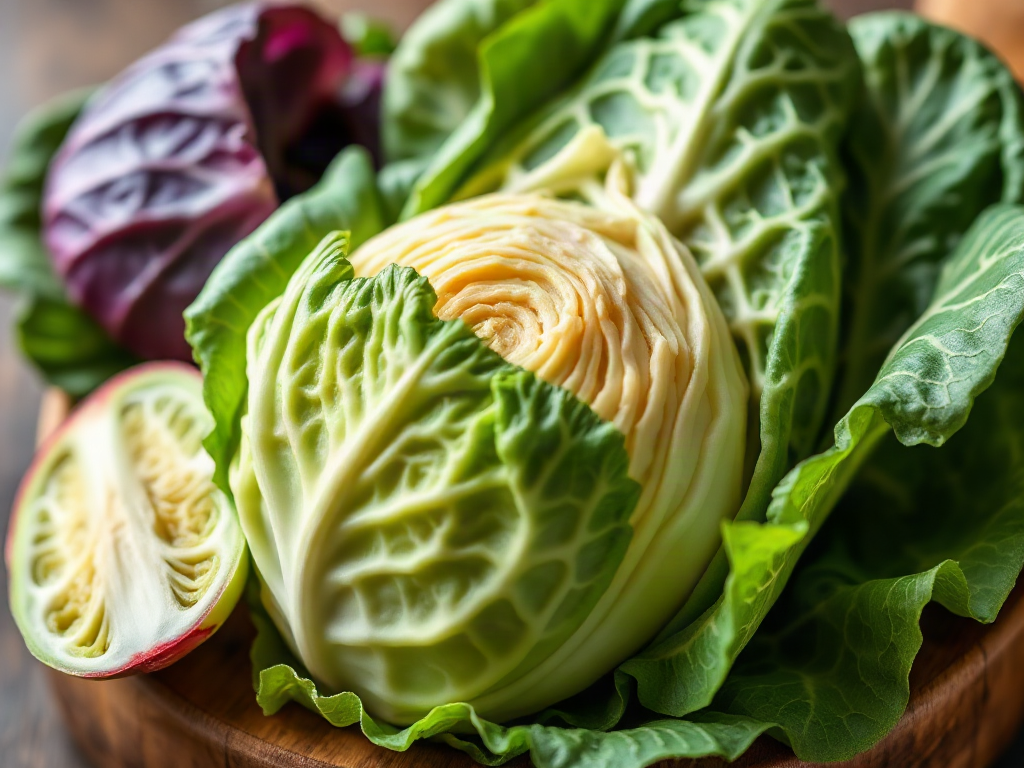
Napa cabbage nutrition and key micronutrients center on vitamin C, vitamin K, folate, potassium, and carotenoid compounds, with fiber and water adding volume for relatively few calories. Its delicate leaves work well raw, while quick steaming or stir-frying softens the texture without the prolonged cooking that can reduce some heat-sensitive vitamin C. Pairing napa cabbage with beans, eggs, tofu, fish, or lean meat makes a more complete meal because the vegetable itself contributes little protein. Wash the leaves carefully, use the pale ribs as well as the green portions, and avoid treating napa cabbage as a concentrated supplement: nutrient levels vary with serving size, freshness, and cooking method.
Napa Cabbage Nutrition at a Glance
Napa cabbage is a mild, water-rich brassica with crisp ribs and tender green leaves. Compared with dense vegetables such as potatoes or winter squash, it contributes fewer carbohydrates and less energy per typical serving, while still adding volume, texture, and several vitamins. That makes it useful in soups, slaws, wraps, dumpling fillings, and stir-fries where a person wants a substantial vegetable component without relying on a large amount of oil or sauce.
The nutrition story changes with the portion and the preparation. A cup of shredded raw cabbage is not nutritionally equivalent to a large cooked bowl: heat drives off water and shrinks the leaves, so cooked portions may contain more cabbage by weight even when the plate looks modest. Nutrition databases such as USDA FoodData Central are useful for comparing forms, but database entries are averages rather than a guarantee for every head. Variety, storage time, growing conditions, and trimming all affect the final amount of each nutrient.
Fiber is present but not exceptionally concentrated, so napa cabbage should not be treated as a stand-alone high-fiber food. Its practical value comes from combining modest fiber with water and low energy density. For example, shredded napa cabbage can replace part of a creamy slaw or a noodle-heavy stir-fry, then be combined with edamame, chicken, or tofu to supply protein. That substitution changes the meal’s balance more than simply adding a garnish.
A common mistake is judging its value by color alone. The greener outer leaves generally offer more pigment-related compounds than the pale interior, but the ribs still provide crunch and hydration. Discarding the entire core wastes edible material. A better approach is to remove damaged leaves, slice the ribs thinly, and use the leaves and ribs in different stages of cooking.
The Micronutrients That Matter Most
Vitamin C, vitamin K, folate, and potassium are the most useful micronutrients to consider when assessing napa cabbage. Vitamin C contributes to normal collagen formation and antioxidant protection, while vitamin K is involved in normal blood-clotting processes and bone-related biology. Folate supports cell division and red-blood-cell formation, and potassium contributes to fluid balance and normal nerve and muscle function. These roles describe nutrients, not medical treatments or guarantees of a particular health outcome.
Napa cabbage also contains carotenoid pigments and other plant compounds found across the brassica family. The amount is typically influenced by which leaves are eaten: deeper green leaves tend to contain more pigment than pale inner leaves. Carotenoids are not interchangeable with vitamin A in every food or serving, so it is better to describe them as part of the vegetable’s plant-compound profile rather than promise a specific vitamin effect.
Vitamin C is especially sensitive to prolonged heat and cooking water. A long boil can move water-soluble compounds into the cooking liquid, while extended exposure to heat can reduce some vitamin C. Quick steaming, brief stir-frying, or adding cabbage near the end of a soup usually preserves more of its fresh character than simmering it for a long period. If the broth is eaten, some dissolved nutrients remain part of the meal, although the amount still cannot be assumed.
Vitamin K deserves a practical safety note. People taking warfarin or another medication affected by vitamin K should not make abrupt, large changes to their intake without discussing consistency with a qualified clinician. That does not make napa cabbage an unsafe food for everyone; it means medication-related nutrition decisions require individual guidance. Another weak assumption is that one serving supplies all the day’s micronutrient needs. Napa cabbage works best alongside fruit, legumes, dairy or fortified alternatives, whole grains, nuts, seeds, and other vegetables.
Raw, Cooked, and Fermented Preparation
Raw napa cabbage offers crisp texture and a fresh flavor that suit salads, wraps, and slaws. Chopping or shredding increases the surface area, so dressings, salt, and acidic ingredients can soften it quickly. For a salad intended to last several hours, keep the dressing separate or add it shortly before serving. This preserves crunch and prevents a watery bowl as salt draws moisture from the leaves.
Quick cooking is often the best compromise between texture and nutrient retention. Slice the ribs more thinly than the leaves, heat a pan, and cook the ribs first; add the leaves later because they wilt rapidly. A small amount of oil can carry flavor and prevent sticking, but heavy sauces may add more sodium or sugar than the cabbage itself. Steaming is a useful alternative when a lower-oil preparation is preferred. The sign that the method is working is tender ribs with leaves that remain bright and not collapsed into excess liquid.
Long boiling is not automatically wrong, particularly when napa cabbage is part of a soup whose liquid will be consumed. It is less suitable when the goal is a crisp side dish or maximum retention of heat-sensitive compounds. Fermented preparations such as kimchi introduce a different tradeoff: fermentation changes flavor and texture, but the finished product may contain substantial sodium depending on the recipe. Fermented cabbage should complement meals rather than serve as the only vegetable or a reason to ignore salt intake.
Food safety begins before cooking. Remove visibly damaged outer leaves, separate the leaves, and rinse them under cool running water; washing does not make spoiled produce safe, so discard cabbage with an unusual odor, sliminess, or extensive decay. Keep cut cabbage chilled and use clean utensils. A frequent preparation error is soaking shredded cabbage for a long time, which can make the leaves waterlogged and unnecessarily expose water-soluble nutrients to the discarded water.
Building a More Nutritious Plate
Napa cabbage is most useful as the vegetable foundation of a meal, not as its sole nutritional centerpiece. It supplies volume and selected micronutrients, but it is relatively limited in protein and does not replace a concentrated source of iron, calcium, or essential fats. Pairing determines whether a cabbage dish functions as a side or a complete meal. Tofu and edamame suit a plant-based bowl; eggs add protein and fat; fish or chicken work in a quick skillet; beans can turn a slaw into a filling lunch.
A practical plate can start with two textures: raw shredded cabbage for crunch and briefly cooked cabbage for warmth. Add a protein source, a whole-grain or starchy component if desired, and ingredients with complementary nutrients, such as bell pepper, citrus, mushrooms, carrots, sesame, or yogurt. Citrus and bell pepper bring additional vitamin C, while seeds and nuts add energy, fats, and minerals that cabbage does not provide in large amounts. The point is not to engineer perfect absorption at every meal; it is to avoid building a plate around one vegetable’s narrow nutrient profile.
Budget and convenience also affect the best choice. A whole head may cost less per serving but requires storage space and cutting. Pre-shredded cabbage saves time but can dry out sooner and should be checked for freshness. For meal preparation, store washed leaves thoroughly dried and keep delicate dressing separate. Use the ribs in a first-day stir-fry and the softer leaves in soup or wraps later, reducing waste without forcing every serving into the same recipe.
Prioritize the following when deciding how to use it:
- For crunch: choose raw leaves and dress close to serving time.
- For speed: stir-fry sliced ribs first, then add leaves for the final minutes.
- For a complete meal: add tofu, beans, eggs, fish, poultry, or another dependable protein.
- For sodium control: favor garlic, ginger, vinegar, citrus, and herbs over relying on salty sauces or heavily salted ferments.
The common failure mode is calling a cabbage-heavy bowl “balanced” while omitting protein and an energy source. A large volume of vegetables may feel filling briefly but leave the meal nutritionally incomplete for some people. Conversely, adding a rich sauce can turn a light vegetable dish into a high-sodium or high-energy meal. Check the whole plate, not just the vegetable’s nutrient label, and use Napa cabbage nutrition and key micronutrients as one part of broader whole-food meal planning.
For nutrient values, compare preparation-specific entries in USDA FoodData Central. For medication-related vitamin K questions, use guidance from a pharmacist or clinician rather than changing intake based on a general food article. University extension produce-safety resources can also help with washing, chilling, and storage practices.
Frequently Asked Questions
Is napa cabbage a good source of vitamin C?
Yes, it contributes vitamin C, especially when eaten raw or quickly cooked. The exact amount varies with portion size, freshness, storage, and heat exposure.
Does cooking reduce napa cabbage nutrition?
Prolonged boiling can reduce or move some water-soluble nutrients into cooking water. Brief steaming or stir-frying generally preserves more texture and may retain more vitamin C.
Is napa cabbage high in vitamin K?
Napa cabbage supplies vitamin K, although its amount differs by serving and by which leaves are used. Anyone taking warfarin should keep intake consistent and seek individualized medical advice.
Can napa cabbage support a weight-conscious meal?
Its water and fiber content can add volume with relatively little energy, but the overall meal still depends on portions, cooking oil, sauces, and accompanying foods.
What foods pair well with napa cabbage?
Tofu, edamame, beans, eggs, fish, poultry, whole grains, mushrooms, carrots, peppers, citrus, and sesame provide protein, energy, flavor, or additional nutrients.
Conclusion
Napa cabbage earns a regular place in a whole-food pattern because it combines hydration, modest fiber, vitamin C, vitamin K, folate, potassium, and brassica plant compounds with a flexible texture. The strongest practical choice is to use both the ribs and leaves, cook them briefly when heat is preferred, and reserve long simmering for dishes where the liquid is eaten. Pairing the cabbage with protein and a satisfying carbohydrate or fat source matters more than chasing a perfect preparation. Raw slaw, a quick tofu stir-fry, and a soup with beans each use the vegetable differently while preserving its role as part of a varied diet. Treat fermented versions as flavorful, potentially salty additions, and seek professional advice before making major dietary changes related to medication.