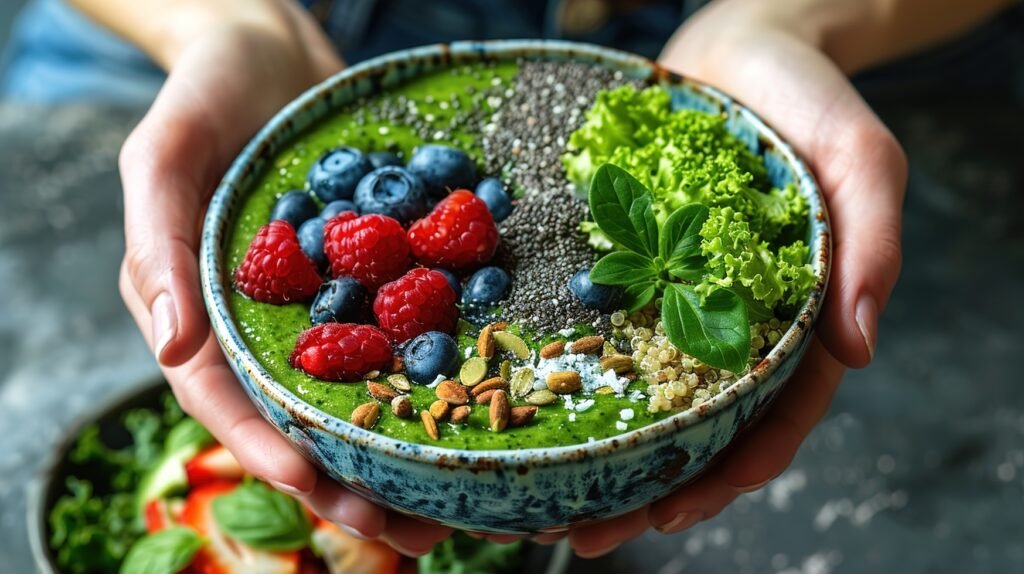
Relying only on superfoods can pose significant risks, primarily due to the potential for nutritional deficiencies. While superfoods are often touted for their health benefits, they typically do not provide a complete range of nutrients necessary for optimal health.
One of the primary concerns is that individuals may assume superfoods can replace a well-rounded diet. This misconception can lead to over-reliance on a limited variety of foods, which may result in insufficient intake of vital nutrients such as protein, fiber, and healthy fats. For example, while kale is a nutrient-dense superfood, it cannot fulfill all dietary needs on its own. A balanced approach, incorporating a variety of fruits, vegetables, grains, and proteins, is crucial to prevent deficiencies.
Moreover, focusing exclusively on superfoods can create a false sense of security regarding health. People may ignore traditional, nutrient-rich foods in favor of trendy superfoods, mistakenly believing that these foods alone can prevent disease or promote optimal health. This can lead to dangerous dietary patterns, where individuals may experience adverse health effects due to an unbalanced intake.
Understanding Superfoods
Superfoods are typically defined as nutrient-rich foods considered to be especially beneficial for health and well-being. Examples include berries, nuts, seeds, and leafy greens. However, the term is often used in marketing, leading to confusion about what constitutes a superfood. It’s essential to recognize that while these foods can offer health benefits, they should not be viewed as miracle solutions.
The appeal of superfoods lies in their high concentrations of vitamins, minerals, and antioxidants. However, their benefits often diminish when consumed in isolation. A varied diet ensures a broader spectrum of nutrients, which is vital for maintaining health. Ignoring this principle can lead to dietary gaps that may have long-term health implications.
Additionally, the concept of superfoods can lead to a mindset where individuals feel compelled to consume these foods excessively. This can create a cycle of dietary extremes, where moderation is overlooked, and health becomes a source of anxiety rather than a pursuit of balance.
Nutritional Deficiencies from Over-Reliance
One of the significant risks of a diet centered on superfoods is the potential for nutritional deficiencies. For instance, while foods like chia seeds are rich in omega-3 fatty acids, they do not provide sufficient protein or other essential nutrients. If individuals prioritize superfoods without considering their overall dietary needs, they may miss out on critical nutrients such as calcium, iron, and vitamin B12.
Deficiencies can manifest in various ways, including fatigue, weakened immune function, and digestive issues. For example, a lack of dietary fiber, commonly found in whole grains and legumes, can lead to gastrointestinal problems. Therefore, it’s crucial to incorporate a diverse range of foods into one’s diet to cover all nutritional bases.
To mitigate the risk of deficiencies, individuals should aim for a balanced plate that includes a variety of food groups. This approach not only supports better health outcomes but also fosters a more enjoyable and sustainable dietary pattern.
Common Misconceptions about Superfoods
Many misconceptions surround the concept of superfoods, leading to misguided dietary choices. One common belief is that consuming superfoods alone can drastically improve health or prevent diseases. This notion can lead to neglecting other healthy foods and lifestyle factors that also play crucial roles in overall well-being.
Another misconception is that all superfoods are equally beneficial. In reality, the nutritional value of these foods can vary widely. For example, while acai berries are often marketed for their antioxidant properties, they may not be as nutrient-dense as other fruits like oranges or apples. Understanding the specific benefits and limitations of each superfood is essential to making informed dietary choices.
Moreover, the marketing of superfoods can create an elitist view of nutrition, where only expensive or trendy items are deemed worthy. This can alienate individuals who may not have access to such foods, leading to feelings of inadequacy regarding their dietary choices. It’s important to recognize that many traditional foods can provide similar health benefits.

Best Practices for Including Superfoods
To effectively include superfoods in your diet without falling into the traps of over-reliance, it’s vital to adopt a balanced approach. First, prioritize a diverse diet that includes a wide range of whole foods. This means incorporating various fruits, vegetables, whole grains, lean proteins, and healthy fats alongside superfoods.
Next, focus on moderation. Superfoods should complement a healthy eating pattern rather than dominate it. For instance, adding a handful of berries to your breakfast or including a small serving of nuts as a snack can enhance nutrient intake without compromising dietary balance.
Lastly, stay informed about the nutritional profiles of different foods. Understanding what each food offers can help you make better choices and avoid falling for marketing gimmicks. Aim to learn about both superfoods and traditional foods to create a comprehensive nutrition plan that supports your health.
Further Reading
Authoritative Sources
- Superfoods: A Review of Nutritional Benefits
ncbi.nlm.nih.govThis article provides a comprehensive overview of various superfoods and their nutritional benefits, helping readers understand their role in a balanced diet
- What Are Superfoods?
healthline.comHealthline offers insights into the definition and benefits of superfoods, along with tips on how to incorporate them into a healthy diet
- Superfoods or Super Hype?
eatright.orgThis resource critiques the superfood trend and emphasizes the importance of a varied diet for optimal health
Frequently Asked Questions
Can I rely solely on superfoods for my nutrition?
No, relying solely on superfoods can lead to nutritional deficiencies as they do not provide all essential nutrients necessary for health.
What are the main risks of consuming only superfoods?
The main risks include potential deficiencies in vitamins, minerals, and macronutrients, as well as misconceptions about health benefits.
How can I include superfoods in my diet safely?
Incorporate superfoods as part of a balanced diet that includes a variety of foods from all food groups to ensure complete nutrition.
Are all superfoods equally beneficial?
No, the nutritional value of superfoods varies, and some traditional foods may offer similar or greater health benefits.
What should I prioritize in my diet?
Focus on a diverse range of whole foods, including fruits, vegetables, whole grains, and proteins, rather than solely on superfoods.